product-brake-disc-drum-skimming-lathe-machine-c9370c, product-brake-disc-drum-skimming-lathe-machine-c9370c, /auto-maintenance-repair463
EN
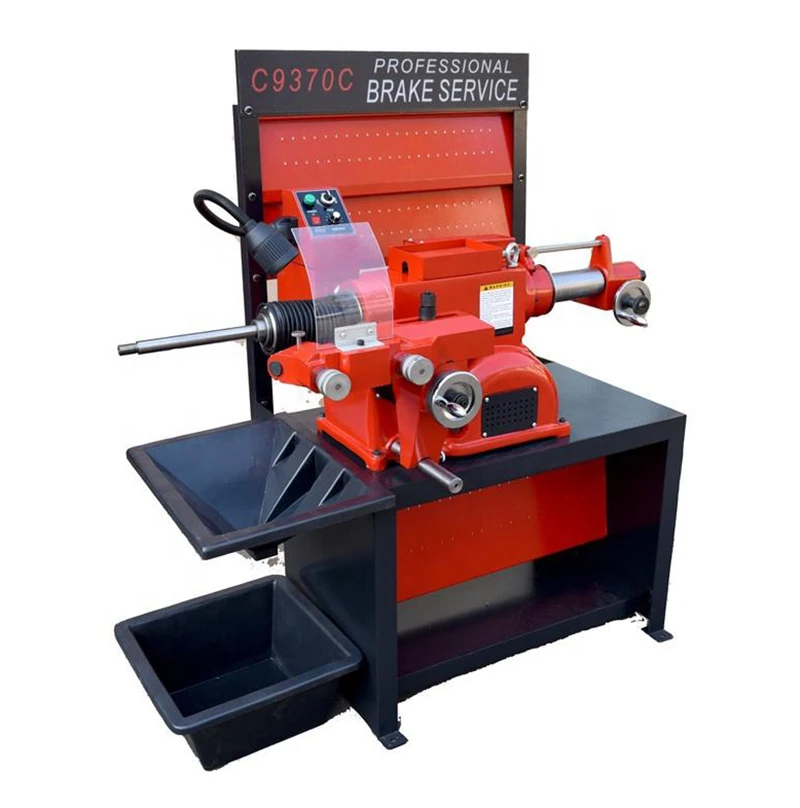
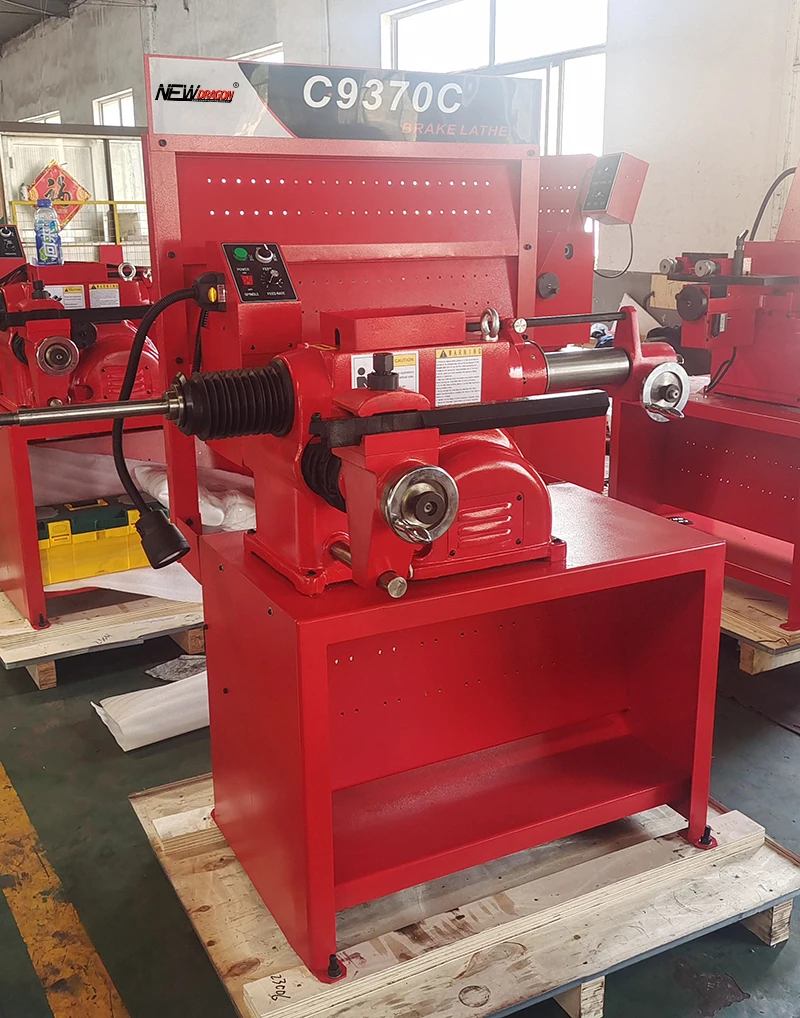
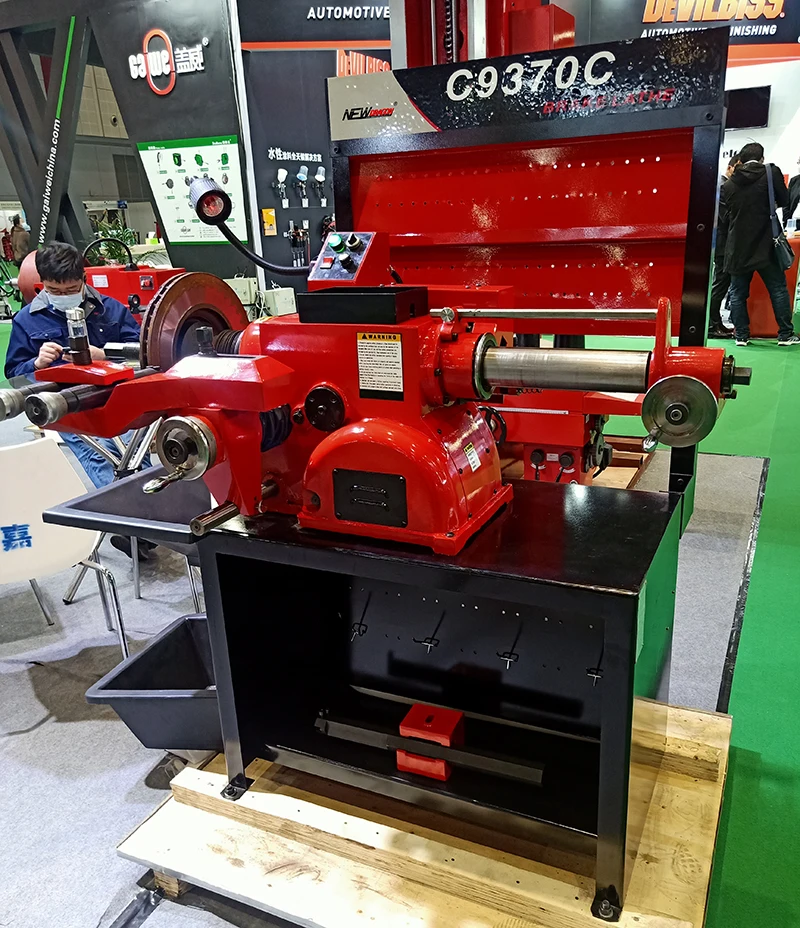
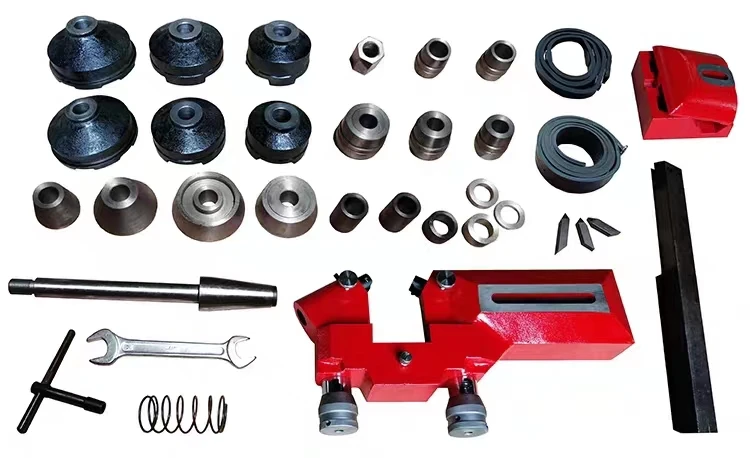
The Brake Disc Drum Skimming Lathe Machine C9370C is a workshop machine for resurfacing brake discs and brake drums. The supplied product material identifies the C9370C as a brake lathe with model-specific working ranges. Confirm component size, workholding requirements, electrical supply, accessories, and local procedures with the supplier before purchase or installation.

For a service bay handling disc and drum work, the Brake Disc Drum Skimming Lathe Machine C9370C provides one clearly identified platform rather than a vague generic listing. The product information names C9370C and lists a 0.75 kW motor, three spindle speeds of 70, 88, and 118 rpm, and overall dimensions of 1120 × 920 × 1350 mm. Listed machine weight is 340 kg. These values are presented here as source specifications, not as a promise of outcome on every vehicle or brake component.
The Brake Disc Drum Skimming Lathe Machine C9370C supports a stated brake-disc diameter range of 178–457 mm and a brake-drum diameter range of 152–711 mm. The listed disc thickness is 48 mm, and the listed drum depth is 220 mm. Cross feeding capacity and spindle feeding capacity are each listed as 0–0.4 mm/r. Use these figures as an initial fitment screen; actual setup should still be checked against the part, fixture, tooling condition, and the workshop's approved resurfacing practice.
| Item | C9370C value |
|---|---|
| Brake disc diameter | 178–457 mm |
| Brake disc thickness | 48 mm |
| Brake drum diameter | 152–711 mm |
| Brake drum depth | 220 mm |
| Spindle speed | 70 / 88 / 118 rpm |
| Cross feeding capacity | 0–0.4 mm/r |
| Spindle feeding capacity | 0–0.4 mm/r |
| Motor power | 0.75 kW |
| Overall dimensions | 1120 × 920 × 1350 mm |
| Weight | 340 kg |

A Brake Disc Drum Skimming Lathe Machine C9370C should not be selected on speed figures alone. In brake-service work, workholding, tool condition, inspection criteria, and operator method affect the result. A higher speed is not automatically a better choice for every component. It is more useful to compare the verified capacity range with the brake parts you routinely receive and then request confirmation of the intended configuration.

The Brake Disc Drum Skimming Lathe Machine C9370C is relevant to automotive brake-service workshops that need to evaluate brake discs or drums within the stated size ranges. It may also be considered where a workshop is organising a dedicated brake-service area and needs a machine with published dimensions, motor power, and basic feed data. For either scenario, confirm the exact vehicle applications and required fixtures before ordering; the product material does not provide a vehicle compatibility list.
In a second scenario, an equipment distributor can use the Brake Disc Drum Skimming Lathe Machine C9370C specification table as a starting point for technical discussion with a customer. The practical question is not simply whether a brake lathe is needed, but whether the customer's parts fall within the published diameter, thickness, and depth limits. Ask for representative part dimensions and the intended operating environment before finalising a quotation.
For workshop planning, review available floor space, moving equipment, power arrangements, operator training, and inspection workflow. Confirm the standard and optional accessory scope with the supplier, because the original material does not provide a complete text list.

Start with the component, not with a broad catalogue label. Measure the brake disc or drum and compare it with the published C9370C range. Then verify the required mounting method, cutting tools, safety guards, power supply, and delivery configuration. This sequence helps avoid assuming that a paper specification alone establishes a complete fit.
The Brake Disc Drum Skimming Lathe Machine C9370C description intentionally keeps performance claims bounded. It does not claim certification, vehicle approval, automatic operation, included tooling, precision tolerance, delivery time, or a particular finish quality because those details are not confirmed in the supplied product record. Buyers who require those items should obtain written confirmation for the exact order configuration.
For operators, a careful setup routine matters. Inspect the component according to the workshop's process, secure it with suitable fixtures, select settings within the machine's published capability, and follow applicable safety procedures. If a component lies outside the stated range or its condition is uncertain, do not treat this page as an operational instruction; seek the appropriate technical assessment instead.
The differentiating value of this Brake Disc Drum Skimming Lathe Machine C9370C listing is the availability of model-specific source data rather than unverified superlatives. It identifies C9370C, separates disc and drum capacities, names three spindle speeds, and provides dimensional and weight information. This makes it easier to have a focused technical conversation about workshop fitment.
The page also preserves an important boundary: accessories may be standard or optional, and their exact scope should be confirmed. Rather than assuming every pictured item is included, request a current accessory list and a configuration confirmation. That approach is particularly useful for distributors, workshops, and overseas buyers coordinating installation or service support.

When enquiring about the Brake Disc Drum Skimming Lathe Machine C9370C, share the brake-disc and brake-drum dimensions you need to process, your preferred power specification, installation location, and any required accessories. A complete enquiry allows the supplier to confirm whether C9370C is appropriate for the intended job and to clarify the standard versus optional scope. This is a more reliable route than relying on model name alone.
The Brake Disc Drum Skimming Lathe Machine C9370C is best considered as a documented brake-service machine with stated C9370C capacity data. Review the table, compare it with your actual parts, and confirm the final configuration before procurement. That practical, specification-led process keeps the decision aligned with the material supplied for this product. For a technical buyer, the useful next step is a documented fitment check, not an unsupported claim about performance.



 EN