product-high-precision-gear-lathe-cq6230--manual-metal-lathe-machine, product-high-precision-gear-lathe-cq6230--manual-metal-lathe-machine, /bench-lathe
EN
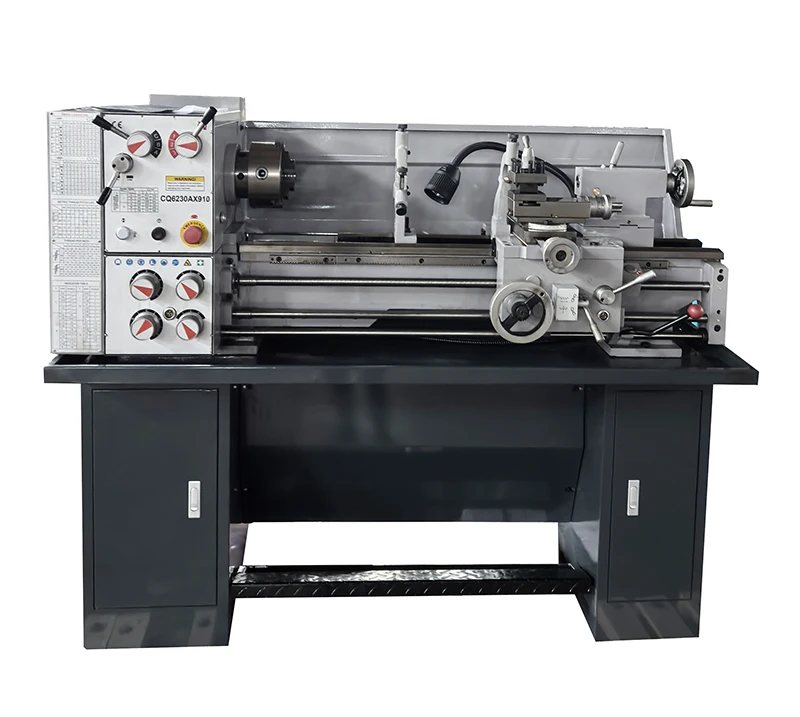
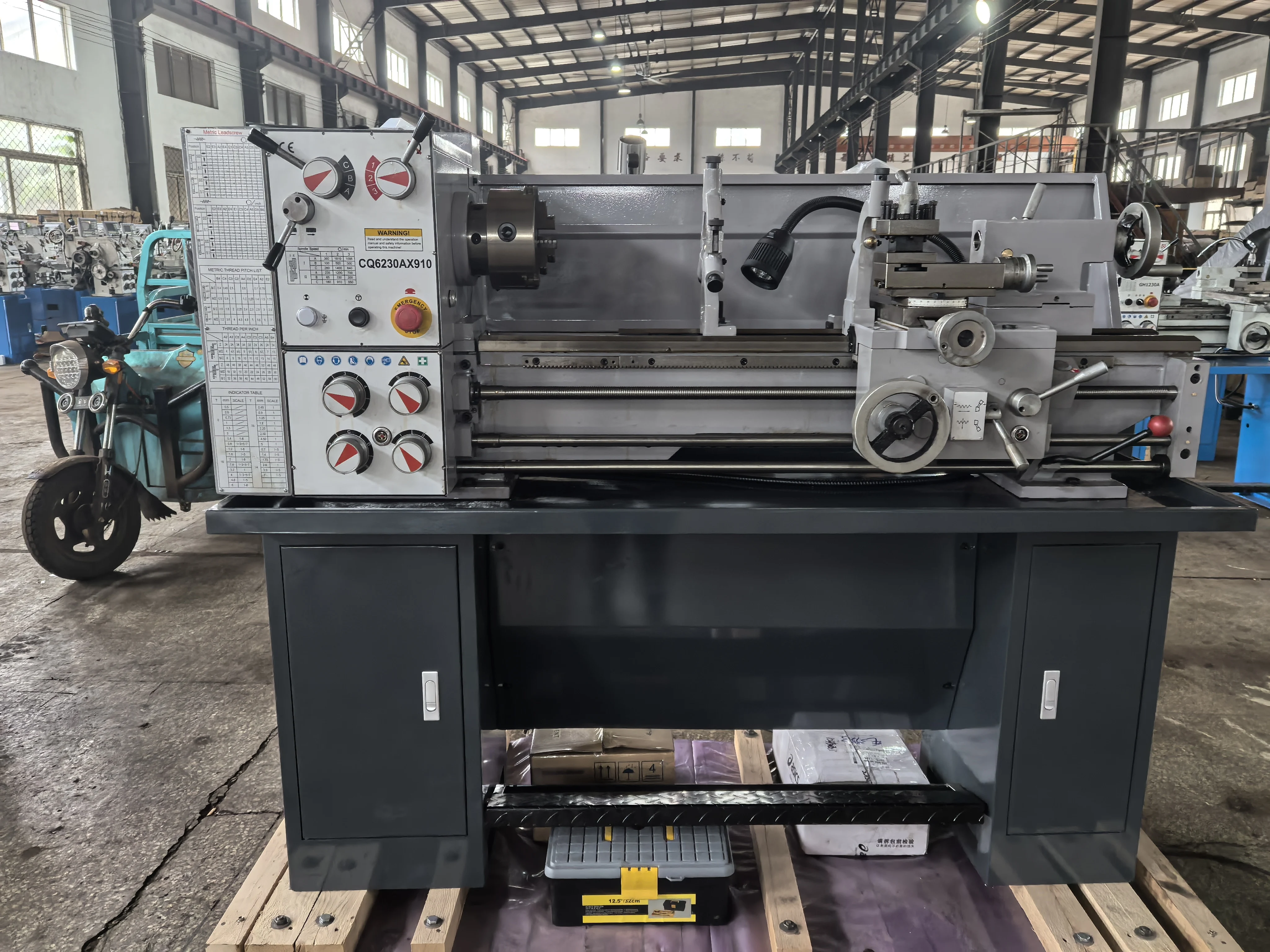
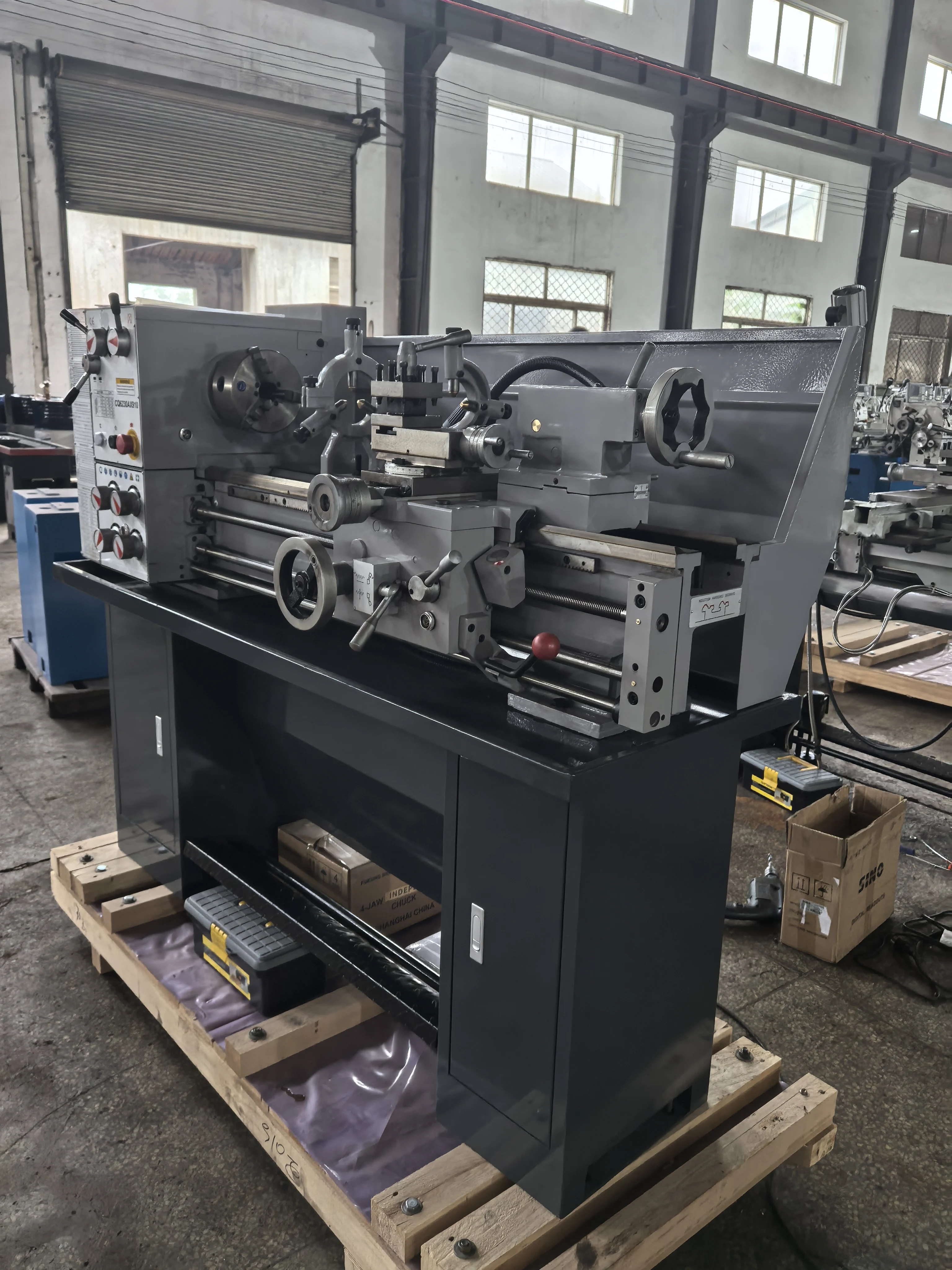

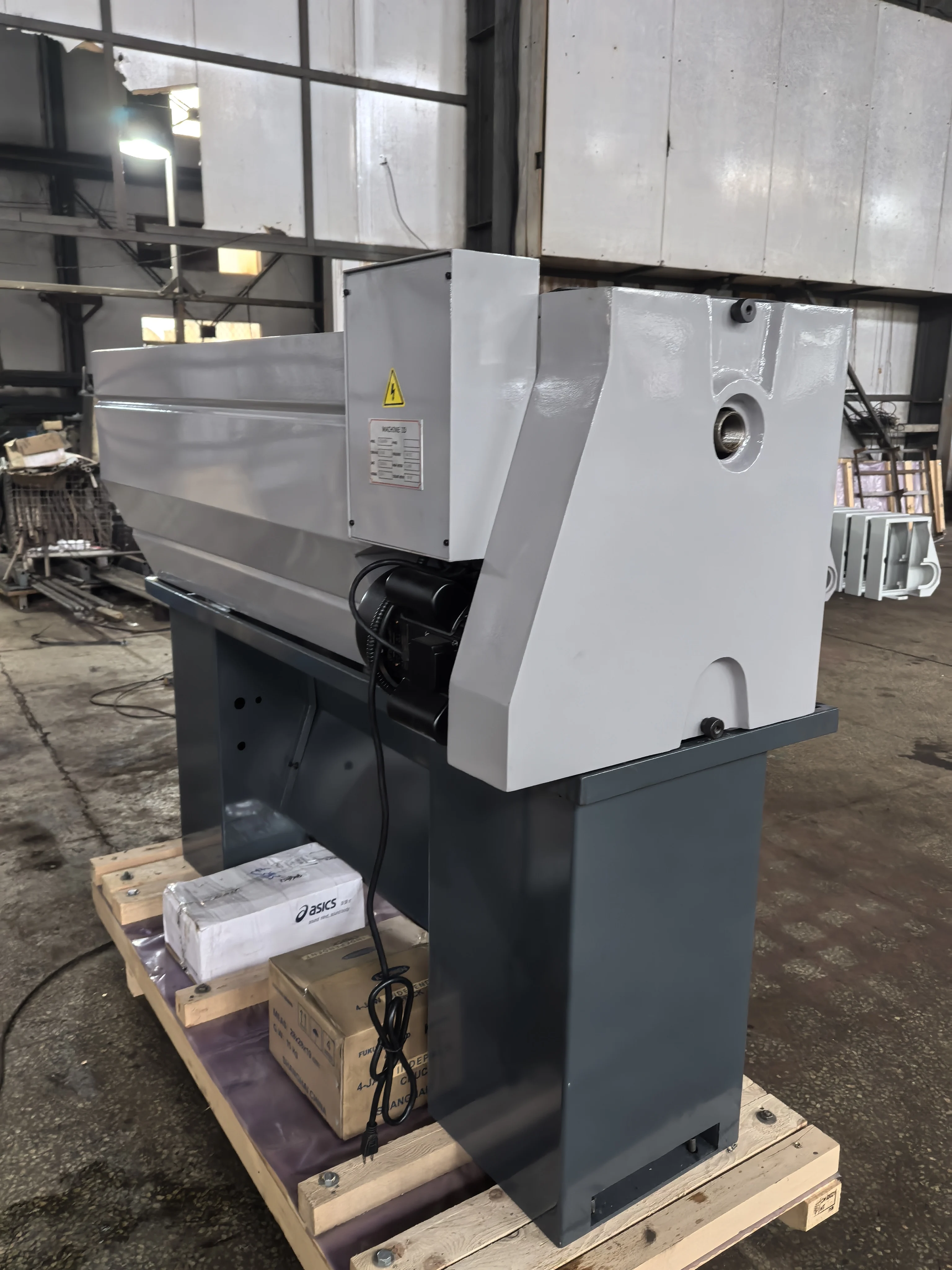
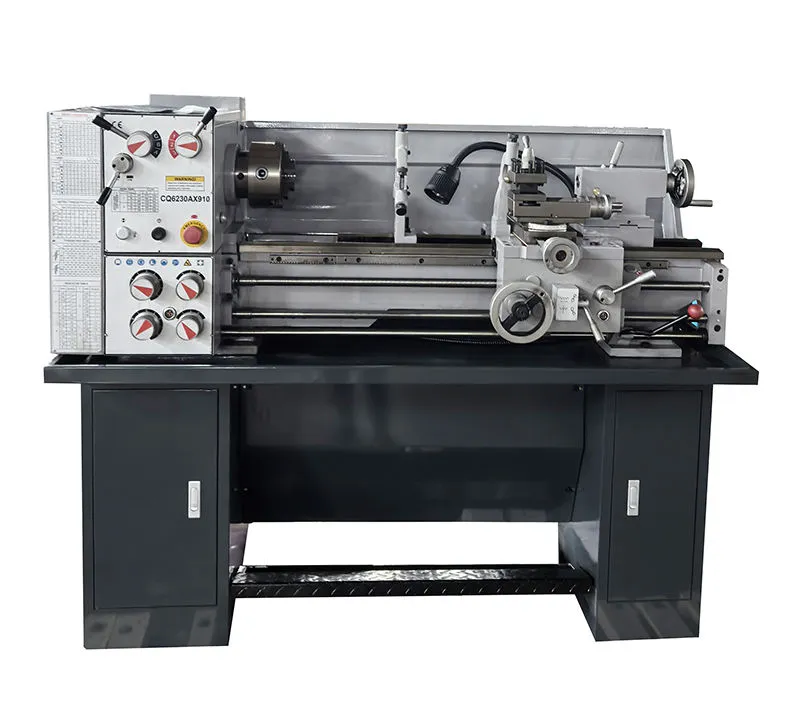
The High Precision Gear Lathe CQ6230 Manual Metal Lathe Machine is a manual horizontal metalworking lathe identified in the supplied product material as model CQ6230. It is presented for workshops that need a conventional machine for turning operations and for work that benefits from an operator-controlled setup. The High Precision Gear Lathe CQ6230 Manual Metal Lathe Machine combines a bench-lathe layout with a geared headstock, a removable gap, and feed and thread-cutting functions described in the original listing. Rather than treating one specification as a complete buying answer, buyers should match the High Precision Gear Lathe CQ6230 Manual Metal Lathe Machine to their workpiece size, tooling, site conditions, and operator practice.
For the High Precision Gear Lathe CQ6230 Manual Metal Lathe Machine, the supplied description states that the bed ways are precision ground and hardened. The spindle is supported by precision roller bearings, while the headstock gears are described as high-quality steel that is ground and hardened. These are source-backed construction points that help explain the machine’s intended role as a manual metal lathe. The High Precision Gear Lathe CQ6230 Manual Metal Lathe Machine also has speed-change levers, so the operator can select from the stated speed range according to the planned work. A higher spindle speed is not automatically the best choice; workpiece material, setup rigidity, tooling, and the required finish remain part of the decision.
The is specified with a maximum swing over bed of 310 mm, a maximum swing over cross slide of 180 mm, and a maximum swing over gap of 450 mm. Distance between centers is listed as 750, 910, or 1000 mm. The bed width is 181 mm. For through-spindle work, the listed spindle bore is 38 mm and the spindle-bore taper is MT5. These figures give a practical starting point for comparing the CQ6230 manual metal lathe with the diameter and length of the parts you plan to turn.
| Specification | Listed value |
|---|---|
| Model | CQ6230 |
| Max. swing over bed | 310 mm |
| Max. swing over cross slide | 180 mm |
| Max. swing over gap | 450 mm |
| Distance between centers | 750 / 910 / 1000 mm |
| Bed width | 181 mm |
| Spindle bore | 38 mm |
| Spindle-bore taper | MT5 |
The listed spindle-speed range for the CQ6230 manual metal lathe is 65–1810 (1400) rpm. Metric thread range is 0.4–7 mm, and inch thread range is 4–60 TPI. The source also lists metric threads that can be cut at 0.527–1.2912 mm/rev and inch threads at 0.011–0.276 mm/rev. The maximum cross-slide travel is listed as 130 mm and maximum top-slide travel as 75 mm. Confirm the required thread, feed, and travel against the final configuration before placing an order for the CQ6230 manual metal lathe, especially when a specific job or tool arrangement is involved.
The CQ6230 manual metal lathe is relevant where a conventional manual lathe is appropriate for metal-turning work within its published capacities. For example, a workshop making cylindrical parts may value the 310 mm swing over bed and the listed center-distance options. A job that needs thread cutting can review the metric and inch thread ranges before selecting the CQ6230 manual metal lathe. When larger diameter work is involved, the removable gap stated in the source material is a feature to assess against the actual workpiece and setup. These are application considerations, not assurances of fitness for every material, tolerance, or production volume.
The standard accessories listed for the CQ6230 manual metal lathe are a 3-jaw chuck, change gears, dead center, oil gun, splash guard, foot stand, and oil tray. Optional accessories in the source include a 4-jaw chuck, face plate, steady and follow rest, working lamp, foot brake, rolling center, drill chuck with arbor, leadscrew guard, chuck guard, localizer, clutch for feed rod, quick-change tool post, and 2-axis or 3-axis DRO. Availability and final configuration should be confirmed because optional items are not represented as standard equipment for every order of the CQ6230 manual metal lathe.
When selecting the CQ6230 manual metal lathe, begin with the parts you intend to machine rather than with a single headline figure. Check swing, center distance, spindle bore, thread requirements, and the tooling you already use. Buyers should also confirm compatibility between the machine, chucking method, and planned fixtures before purchase. A data sheet is valuable, but it cannot replace a review of the actual workpiece, process, installation area, and local operating requirements. The listed net weight is 500/540/640 kg and gross weight is 550/590/670 kg, depending on version, which makes site preparation and handling planning important for the CQ6230 manual metal lathe.
The listed packing size is 1480/1680/1970 × 750 × 1400 mm. Before arranging delivery of the CQ6230 manual metal lathe, verify the selected center-distance version, accessory package, unloading route, floor capacity, electrical requirements, and guarding needs with the supplier and qualified local personnel. This page only uses the published product material and does not establish site suitability, certification scope, or performance under a specific process. For a clear quotation discussion, provide the intended workpiece dimensions, thread requirements, preferred accessories, and destination details for the CQ6230 manual metal lathe.


For a productive enquiry, keep the discussion tied to documented requirements. State the material to be turned, the largest outside diameter, the unsupported length, the required thread forms, and the preferred chuck or rest. Ask which center-distance version is being quoted and which accessories are included. Confirm delivery handling, installation access, and operating safeguards separately. These checks help compare configurations consistently and avoid treating general listing information as a substitute for a process review. Final selection should be made with qualified personnel who understand the intended operation and local safety responsibilities.

 EN