product-mini-metal-lathe-machine-38mm-spindle-bore-torno-manual-lathe-tl280mv500mm, product-mini-metal-lathe-machine-38mm-spindle-bore-torno-manual-lathe-tl280mv500mm, /bench-lathe
EN
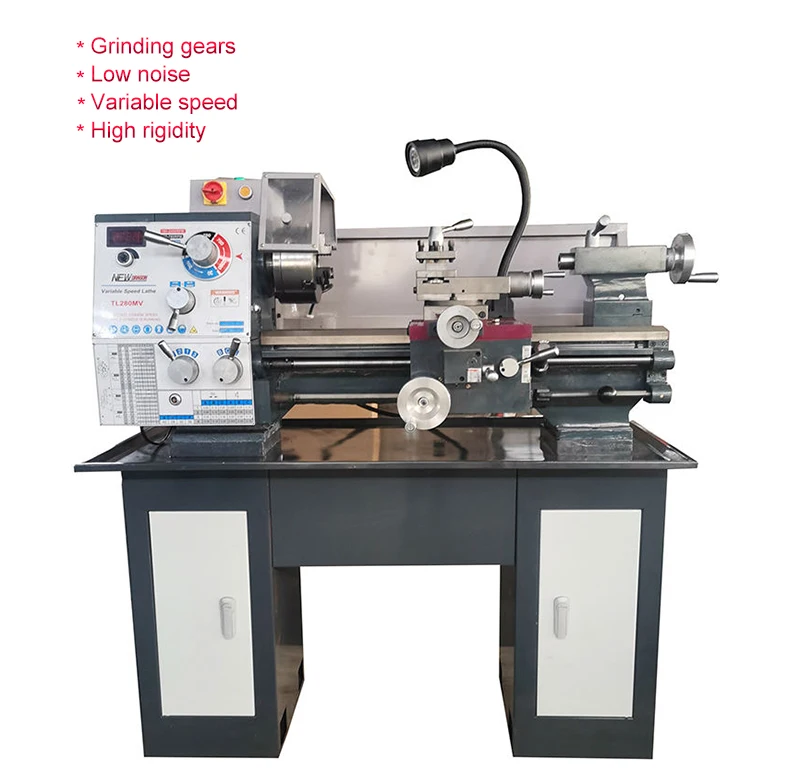
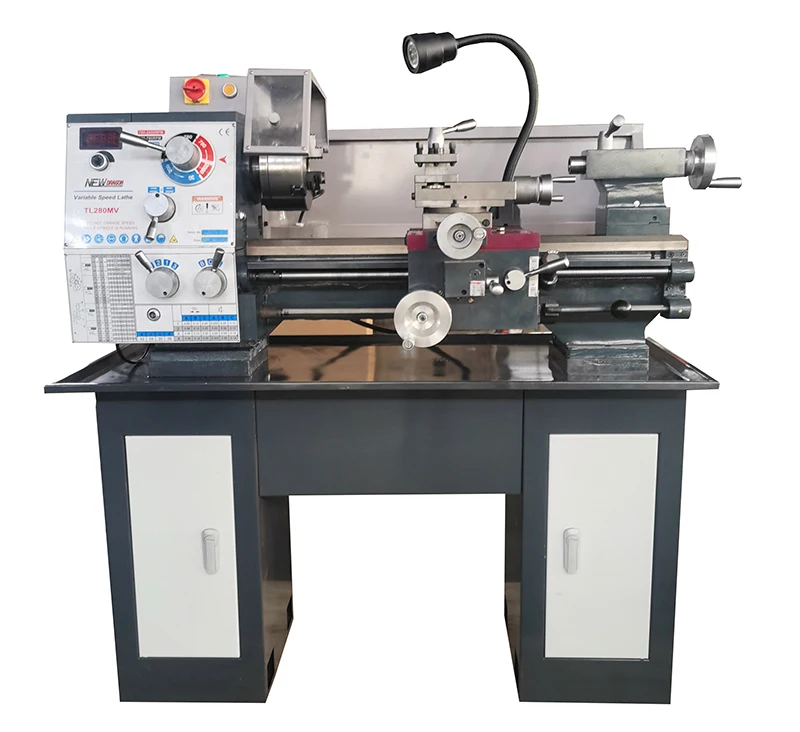
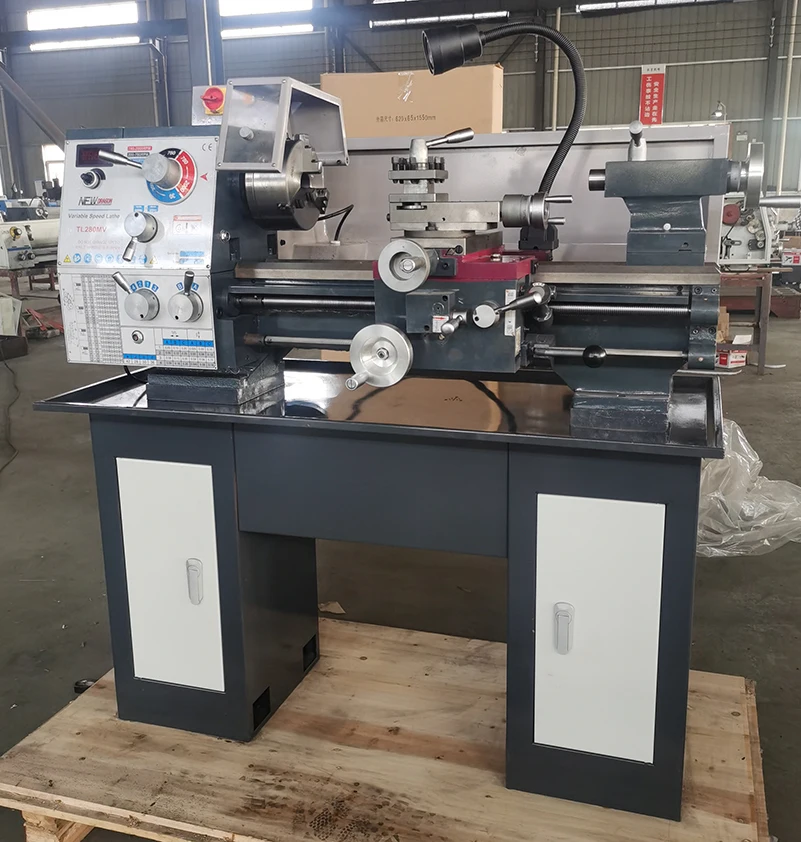
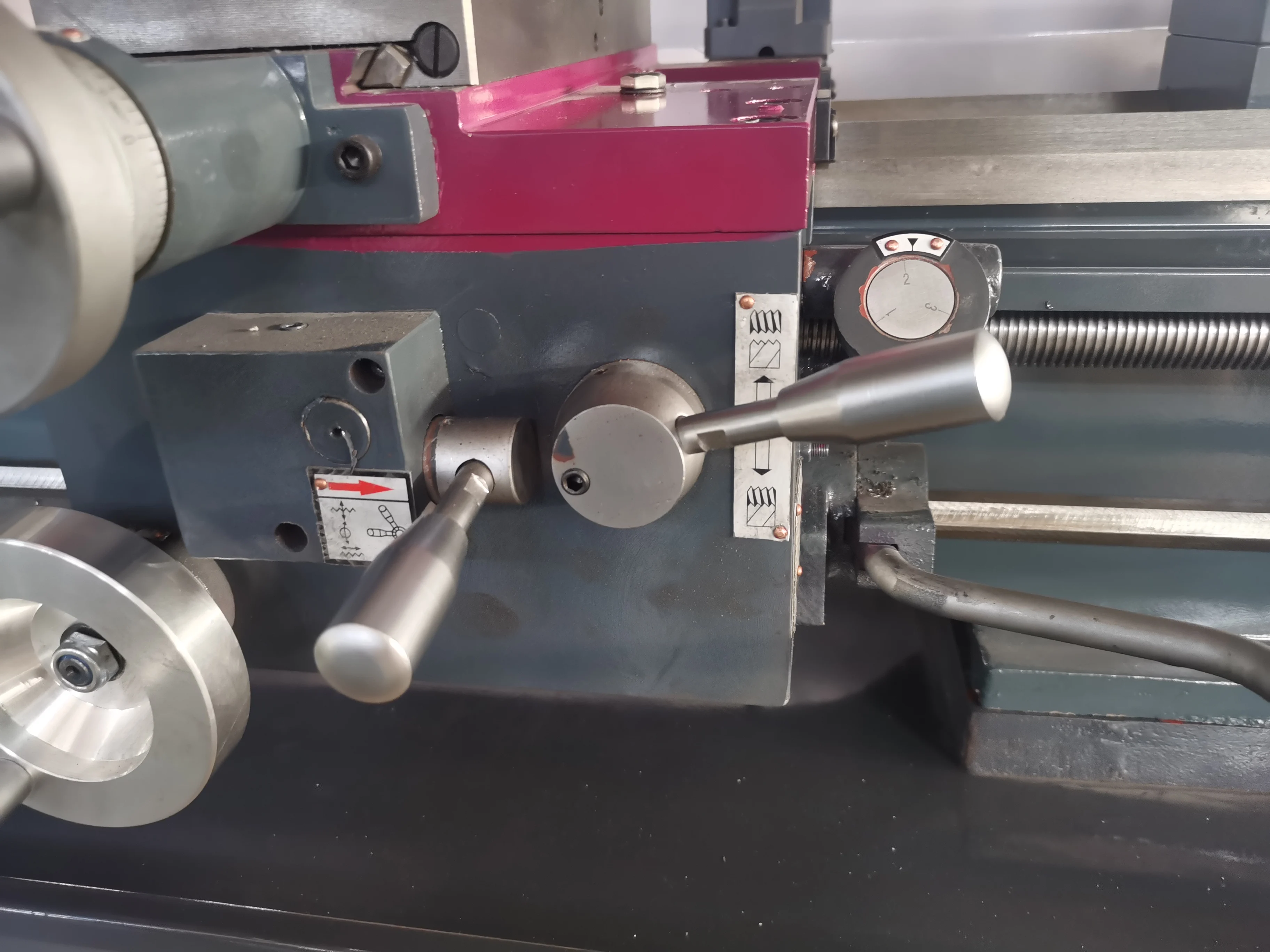
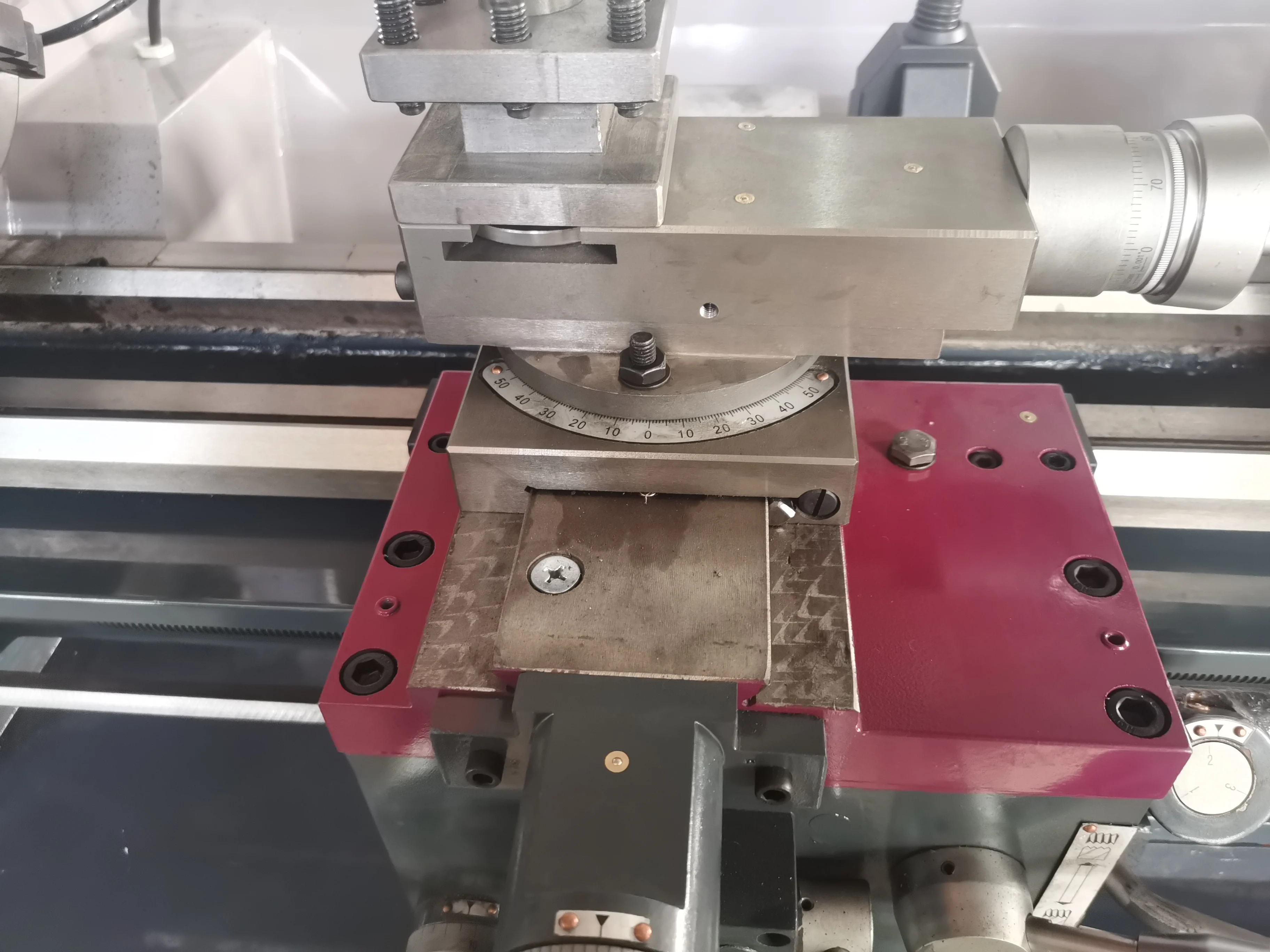
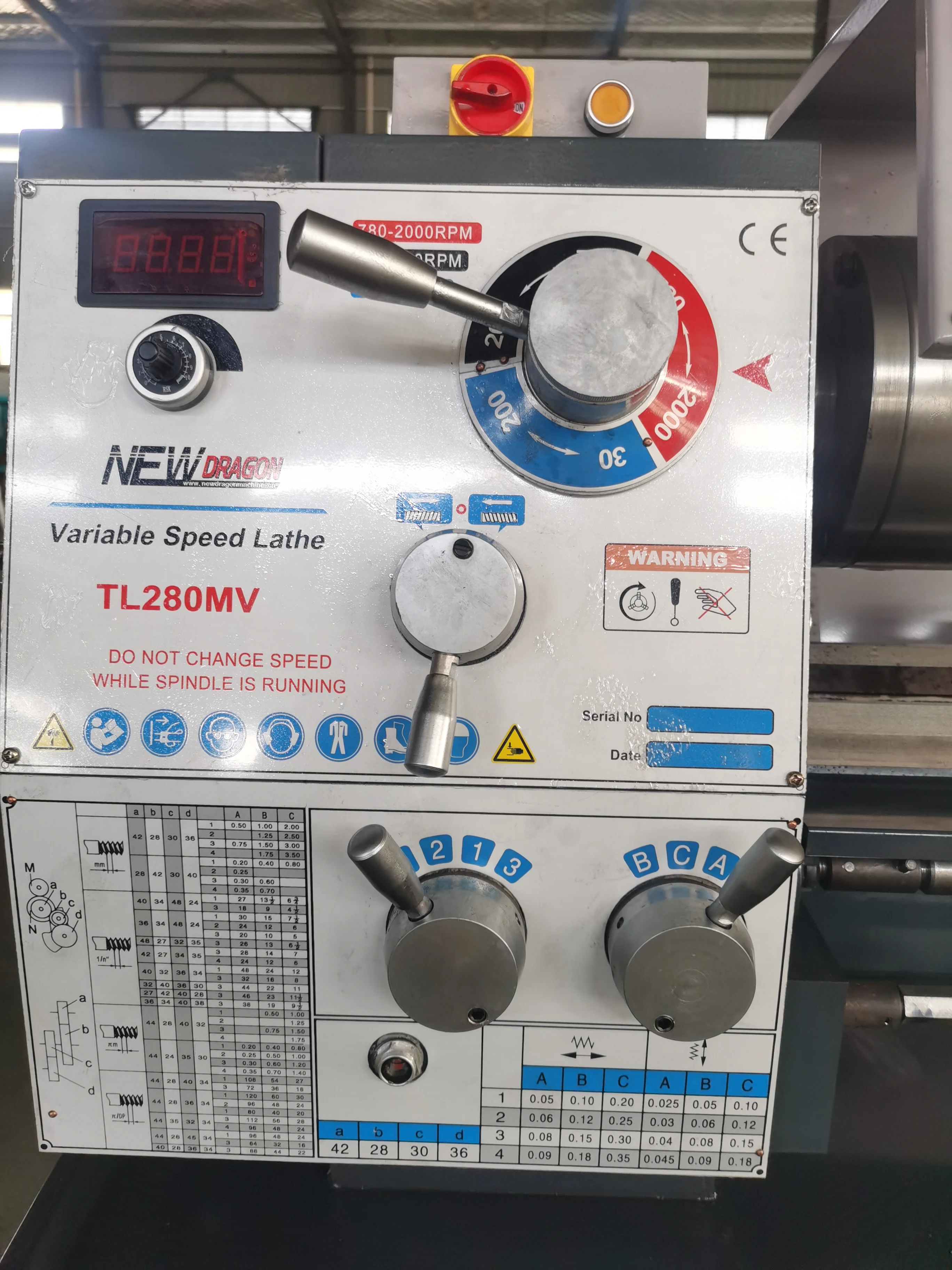
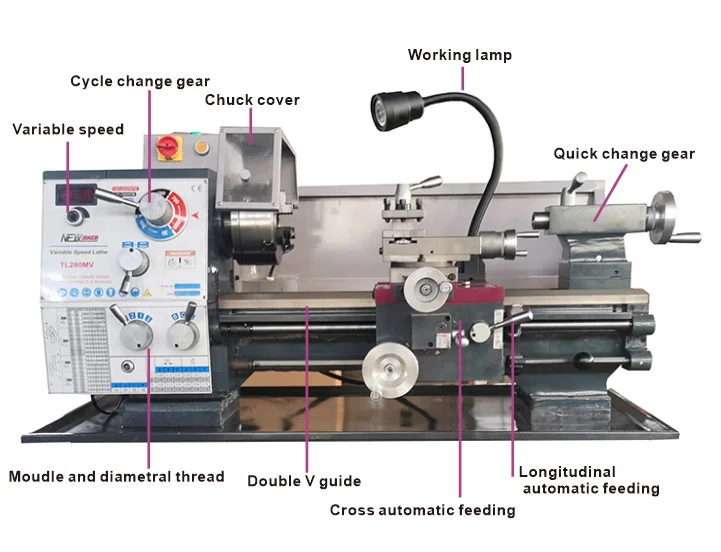
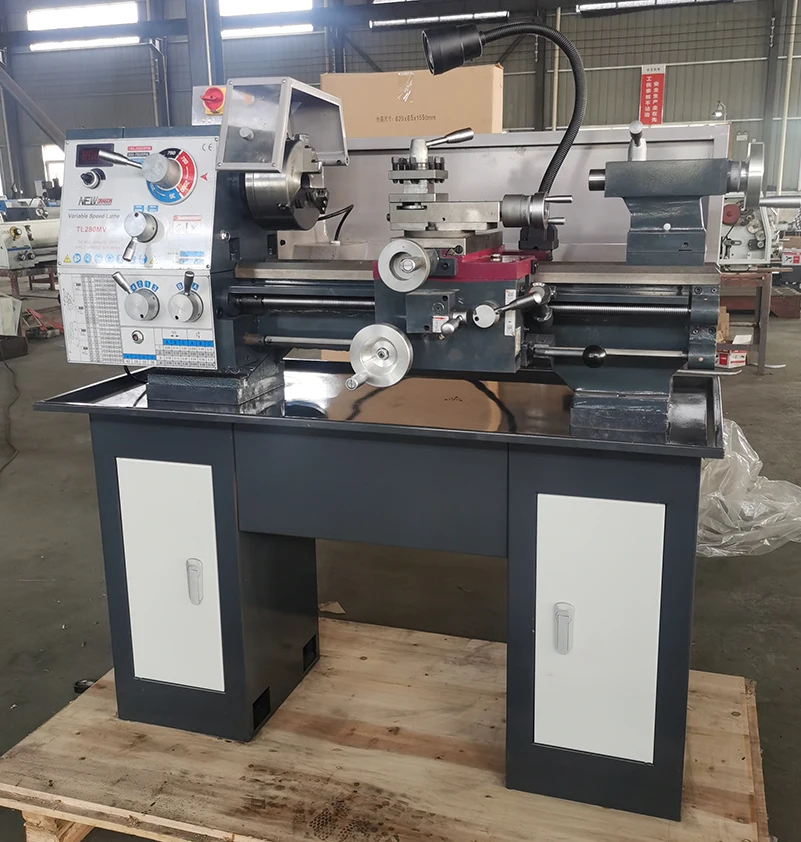
Mini Metal Lathe Machine 38mm Spindle Bore Torno Manual Lathe TL280MV*500mm is a manually operated metalworking lathe identified as TL280MV*500mm. The published maximum swing over bed is 280 mm, and the published maximum workpiece length is 500 mm. Those values offer a practical first screen for a turning job. They do not, by themselves, establish that every part profile, material, fixture, or finishing requirement is suitable. Compare them with the drawing, planned chuck or fixture, tool projection, and machining method before making a selection.
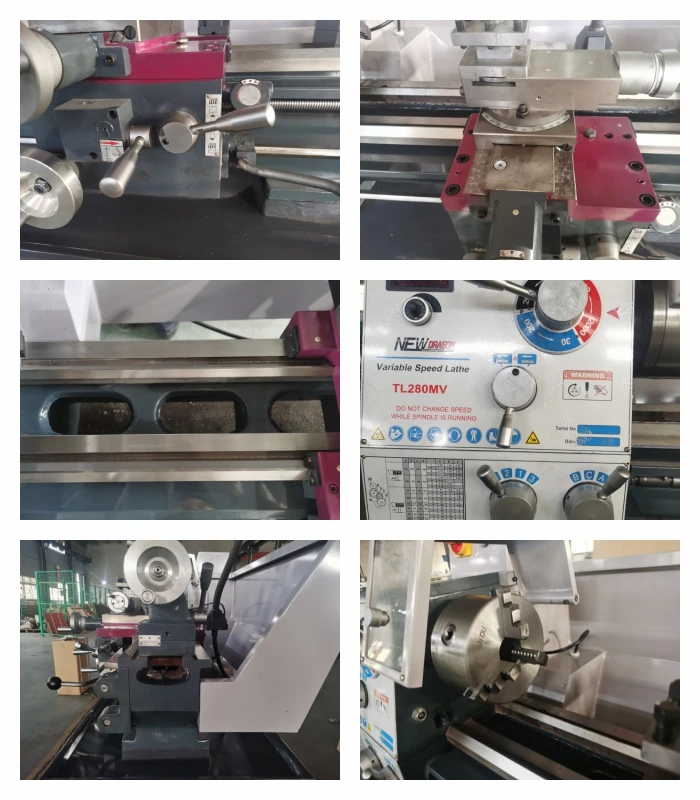
This manual turning platform is described with precision-ground and hardened bed ways, a spindle supported by precision roller bearings, and ground, hardened steel headstock gears. These statements describe the listed construction features. They should not be read as an unsupported promise of a particular tolerance, surface finish, productivity level, or outcome. Installation quality, workholding, tooling, stock condition, and the operator’s procedure all influence a manual turning result.
| Item | Published value |
|---|---|
| Maximum swing over bed | 280 mm |
| Maximum workpiece length | 500 mm |
| Maximum swing over cross slide | 160 mm |
| Bed width | 170 mm |
| Spindle bore | 38 mm |
| Spindle taper | MT5 |
| Tailstock sleeve travel | 80 mm |
| Tailstock taper | MT3 |
| Spindle speed | 30–2000 r/min, 3 steps |
| Motor | 1.1 kW |
| Net/gross weight | 260/320 kg |
| Packing size | 1250 × 700 × 720 mm |
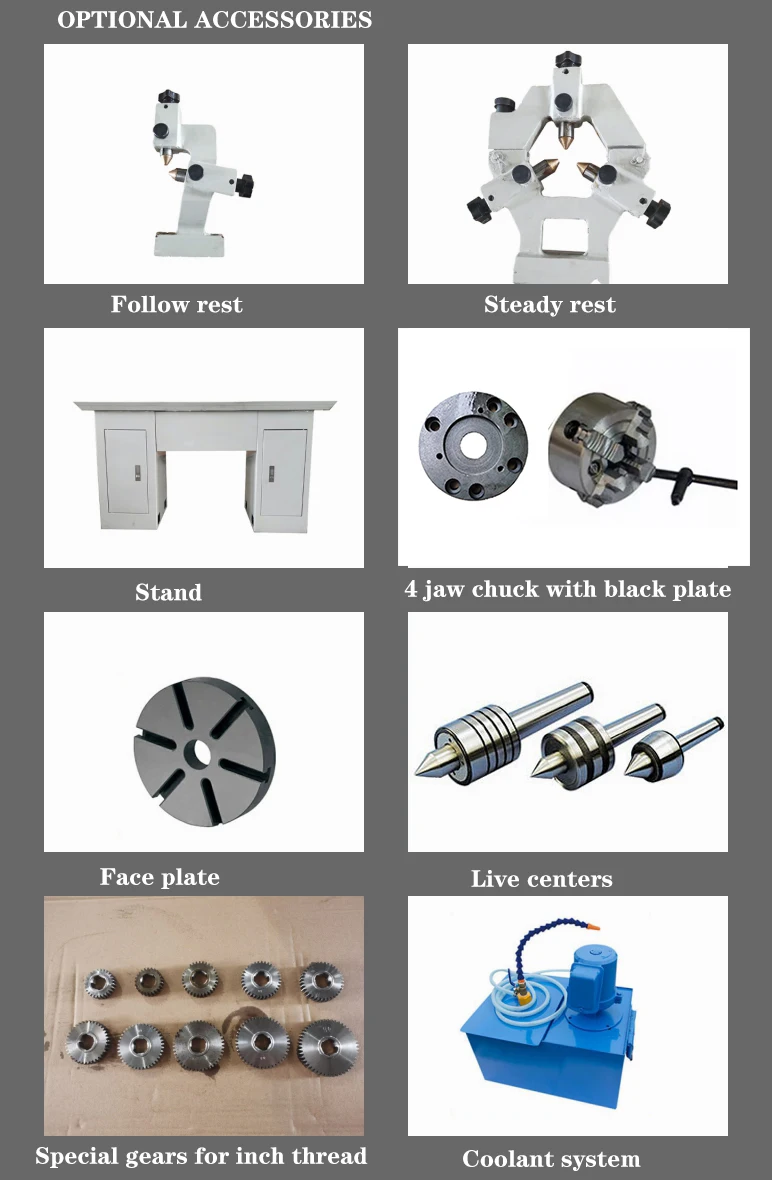
The table gives known information for comparing workholding and tailstock-supported operations. The 38 mm spindle bore, MT5 spindle taper, and MT3 tailstock taper are useful compatibility references. Confirm the actual delivered accessories, chuck arrangement, tooling, and any order-specific configuration directly. The source does not state that accessories, certification, installation service, warranty terms, or a complete electrical configuration are included.
The product description states that an easy-operating gearbox provides various feeds and thread cutting. Published threading information includes 18 metric threads from 0.2 to 3.5 mm, 34 inch threads from 4 1/2 to 48 1/n, 16 module threads from 0.2 to 1.75 mm, and 24 diametral-pitch threads from 16 to 120 /DP. Longitudinal feed is listed at 0.05–0.35 mm/r, and cross feed at 0.025–0.18 mm/r.
For a particular component, start with the actual pitch, thread form, stock diameter, inspection requirement, tool, and gearbox procedure. A listed thread range is helpful, but it does not confirm every setup element needed for a specific job. A manual lathe also relies on the operator’s sequence and adjustment. This is why matching the published data to the drawing is more dependable than selecting solely from a broad machine description.
These features create a useful evaluation framework, but the speed number should be read in context. Higher speed is not automatically better for every manual turning task. Material, workpiece diameter, tool condition, rigidity, and the intended cut all affect a sensible setting. Likewise, an unexpected result is not necessarily caused by the machine alone. Clamping method, fixture rigidity, tool overhang, and part geometry can materially affect the operation.
For example, a shop evaluating a short shaft, bushing, or threaded repair component can first compare the required swing, length, bore, and thread range. It should then check how the chuck, fixture, and tool reduce practical clearance. This sequence is especially useful for thin, long, or irregular workpieces, where support and clamping need careful planning. It is a selection guide, not a claim that the machine is preconfigured for every workpiece or material.
Where published capacity aligns with the intended part, this manual lathe may be reviewed for repair work, training environments, prototype tasks, and small-workshop turning. Such examples are general contexts for a manual lathe rather than confirmed applications for all materials or production volumes. Demanding stock, unusual tooling, repetitive production, special inspection requirements, and strict cycle targets require a complete process review before purchase.
The machine may be considered within the metal cutting industry when the job fits its listed capacity and manual operating approach. It is not an ellis band saw, and that allocated SEO phrase does not identify the machine, maker, or an included accessory. Buyers should not infer compatibility or supply relationships from that phrase. For any job with narrow dimensional, tooling, or process constraints, confirm requirements with the supplier or technical team.
Published logistics information gives a gross weight of 320 kg and packing size of 1250 × 700 × 720 mm. Use those figures for preliminary handling and placement planning, then confirm the shipment arrangement separately. The product listing gives motor power but not the complete local power configuration. Confirm voltage, phase, frequency, connection requirements, and the installation environment before delivery or commissioning.
Prepare a location with safe handling access, working clearance, and a suitable foundation. Inspect the delivered configuration and included items on arrival. Follow applicable shop rules and local requirements, use appropriate guarding and personal protective equipment, and secure the work before machining. These general points do not replace the operator manual, training, or a site-specific risk assessment.
Mini Metal Lathe Machine 38mm Spindle Bore Torno Manual Lathe TL280MV*500mm brings published swing, length, spindle-bore, taper, speed, threading, feed, tailstock, motor, and packing information into one listing. Its value for a buyer is the ability to compare documented facts with a real operation rather than relying on broad claims. Review workholding, tools, thread needs, power, delivery, and inspection expectations before ordering. That approach keeps the decision tied to the task the machine must perform.
Before finalizing a purchase, make a written setup checklist: required part envelope, chuck or fixture interface, tool clearances, thread pitches, tailstock support, incoming power, lifting route, and inspection method. Reviewing these points early helps keep the chosen configuration aligned with the intended manual-turning work.




 EN