product-qt-07d--7mm--mini-swiss-type/sliding-headstock-cnc-lathe-for-metal, product-qt-07d--7mm--mini-swiss-type/sliding-headstock-cnc-lathe-for-metal, /swiss-type-cnc-lathe
EN
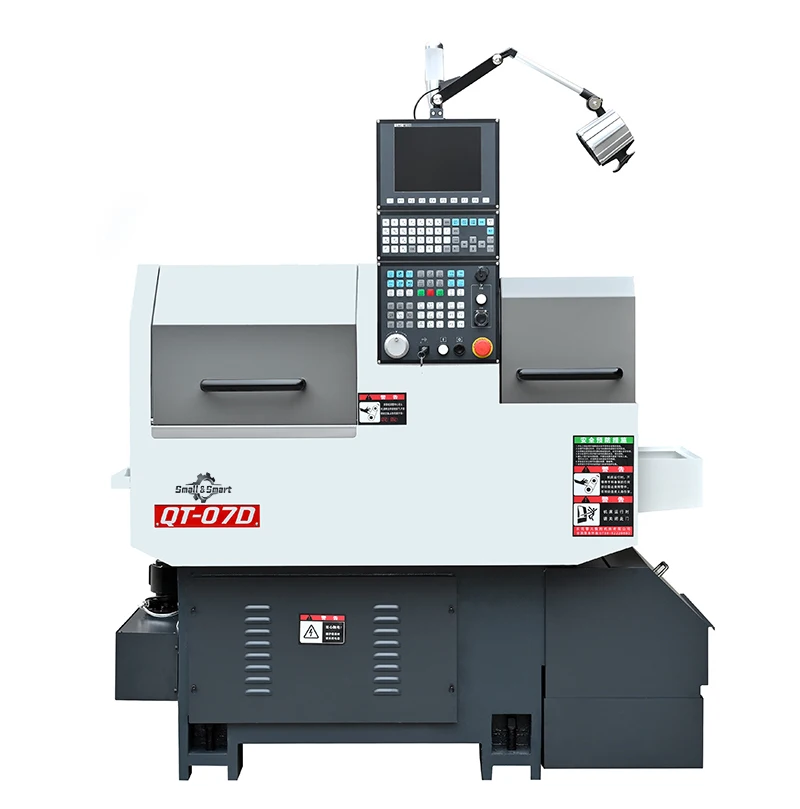
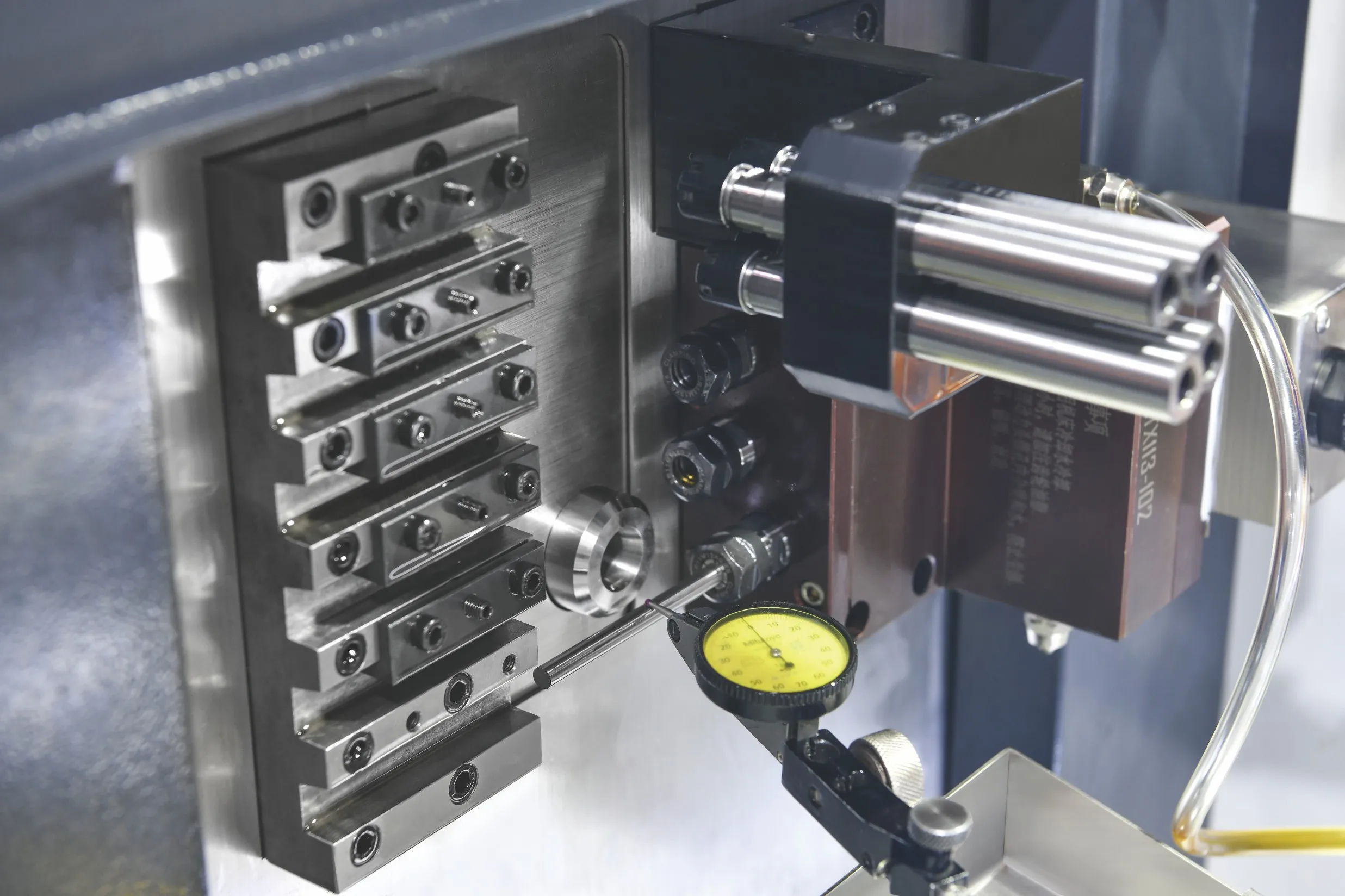
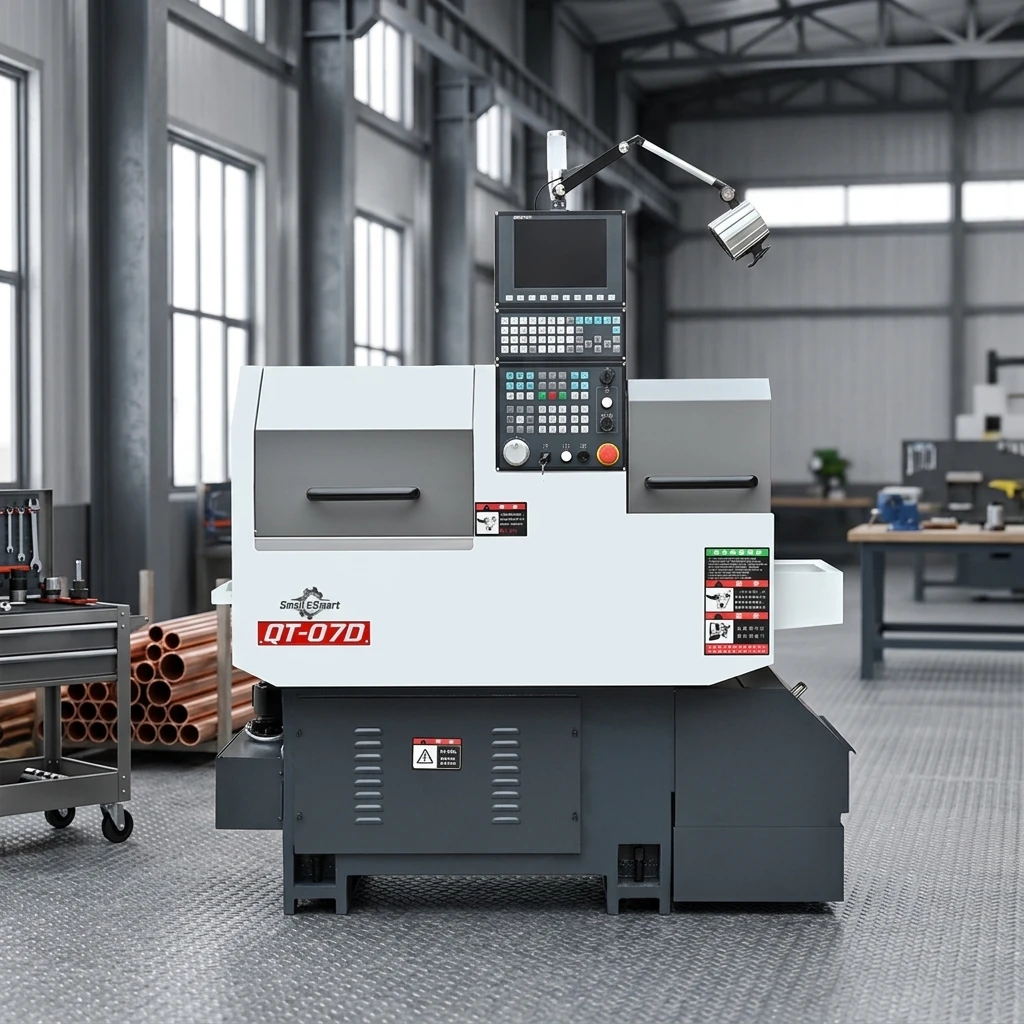

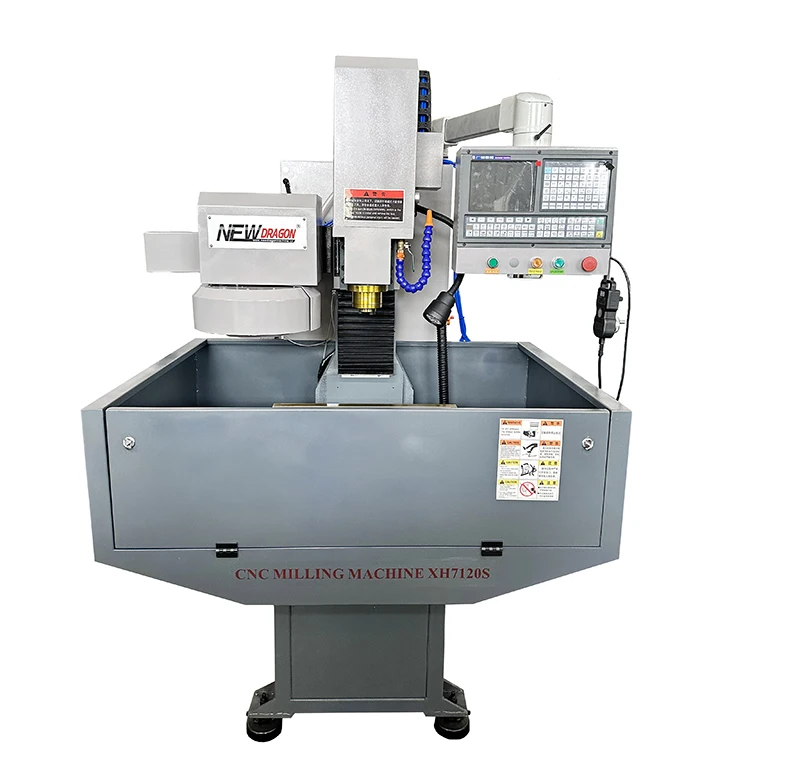
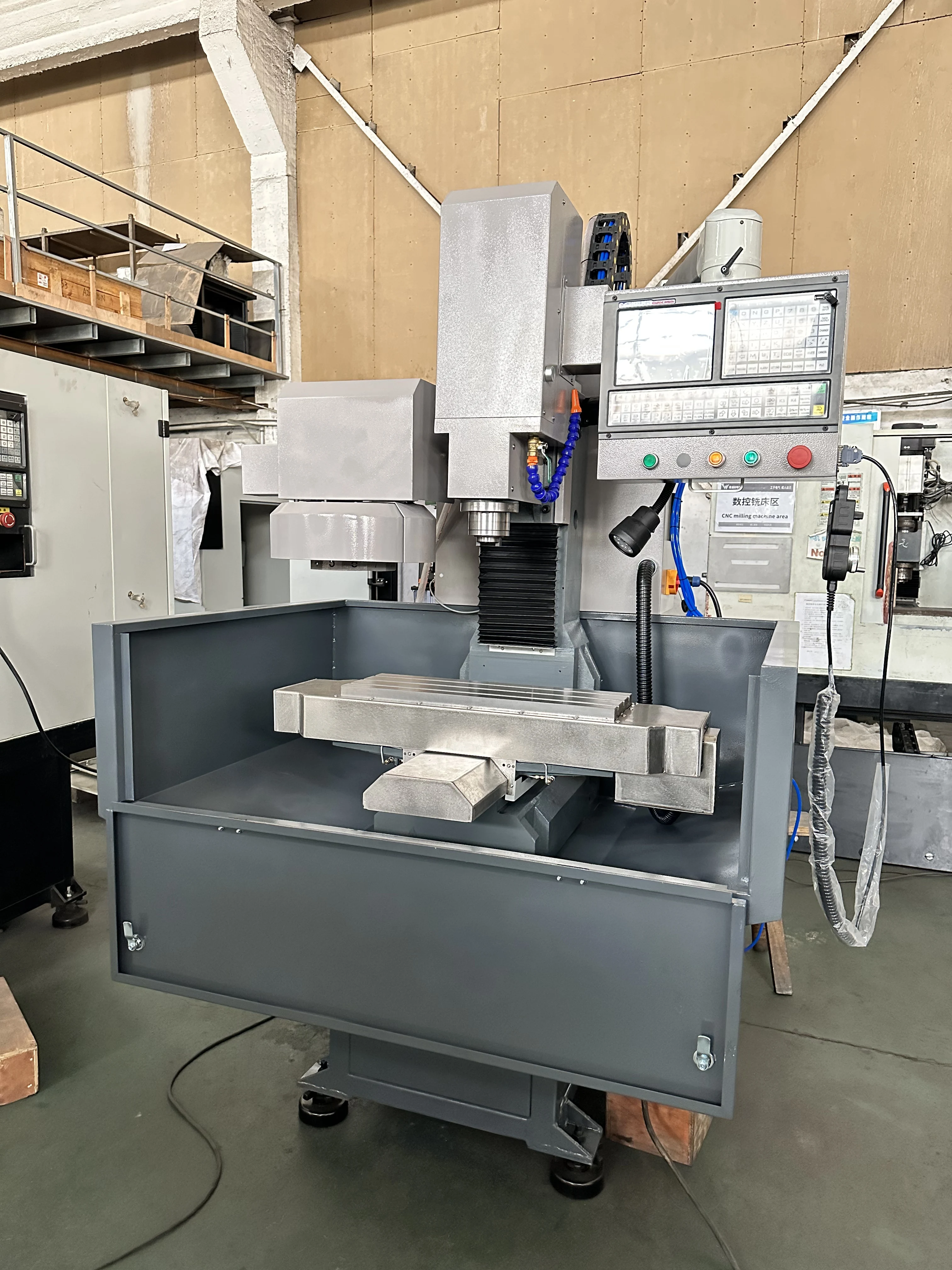
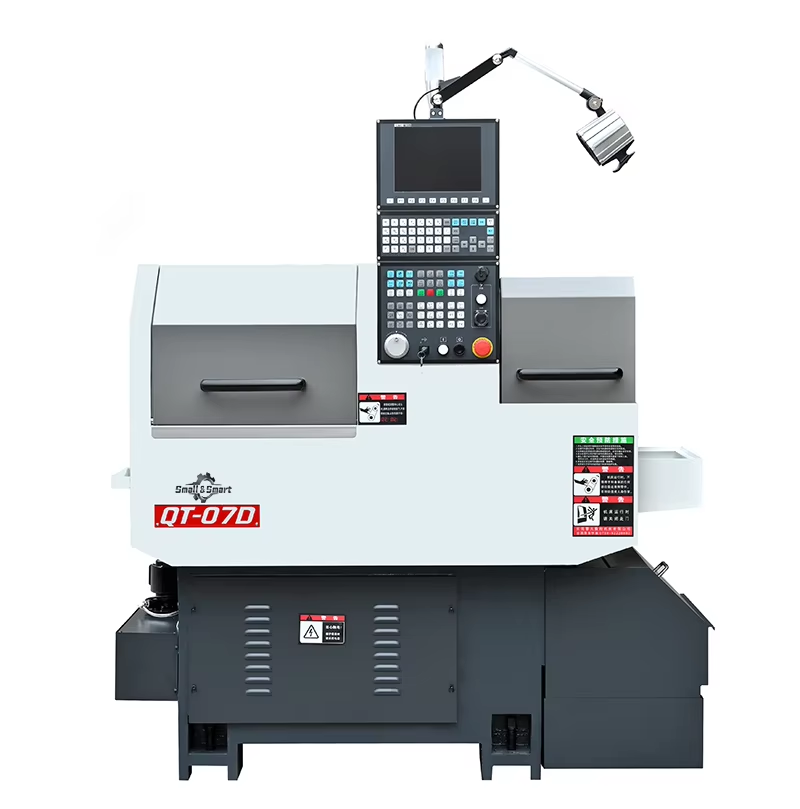
The QT-07D is a compact CNC machine for small-diameter metal work where stable support, practical tooling access, and a clear specification set matter. Its stated maximum machining diameter is 7 mm, and its fixed guide sleeve is intended to support the work close to the cutting zone. For workshops evaluating a small-part production cell, the QT-07D 7mm MINI Swiss Type/sliding Headstock CNC Lathe for Metal provides a defined platform for turning work and, with the stated power-head options, drilling, milling, and tapping operations.
This product page describes the supplied configuration rather than promising a result for every material or part geometry. A compact machine is not automatically the best choice for every job. If your work involves 7 mm capacity parts and the relevant tooling and process have been verified, the QT-07D 7mm MINI Swiss Type/sliding Headstock CNC Lathe for Metal can be considered as a focused small-diameter machining option.
From an engineering perspective, the the machine should be assessed as a system: part size, bar condition, fixture strategy, cutting tool, and program all affect the usable outcome. Configuration depth is valuable only when it matches the work. For a simple small-diameter turned component, paying for options that the process will not use may not improve the result.
| Item | Listed specification |
|---|---|
| Model | QT-07D |
| Maximum machining diameter | 7 mm |
| Spindle speed range | 0–5000 rpm |
| Spindle bore diameter | 8 mm |
| Spindle motor power | 2.3 kW |
| Spindle height from ground | 930 mm |
| Guide sleeve | Fixed, model 1107 |
| X / Y / Z travel | 60 / 135 / 140 mm |
| X / Y / Z motor power | 0.75 / 0.75 / 0.75 kW |
| Side power-head power | 0.4 kW |
| Cutting speed | 1–5000 mm/min |
| Axial feed velocity | 18000 mm/min |
| Turning tools | 6 positions |
| Front drilling tools | 4 positions |
| Tool size | 10 × 10 mm |
| Drill shaft | ER11, 16 mm |
| Side power head | ER11, three power heads |
| Machine size | 1350 × 900 × 1800 mm |
| Machine weight | 800 kg |
The the machine has a stated 0–5000 rpm spindle range. Higher spindle speed is not automatically better: the appropriate speed depends on the workpiece material, tool, diameter, desired surface, and process stability. Use the listed range as a starting point for process planning, then confirm cutting parameters through qualified setup and trial work.
The the machine is relevant to production planning for compact metal components within its stated capacity. It may suit small turned parts that benefit from guide-sleeve support, including work that combines turning with drilling, milling, or tapping when the appropriate optional power-head arrangement is selected. It can also be considered for repeated small-part workflows where a compact machine footprint is important.
For example, a workshop producing a small metal component may first compare the finished-part drawing with the 7 mm maximum machining diameter, available travels, tool envelope, and ER11-related tooling specification. That process is more reliable than selecting solely by a headline speed or by the number of optional heads. Buyers should check bar stock, fixture, collet, toolholder, electrical supply, floor loading, operator training, and local installation requirements before committing to a configuration.
Do not treat a parameter table as a substitute for a trial cut. Where part tolerance, material behavior, or cycle requirements are critical, provide the drawing and material details for technical review and confirm the intended process before purchase. The supplied product information identifies the system as “TAIWAN Lnc System”; buyers with control-integration requirements should confirm the exact delivered configuration with the supplier.
The practical difference is the combination of a stated 7 mm capacity, fixed guide sleeve, 2.3 kW spindle motor, 0–5000 rpm range, compact dimensions, and optional power-head capability. The the machine is not presented as a universal solution; it is a specific platform whose suitability depends on matching the documented limits to the part and process.
For buyers comparing small CNC equipment, the most useful next step is to validate the application rather than assume that more features always improve the job. Review the drawing, tolerance targets, material, expected batch size, required secondary operations, tooling compatibility, and site constraints. This disciplined approach helps determine whether the the machine and its available configuration are appropriate for your production plan.
Contact the supplier with your part details to discuss configuration, optional power heads, installation preparation, and a technical review of the stated machine specifications.
Start with the component drawing, not the machine name. Identify the largest stock diameter, finished diameter, operation sequence, tolerance callouts, and feature locations. Next, map the required tools to the stated 10 × 10 mm tool size, six turning-tool positions, four front drilling-tool positions, and ER11-related tooling details. Consider whether drilling, milling, or tapping is actually needed before choosing an optional power-head arrangement. Then discuss sample material and target output with the supplier. This review keeps expectations practical and helps identify questions that a general specification table cannot answer, including process sequencing, tool access, and commissioning responsibilities. For any critical application, request written confirmation of the delivered scope before release of the purchase order.



 EN