product-qt-1206---swiss-type/sliding-headstock-cnc-lathe-for-metal, product-qt-1206---swiss-type/sliding-headstock-cnc-lathe-for-metal, /swiss-type-cnc-lathe
EN
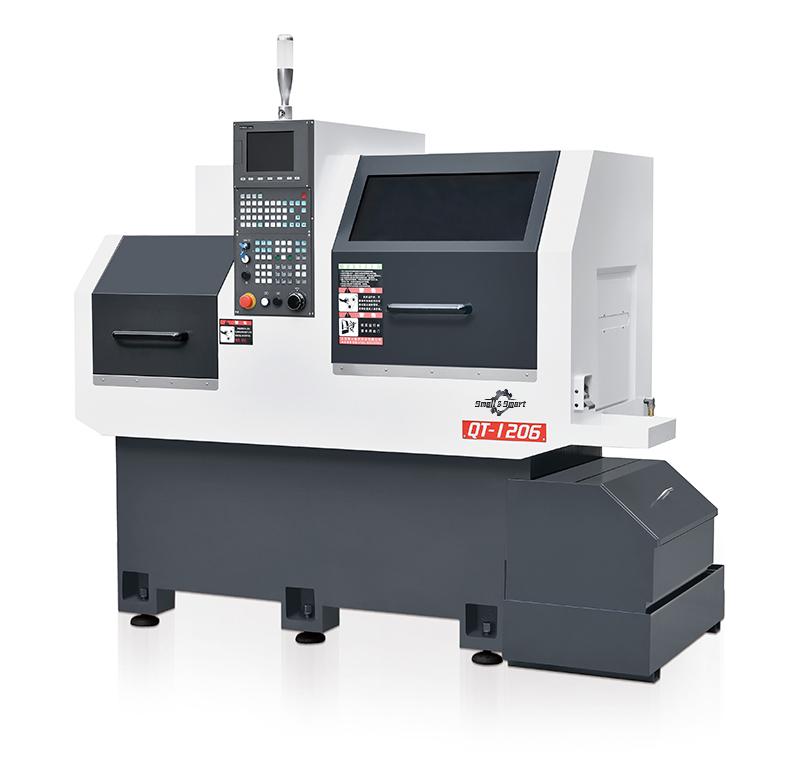
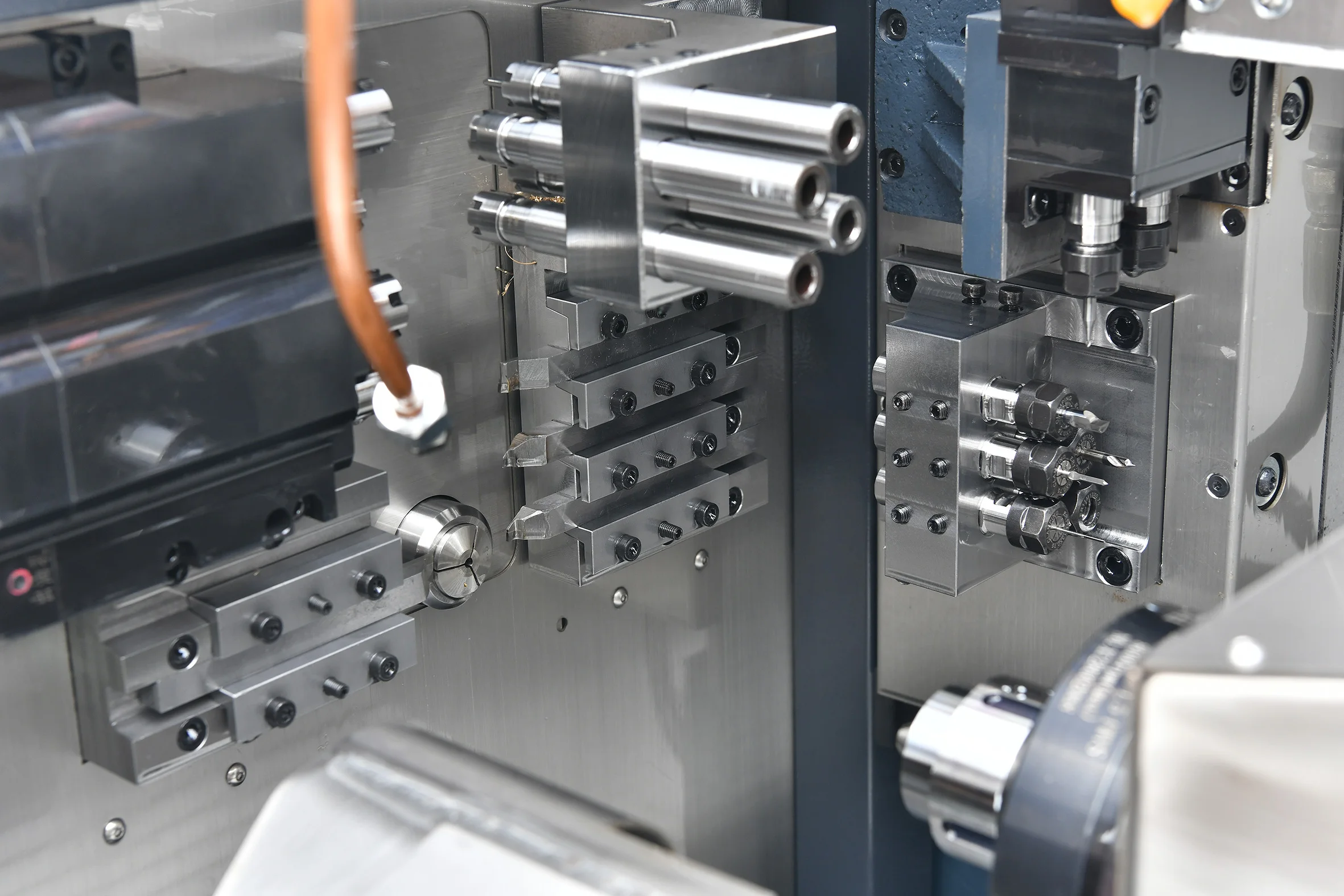
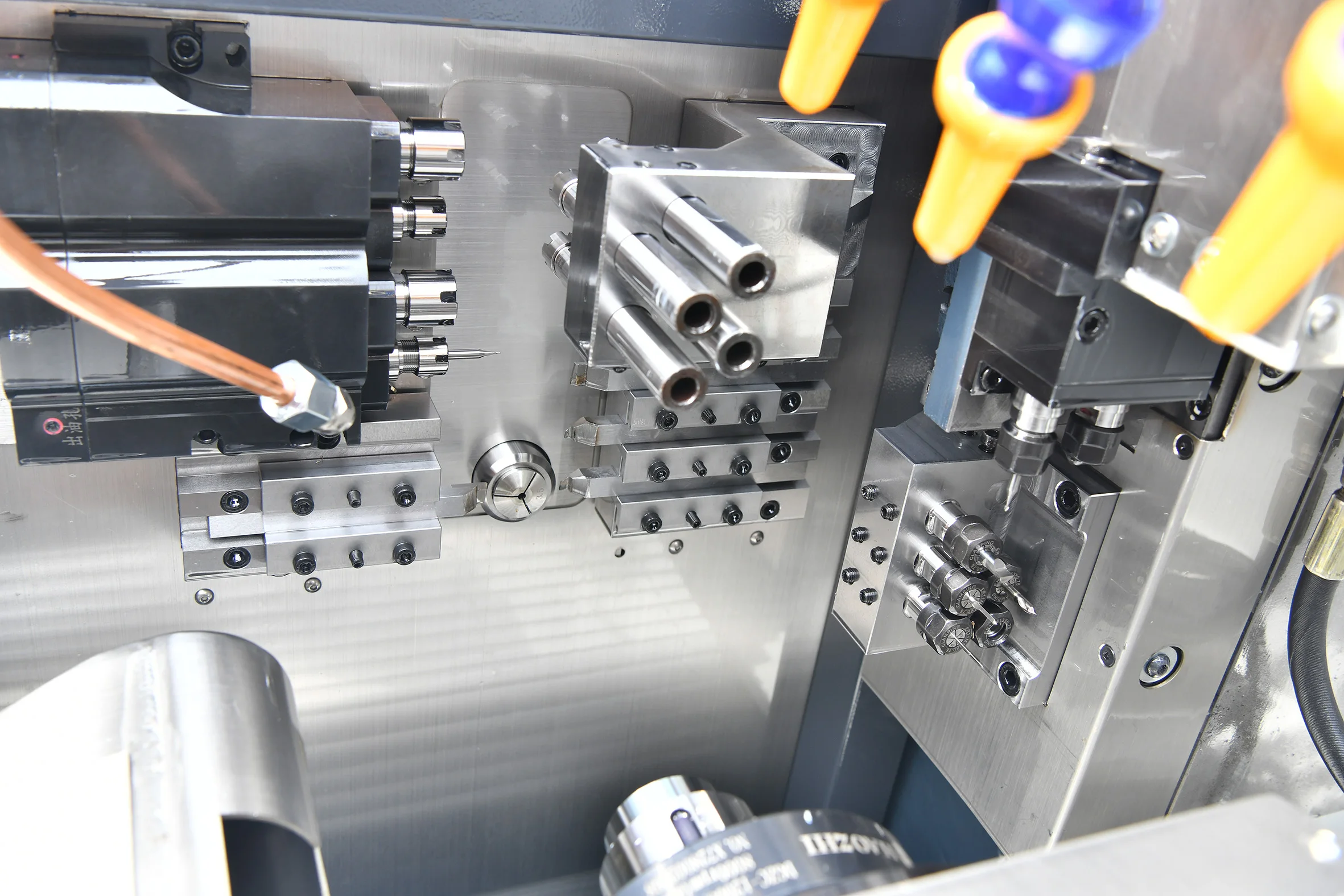
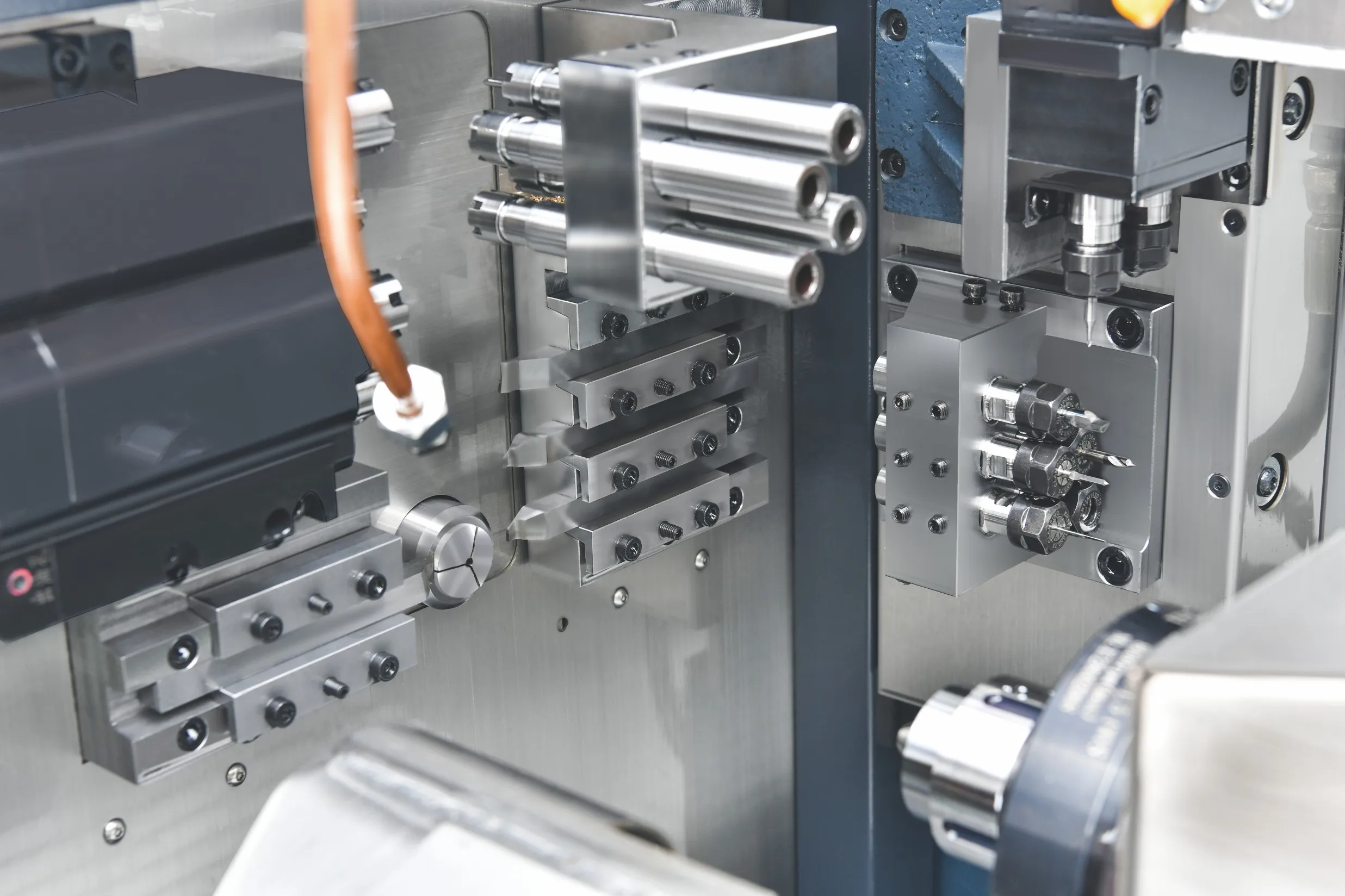
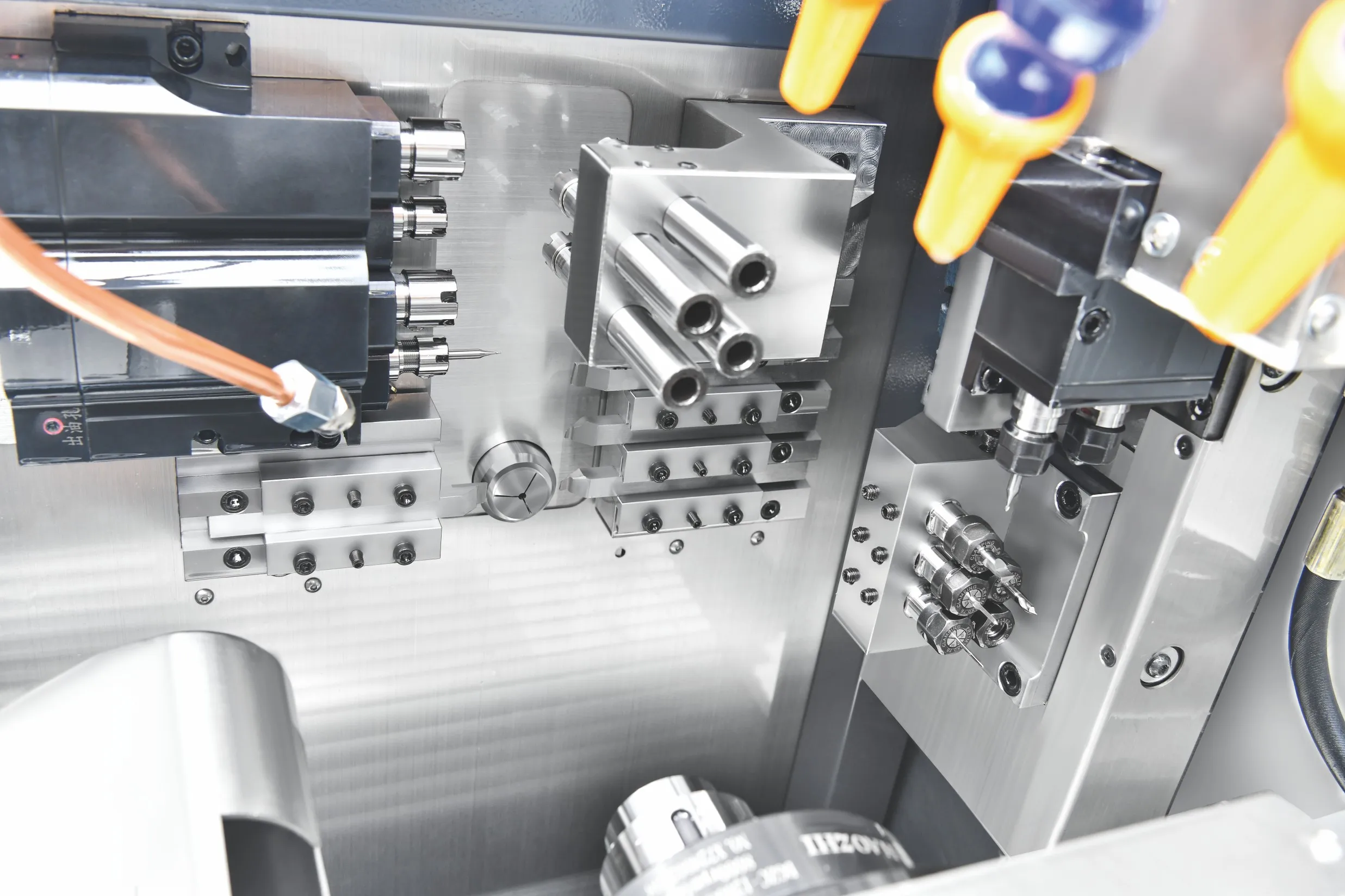
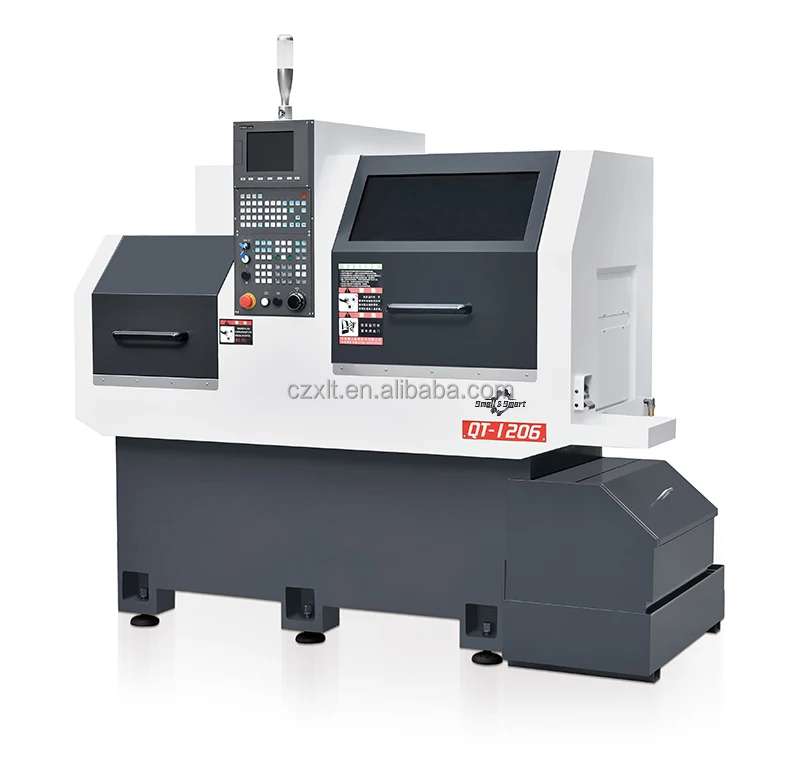
The QT-1206 Swiss Type/sliding Headstock CNC Lathe for Metal is presented as a CNC turning platform for small metal parts. The supplied description identifies a main spindle, an auxiliary spindle, side-milling power heads, a back-axis workflow, and a secondary-spindle Y-axis. These are useful starting points for a process review, not promises about every part. A sound selection begins with the drawing, material, feature list, tolerance requirement, batch size, and intended tooling. When those inputs are known, the machine can be assessed against the actual operation rather than against a headline figure alone.
The product information states that its back axis can process the front and back sides of a part in one go. That arrangement may reduce handling between compatible operations, but results depend on part geometry, programming, workholding, tool access, and cutting conditions. The point is practical: coordinate operations when the process allows it, then verify the plan with the supplier. It is not a substitute for a cycle-time study or a sample-part review.
The source lists model QT-1206, a maximum machining diameter of 12 mm, a maximum clamping diameter of 12 mm, and a main-spindle bore diameter of 15.1 mm. Main-spindle speed is listed as 0–6000 rpm with 2.5 kW spindle motor power. The secondary spindle is listed at 0–8000 rpm with 1.5 kW spindle motor power. These figures define the stated machine envelope, while final suitability must still be confirmed for the workpiece, material, tool package, and planned operation.
| Item | Stated value |
|---|---|
| Model | QT-1206 |
| Maximum machining diameter | 12 mm |
| Main spindle speed | 0–6000 rpm |
| Main spindle bore | 15.1 mm |
| Main spindle motor | 2.5 kW |
| Secondary spindle speed | 0–8000 rpm |
| Secondary spindle motor | 1.5 kW |
| X1 / Y1 / Z1 travel | 100 / 175 / 180 mm |
| X2 / Z2 travel | 600 / 220 mm |
| Repeat positioning, X and Z | 0.002 mm |
| Minimum moving unit | 0.001 mm |
| Dimensions | 1800 × 1000 × 1570 mm |
| Weight | 1600 kg |
| Control | Syntec/LNC optional |
The main and auxiliary spindles are described as having side-milling power heads for side drilling, tapping, and milling. This expands the discussion beyond simple turning. For a small component with turned diameters and accessible side features, the process can be evaluated as a coordinated route. The available product text also lists one to four power heads, six 10 × 10 square-knife positions, and Φ16 drilling-tool-holder entries. Because separate entries may identify alternatives or configuration details, a buyer should obtain a confirmed layout for the intended machine.
The secondary spindle is described as having a Y-axis. In technical terms, an axis has value only where the part geometry and planned tool path need it. This machine should be compared with the drawing and operation sequence instead of being selected only by a broad feature checklist. Configuration level is not automatically a better answer; the appropriate configuration is the one that supports the required work without adding unused complexity or avoidable setup work.
The QT-1206 Swiss Type/sliding Headstock CNC Lathe for Metal may suit small-diameter metal-part work within the stated 12 mm capacity when turning is combined with side drilling, tapping, or milling. It may also be considered where a front/back process route can use the stated back-axis arrangement. These are application directions rather than guaranteed production outcomes. Material grade, surface-finish requirement, tolerance, bar condition, tool design, and fixture concept will influence the finished result. A high spindle-speed figure alone is not a sufficient selection criterion.
For example, a buyer preparing a quotation can send a drawing, material grade, workpiece dimensions, target tolerances, annual volume, and a description of the needed secondary features. That information permits a more useful technical conversation about tool access and process sequence. It also avoids relying too heavily on a parameter table. The listed accuracy figures provide useful context, but acceptance conditions and the measurement method should be agreed for the project before purchase.
Before releasing a production program, review the selected collet or guide-sleeve arrangement, the tool overhang, and the access needed for each drilled, tapped, or milled feature. Confirm that the planned material and bar condition are appropriate for the process. Review electrical supply, floor space, transport access, operator training, and measurement practice as part of installation planning. Where a drawing calls for a specific feature sequence, provide that sequence during the technical enquiry. A documented review helps distinguish source-listed capability from the exact machine, tooling, and acceptance package needed for the order. It also gives both parties a clearer basis for setting up trials and documenting any requested options.
The source lists a guide sleeve model 1113 with “Rotate,” X1/Y1/Z1 motor power of 0.75 kW, X2/Z2 motor power of 0.75 kW, a 0.75 kW power head, and one to two 0.4 kW power heads. It also lists Syntec/LNC as an optional system. Confirm which entries apply to the requested configuration. Verify the guide-sleeve arrangement, control choice, tooling, electrical requirements, installation space, and commissioning scope in writing. This preserves a clear distinction between product-page information and the final ordered machine.
The QT-1206 Swiss Type/sliding Headstock CNC Lathe for Metal is differentiated by its documented combination of turning, secondary-spindle capability, side power heads, and source-listed motion data. It is best used as a technical comparison point: match the documented functions to the part, then confirm configuration and acceptance details. For allocated SEO reference only, this page includes cnc machine setup, cnc machine calibration, xyz mini mill, and drum dokter brake lathe. Those phrases do not describe the machine, its standard equipment, or its intended application.



 EN