product-qt-1206---swiss-type/sliding-headstock-cnc-lathe-for-metal813, product-qt-1206---swiss-type/sliding-headstock-cnc-lathe-for-metal813, /swiss-type-cnc-lathe
EN
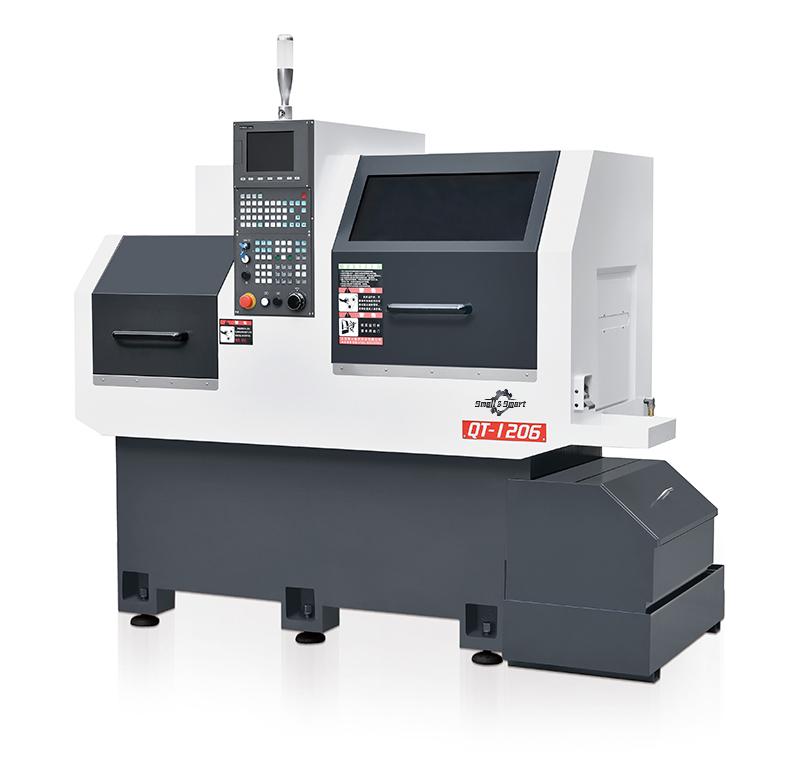
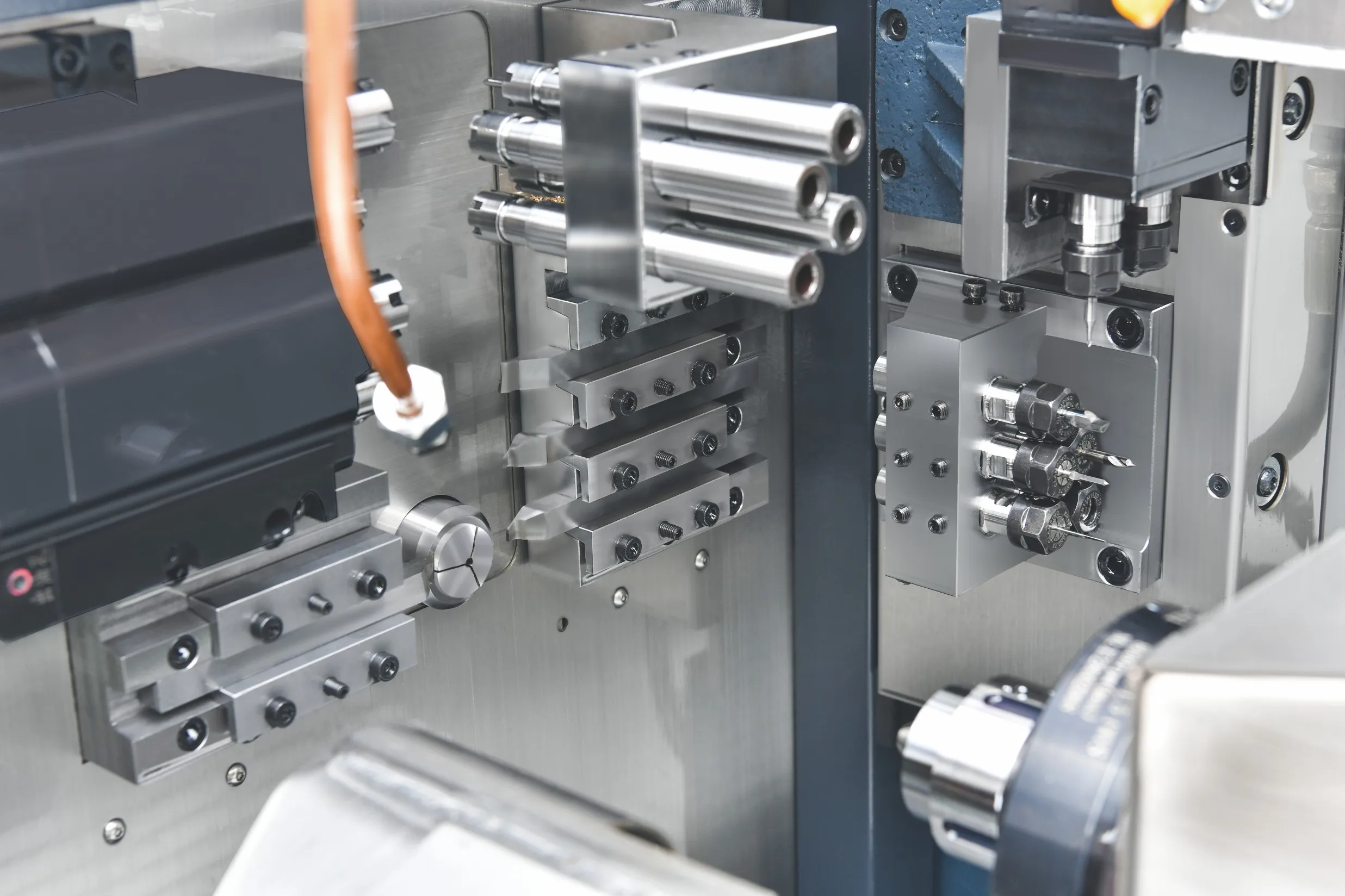
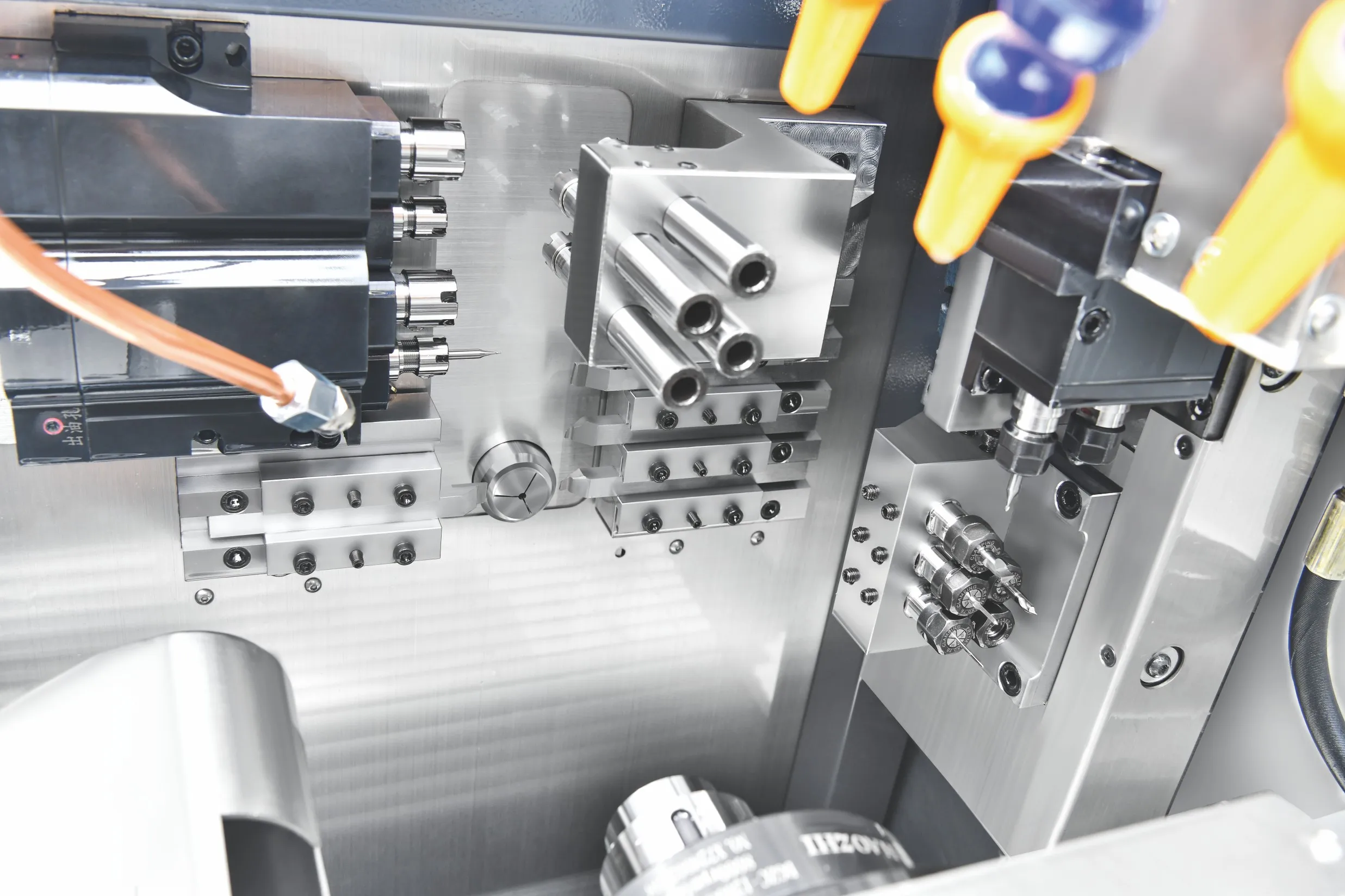
The QT-1206 Swiss Type/sliding Headstock CNC Lathe for Metal is a compact platform for planned turning of small metal components. Its listed maximum machining diameter and maximum clamping diameter are both 12 mm. This boundary is useful when reviewing parts such as pins, connectors, fittings, fasteners, and other small turned workpieces. The machine should be assessed against the actual drawing, material, blank form, tolerances, and production sequence before an order is placed.
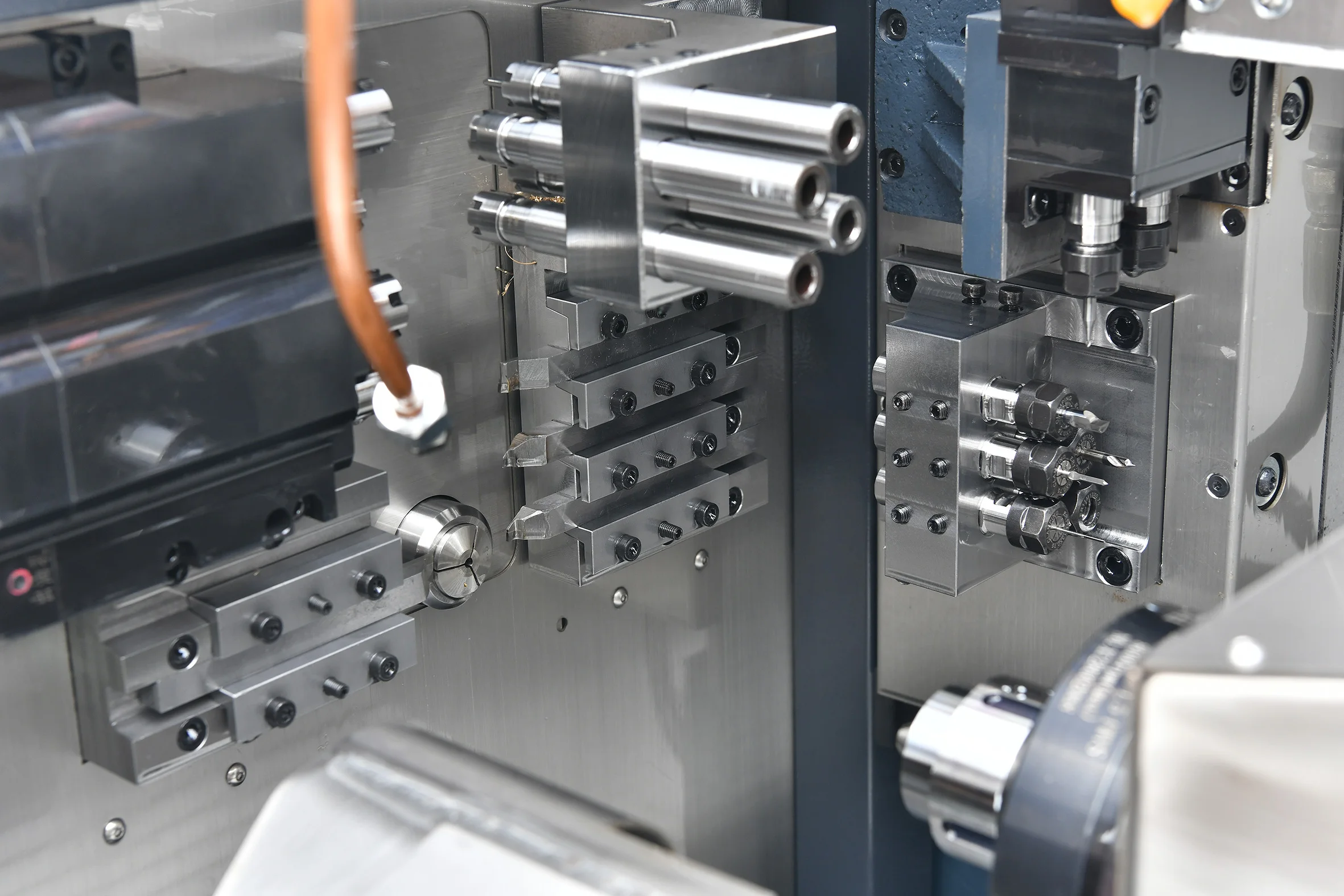
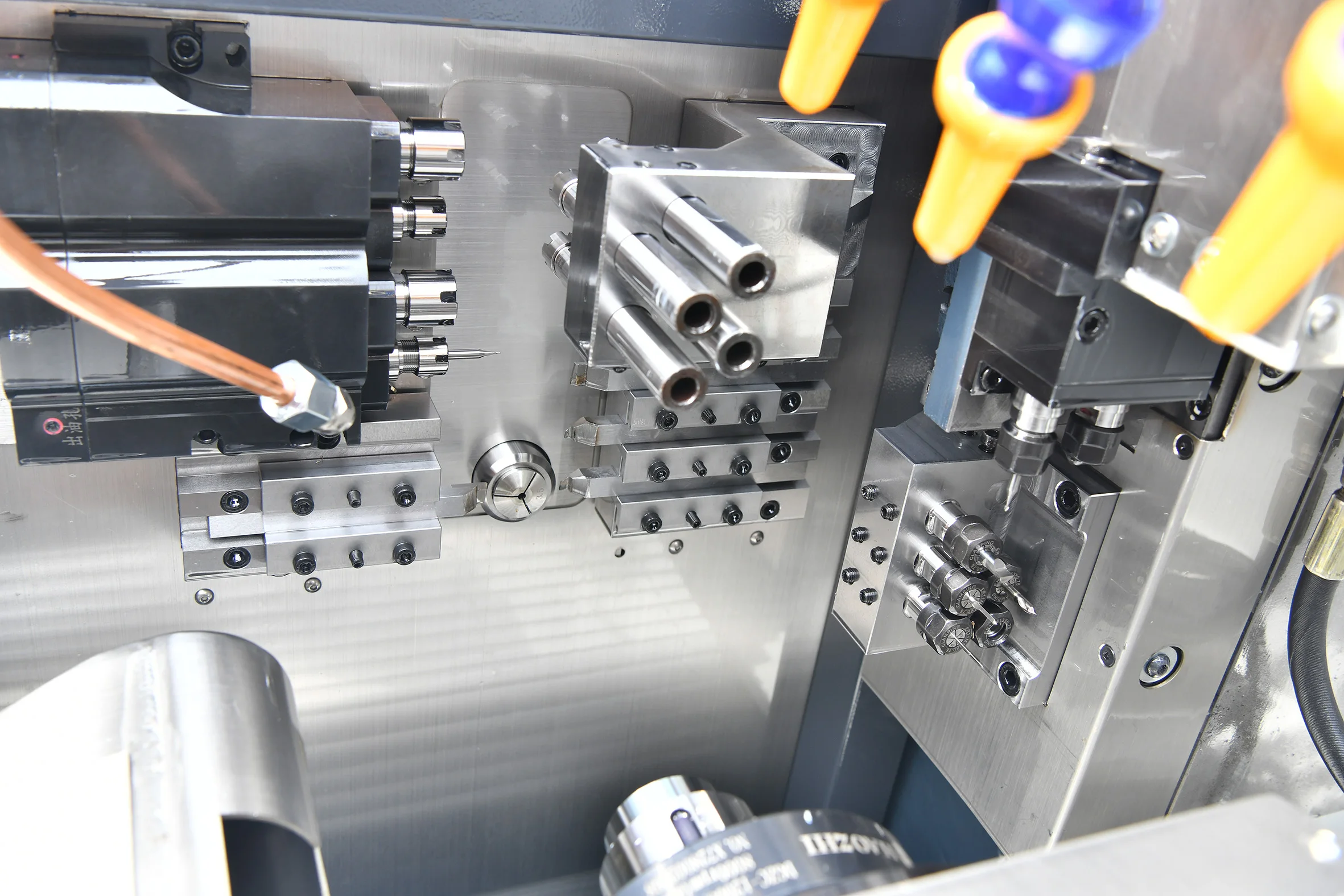
For the QT-1206 Swiss Type/sliding Headstock CNC Lathe for Metal, the documented configuration combines a main spindle with a secondary spindle arrangement. The supplied information also identifies a back axis for front- and back-side work in one setup. That can help a process engineer examine opportunities to reduce handling between operations. It is not a promise of a particular cycle time, because tooling, part support, cutting conditions, and program design determine the result for each component.
| Item | Listed value |
|---|---|
| Model | QT-1206 |
| Maximum machining diameter | 12 mm |
| Main spindle speed | 0–6000 r/min |
| Secondary spindle speed | 0–8000 r/min |
| Main spindle bore | 15.1 mm |
| Main / secondary motor | 2.5 / 1.5 kW |
| Weight | 1600 kg |
| Overall dimensions | 1800 × 1000 × 1570 mm |
| Repeat positioning, X and Z | 0.002 mm |
These values describe supplied product information for the QT-1206 Swiss Type/sliding Headstock CNC Lathe for Metal. They are a starting point for selection, not a substitute for application validation. The listed minimum moving unit is 0.001 mm, while X- and Z-axis repeat positioning accuracy is stated as 0.002 mm. A buyer should confirm how those figures apply to the quoted build, the selected controller, the actual workpiece, and the agreed acceptance procedure.
The QT-1206 Swiss Type/sliding Headstock CNC Lathe for Metal may be relevant where a component needs turning followed by a cross hole, tapped feature, milled flat, or another secondary operation. Confirm the required tool count and tool orientation rather than assuming every listed option is included. The source also mentions guide sleeve model 1113 with “Rotate”; the exact guide-sleeve arrangement, collet interface, and compatibility with the part should be verified in the technical proposal.
Many small-part machining issues are caused by workholding, tool reach, or chip control rather than by a nominal machine specification. Review the blank length, support arrangement, cutting-tool overhang, coolant plan, and inspection access. For a thin or long component, consider how clamping force and support affect finish and stability. For a part with several secondary features, map each operation to the proposed powered-tool layout before deciding that the configuration is suitable.
When comparing the QT-1206 Swiss Type/sliding Headstock CNC Lathe for Metal with another small-part solution, start with the required finished diameter and process route. Then review whether front-side and back-side operations can be organized around the main and secondary spindle arrangement. A high listed speed does not automatically make a setup better; the best choice depends on material, tool selection, desired finish, and the stability of the complete process. This is especially important for recurring work where consistent setup and inspection matter.
This machine can be considered for small metal components that combine turning with drilling, tapping, or side milling. Possible discussions include precision shafts, fittings, connector parts, and compact fasteners. These examples describe categories for evaluation, not guaranteed applications. Send representative drawings, material details, target volumes, and inspection requirements to the supplier for a documented feasibility review.
The QT-1206 Swiss Type/sliding Headstock CNC Lathe for Metal provides a factual basis for that discussion: a compact 12 mm working range, stated main and secondary spindle ranges, listed powered-tool functions, and a secondary Y-axis. The final suitability depends on the proposed build. If the project involves special automation, unusual workholding, or nonstandard tooling, obtain a written configuration list and check interfaces before committing.
Before release, confirm the controller option, power-head quantity, guide-sleeve arrangement, electrical requirements, guards, accessories, documentation, commissioning scope, and delivery terms. Plan installation around the stated dimensions and 1600 kg weight, while allowing for service clearance and site conditions. Agree sample parts, inspection methods, and acceptance criteria in advance. A clear quotation-level record is more reliable than relying on a general product-page description.
In short, the QT-1206 Swiss Type/sliding Headstock CNC Lathe for Metal should be selected for a verified part family rather than for a headline claim. Use the documented specifications to narrow the review, then validate tooling, fixtures, material behavior, and operation sequence with the supplier. This balanced approach protects both production planning and procurement decisions.
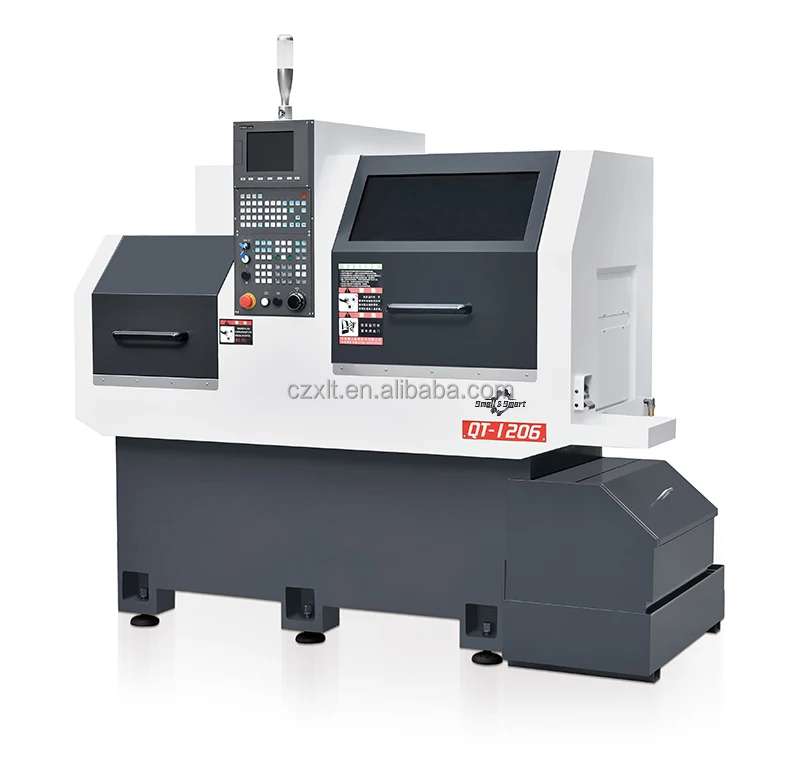
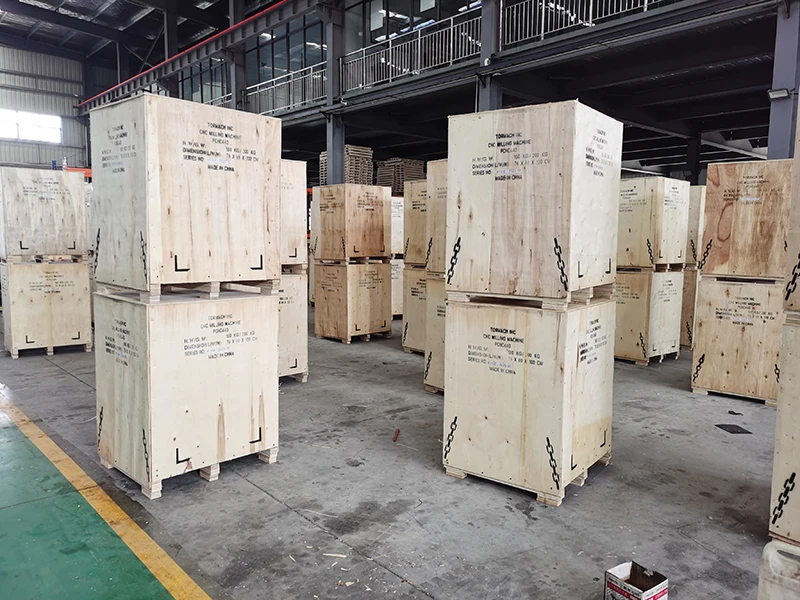


Installation planning should include floor space, access for delivery, electrical supply, coolant arrangements, chip handling, and service clearance. The listed dimensions provide a preliminary layout reference, but the surrounding work area matters as much as the machine footprint. Discuss site preparation with the supplier and installation team before shipment, especially when the intended layout includes bar feeding, automation, inspection equipment, or an enclosed material-flow area.
For repeat production, record the approved collets, tools, offsets, programs, material grades, and inspection points for each part family. This does not create capability by itself, but it helps a shop evaluate the quoted configuration against the routine work it expects to run. Where an optional feature is important, ask for it to appear clearly in the final build sheet rather than relying on a general feature list.
A practical decision balances the documented machine arrangement with the needs of the parts actually scheduled for production. Request clarification before purchase whenever an operation, interface, or accessory is not explicitly identified in the proposal.

 EN