product-sbm100-cylinder-boring-machine-machine-automobile-repair-machine, product-sbm100-cylinder-boring-machine-machine-automobile-repair-machine, /auto-maintenance-repair463
EN
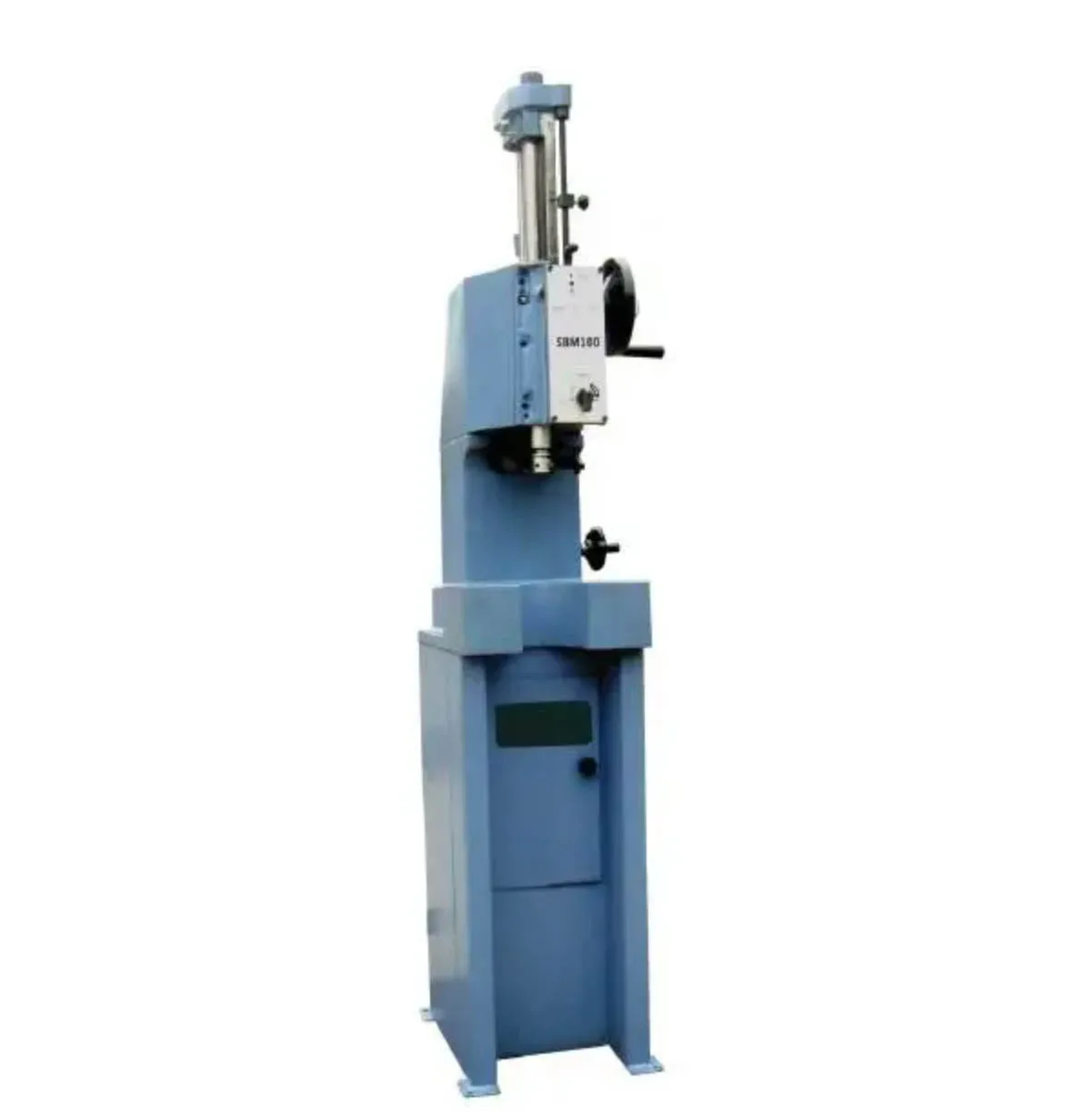
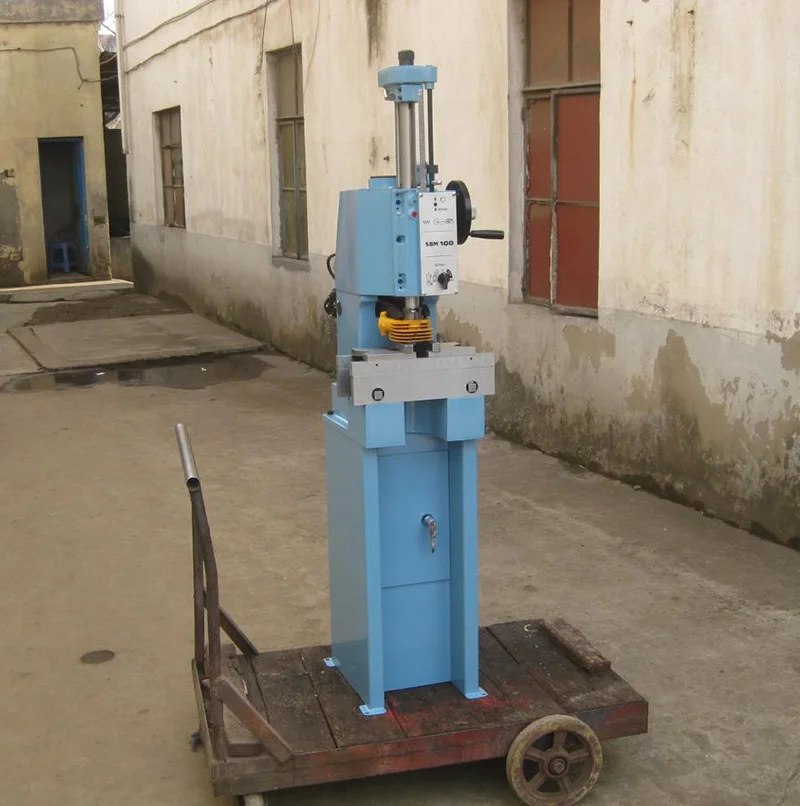
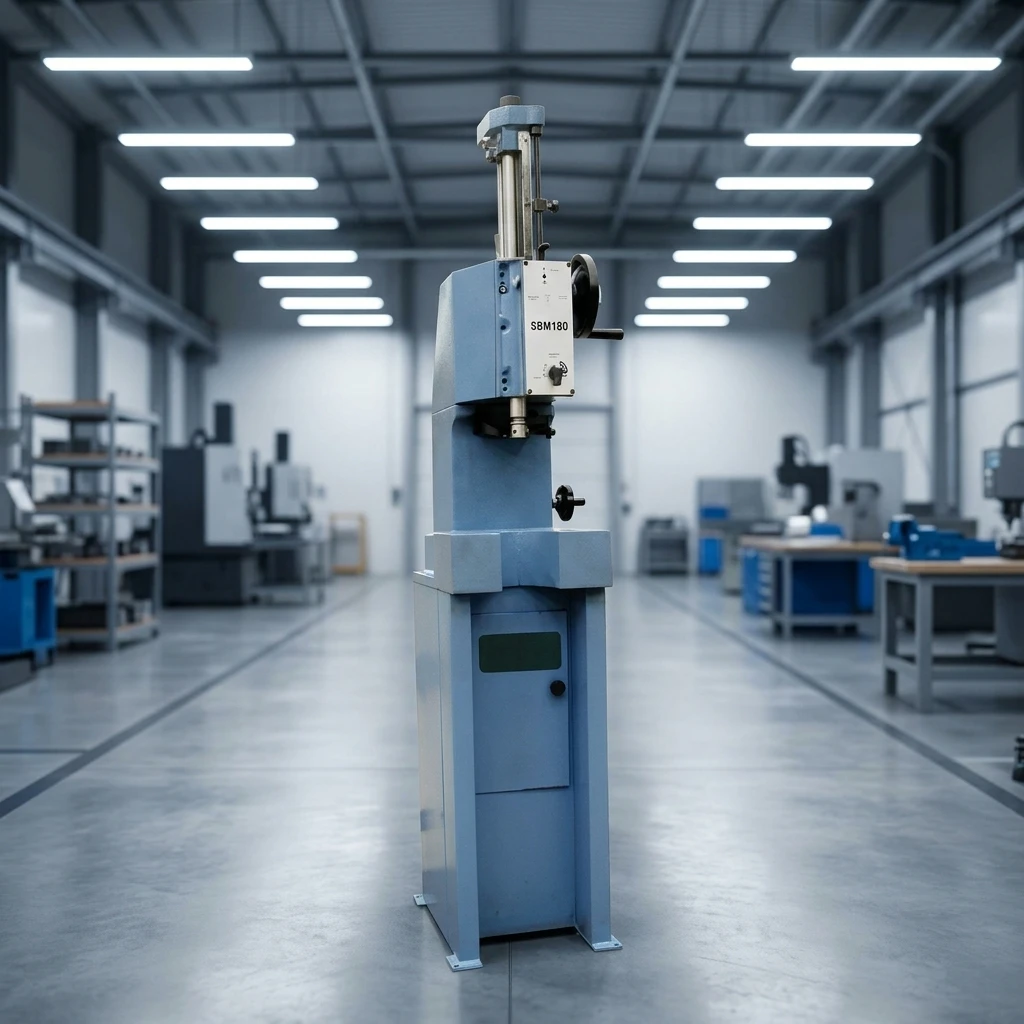
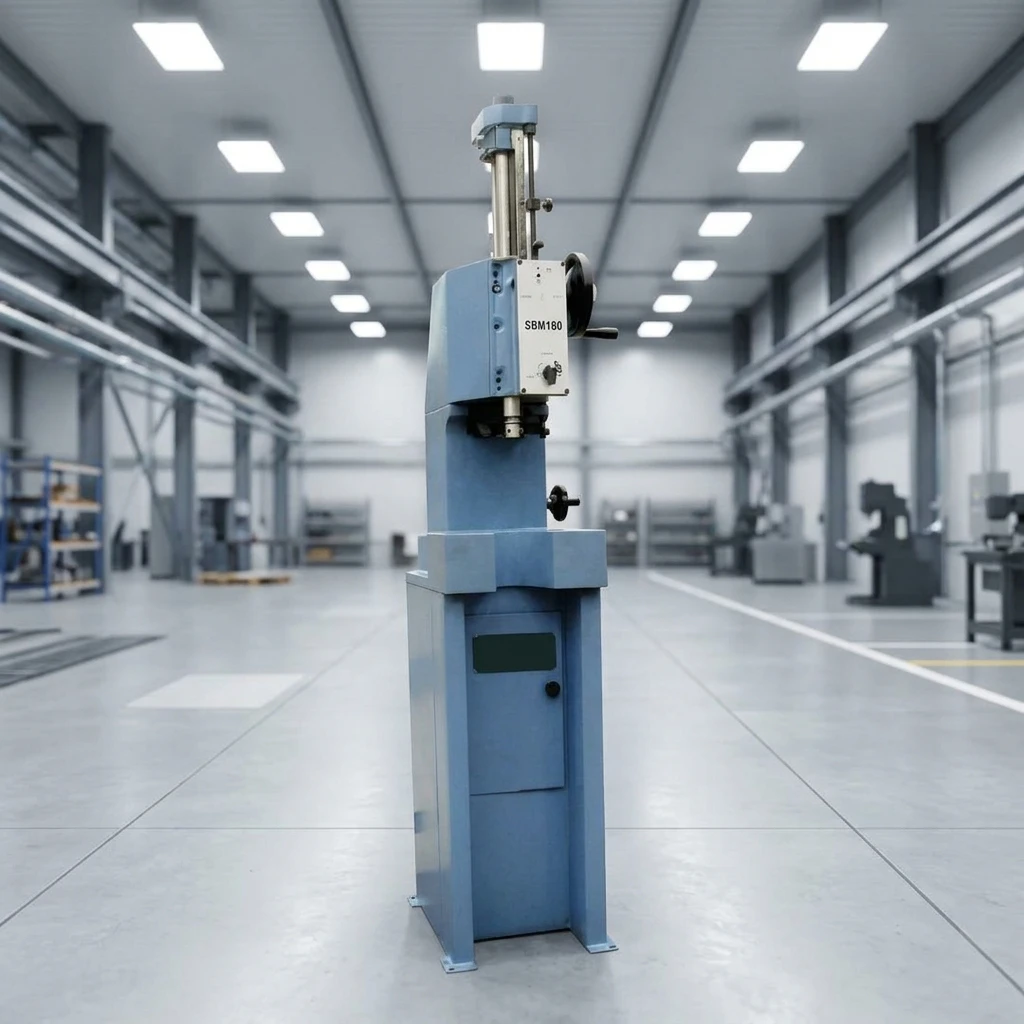
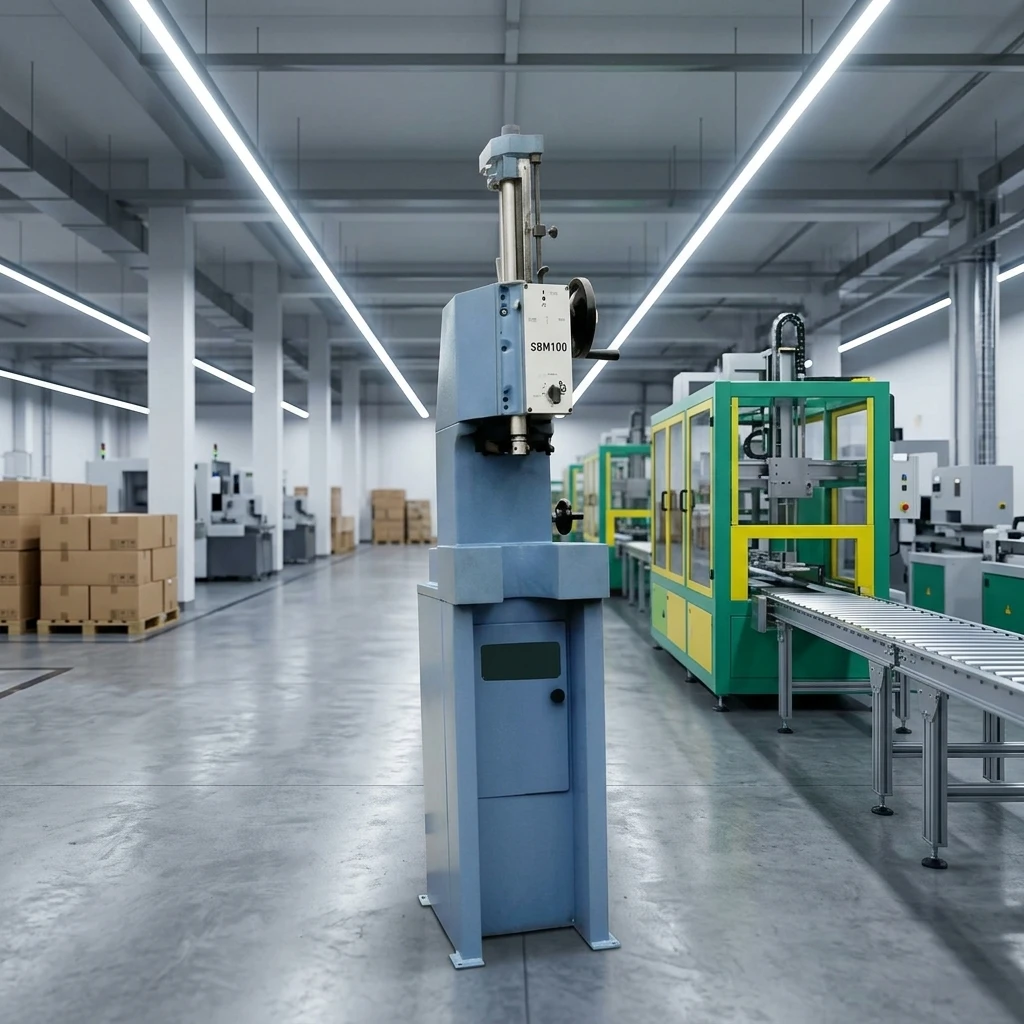
The SBM100 CYLINDER BORING MACHINE MACHINE AUTOMOBILE REPAIR MACHINE is a vertical workshop machine intended for reboring compatible engine cylinders. The supplied product information positions it for automobile, motorcycle, and middle or small tractor repair work. It is best assessed as a defined-capacity machine rather than as a universal answer for every engine. A workshop should compare its usual repair jobs with the published bore range, depth requirement, workholding method, tooling, and electrical supply before committing to a configuration.
From a mechanical-engineering selection perspective, the important question is not simply whether a cylinder boring machine is available. The useful question is whether its published working range matches the actual cylinders that arrive in your shop. Many buyers start with the spindle speed or a broad machine label, but cylinder diameter, bore depth, fixture arrangement, cutting tool condition, measurement practice, and operator procedure have a more direct effect on whether a proposed setup is appropriate. The SBM100 CYLINDER BORING MACHINE MACHINE AUTOMOBILE REPAIR MACHINE provides stated capacity information that can support that evaluation.
| Item | Listed specification |
|---|---|
| Boring diameter | 36–100 mm |
| Maximum boring depth | 210 mm |
| Spindle speed series | 2 steps |
| Spindle return | Manual |
| Spindle feed | 0.076 mm/rev |
| Spindle speed | 200/400 rpm for the listed three-phase version; 223/312 rpm for the listed single-phase version |
| Main motor power | 0.37/0.25 kW for the listed three-phase version; 0.25 kW for the listed single-phase version |
| Voltage | 3-220/3-380 V or 1-220 V, depending on configuration |
| Frequency | 50/60 Hz |
| Net/gross weight | 120/168 kg |
| External dimensions | 720 × 390 × 1700 mm |
These figures are published equipment information, not a substitute for a workpiece and site check. Electrical specifications are configuration-dependent. Confirm the motor version, voltage, frequency, wiring requirements, and supplied equipment with the seller before ordering or installing the machine.
Higher speed is not automatically better for every repair task. Cylinder material, existing bore condition, rigidity, cutting tool selection, coolant practice where applicable, and required finish all influence a process. Likewise, a higher configuration is not necessarily the best fit. If your regular work falls within the listed diameter and depth limits, the SBM100 CYLINDER BORING MACHINE MACHINE AUTOMOBILE REPAIR MACHINE may be worth evaluating. If the work requires a different capacity, automation level, or electrical arrangement, request a configuration review instead of assuming compatibility.
For compatible automobile engine cylinders, the machine can be considered as part of a measured reboring workflow. The product description identifies automobile repair as an intended application. Before setup, verify the actual cylinder dimensions, fixture compatibility, available cutting tools, measurement equipment, and the process requirements for the particular engine.
Compatible motorcycle cylinder work is also listed in the supplied materials. A workshop handling this work should confirm the cylinder is within the stated range and that its clamping, alignment, and tooling plan are appropriate. The machine listing does not establish automatic compatibility for every motorcycle engine or cylinder construction.
The stated application context includes eligible middle and small tractor engine cylinders. Here again, the cylinder must be checked against the published 36–100 mm diameter range and 210 mm depth limit. A specific repair outcome depends on verified dimensions, process control, and trained operation rather than on the product name alone.
A sensible purchasing process starts with the jobs the workshop actually receives. List representative bore diameters and depths, identify the electrical supply available at the installation point, and review how the cylinder will be held and measured. Manufacturer specifications are a reference starting point; an informed purchase decision also needs confirmation of the actual configuration, included accessories, and local installation conditions.
Prepare the site before delivery. Review floor conditions, access routes, space around the machine, handling equipment, ventilation, and power connection planning. The listed dimensions and weights help establish an initial plan, but local requirements may differ. If your priority is fitting a defined range of engine-cylinder repair work, focus first on verified capacity and configuration. If your priority is broader coverage, compare those needs with the supplier rather than inferring capability beyond the supplied information.
The SBM100 CYLINDER BORING MACHINE MACHINE AUTOMOBILE REPAIR MACHINE is most useful when its verified specifications, tooling, and setup match the repair task. Correct alignment, secure workholding, appropriate tooling, dimensional measurement, and operator experience remain essential to the final result. Use the equipment only within confirmed capacity and follow suitable workshop safety practices.
Before any production work, inspect the cylinder for damage, measure the existing bore, and confirm the repair allowance permitted by the applicable service procedure. Set the workpiece securely, establish alignment, choose a suitable boring tool, and verify each adjustment with reliable measuring instruments. After machining, inspect dimensions and surface condition according to the workshop's approved process. These practical checks do not add machine capacity; they help the operator determine whether the selected setup and verified configuration are suitable for the specific repair case.


Contact the supplier with your target cylinder dimensions, local power supply, intended application, and accessory requirements. Ask for confirmation of the applicable configuration, included equipment, installation requirements, and any necessary fixture or tooling information before placing an order.

 EN