product-t8445-brake-disc-drum-lathe-machine-for-car, product-t8445-brake-disc-drum-lathe-machine-for-car, /auto-maintenance-repair463
EN
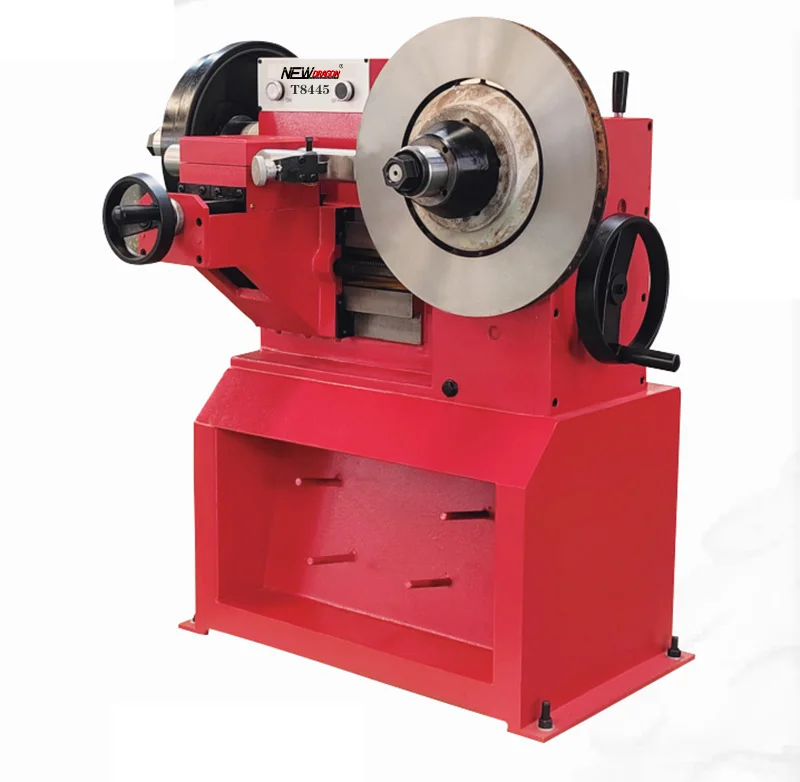
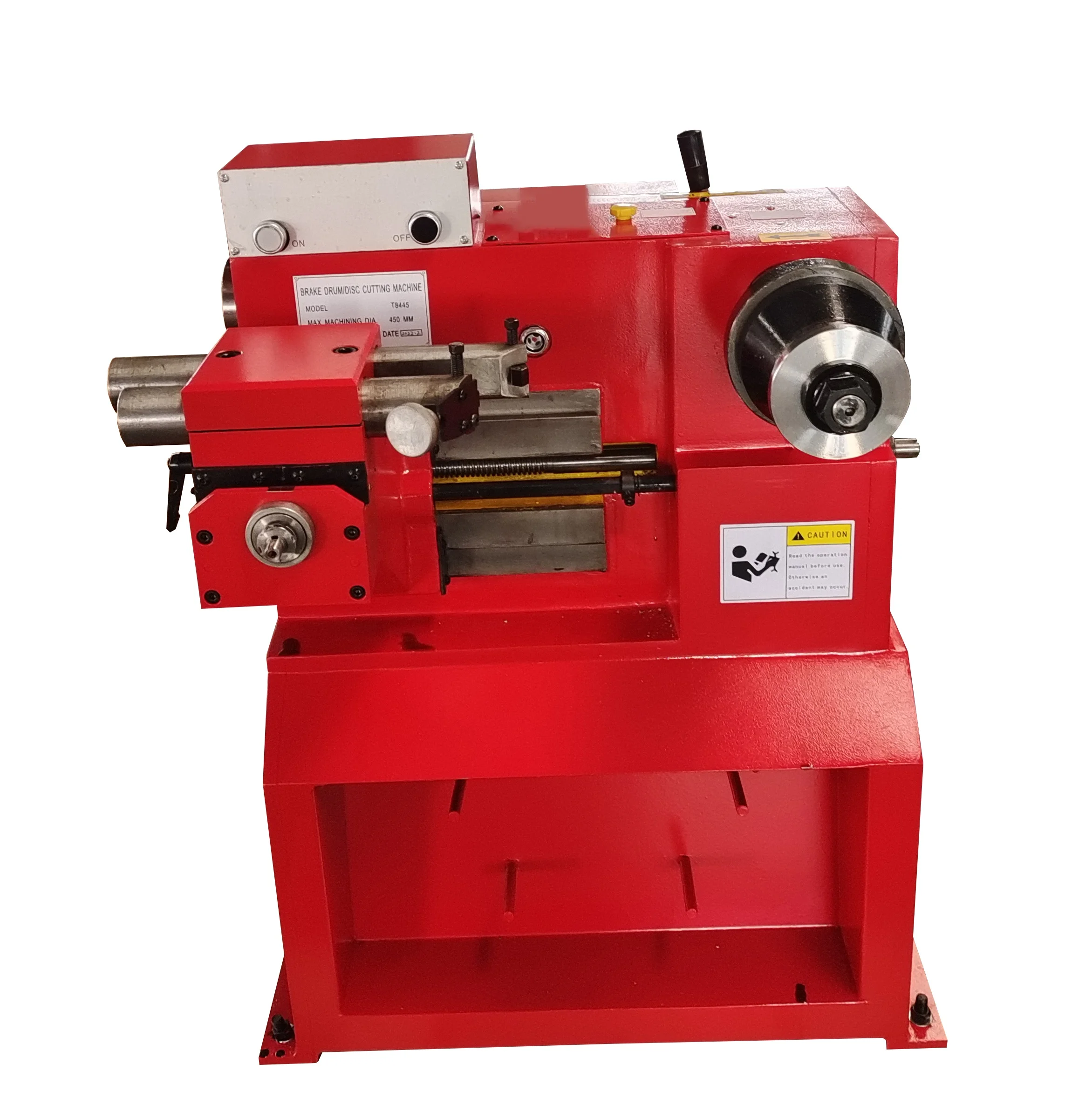
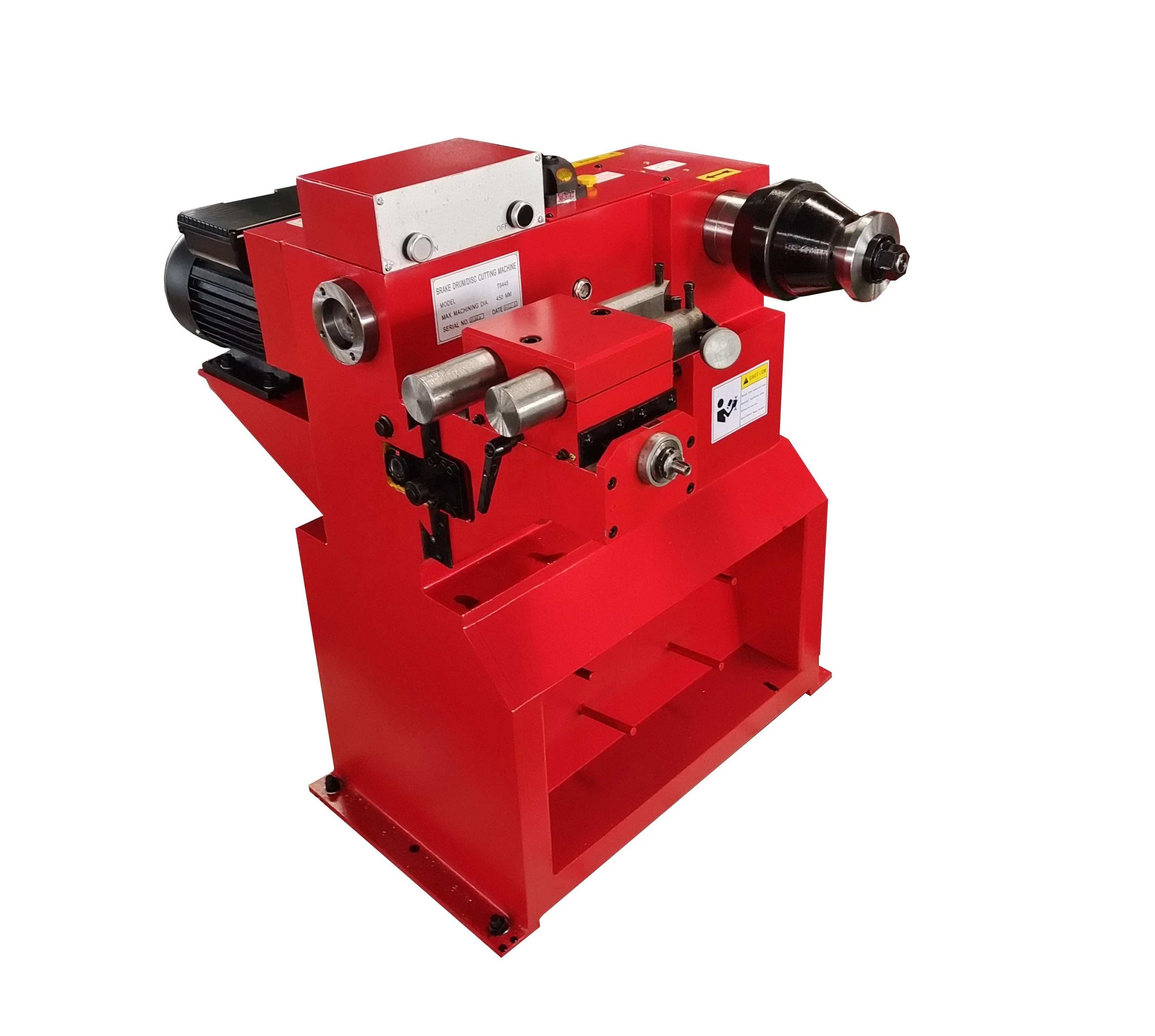
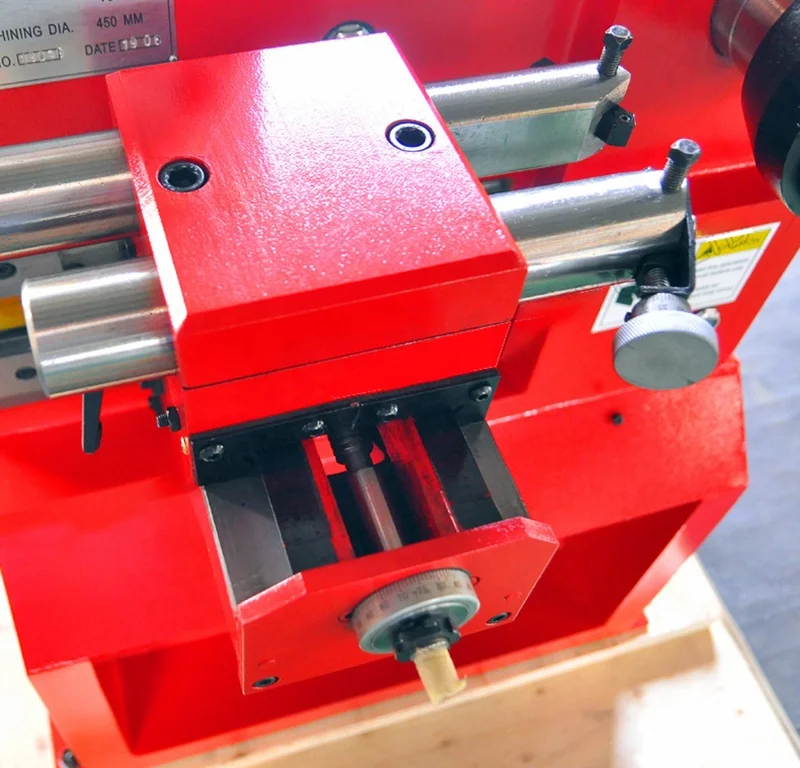
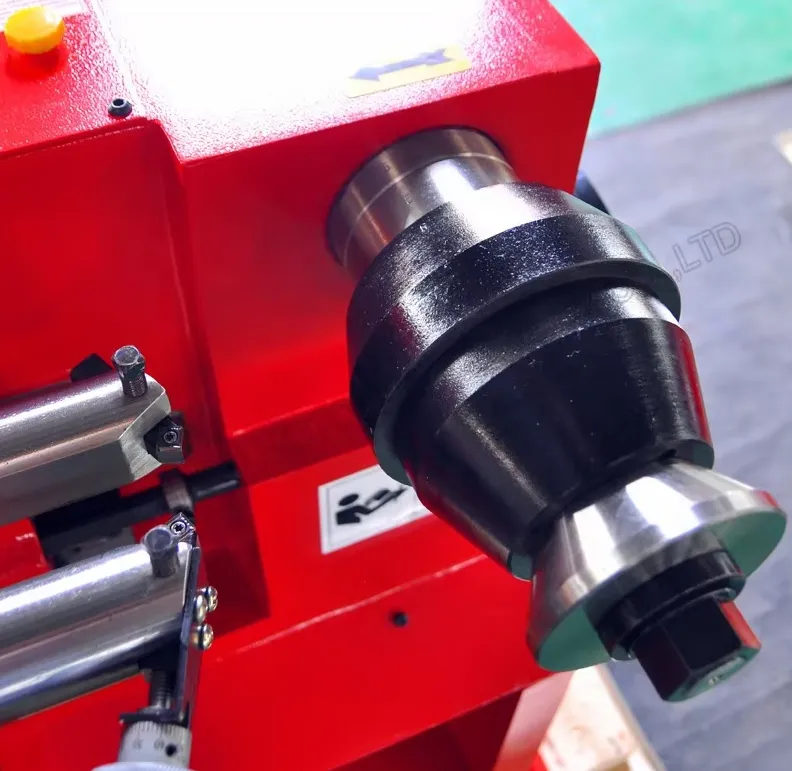
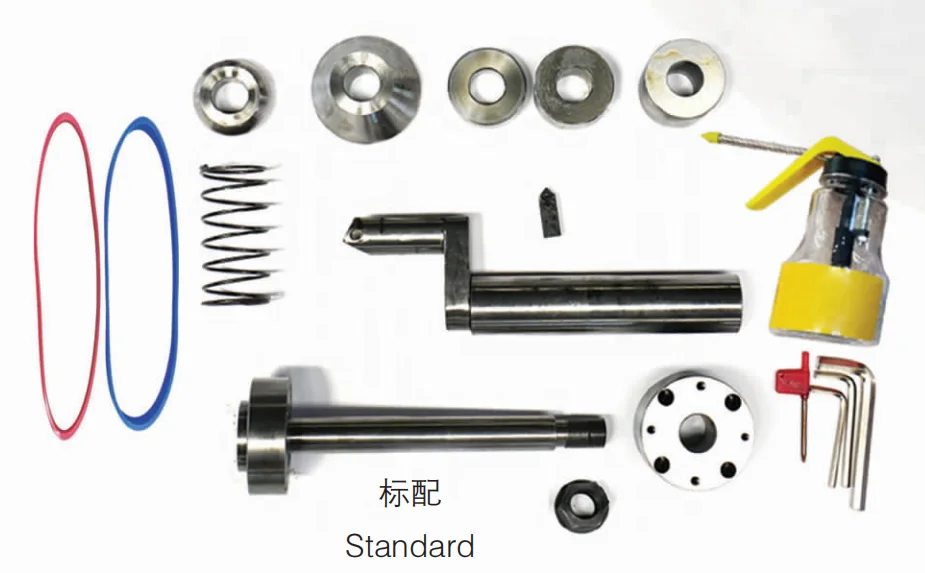
The T8445 Brake Disc Drum Lathe Machine for Car is a workshop brake-service lathe for machining medium and small brake drums and brake discs. It gives repair teams a compact, specification-led option when they need to restore braking surfaces within the machine’s stated capacity. The T8445 Brake Disc Drum Lathe Machine for Car is identified by the T8445 model designation and is presented for car brake-service work. Before selection, compare the actual workpiece diameter, mounting condition, and shop process with the published limits.

This T8445 brake lathe is intended for turning brake drums and brake discs during repair operations. Its stated processing range covers brake drums from 180 to 450 mm and brake discs or plates up to 420 mm in diameter. These dimensions are selection limits, not a substitute for confirming the vehicle part, fixture setup, wear condition, and local repair procedure. For a service shop, the useful question is not simply whether a lathe is available, but whether its capacity fits the parts routinely received.
The T8445 Brake Disc Drum Lathe Machine for Car supports feeding in either direction. That feature can help an operator organize a machining sequence around the workpiece and chosen setup. The machine also has an adjustable turning-depth limit with an auto-stop function. In practice, these controls should be used by trained personnel who can verify the cut, inspect the finished surface, and follow the applicable safety and brake-service requirements.

For this T8445 brake lathe, these points are most useful when read together rather than as isolated selling claims. A 450 mm maximum drum diameter may be relevant for one service profile, while the 420 mm disc limit may be the deciding constraint for another. Likewise, simultaneous facing can support an efficient workflow only when the component is correctly installed and the operation is suitable for the brake part being serviced.

| Item | Published specification |
|---|---|
| Brake drum processing diameter | 180–450 mm |
| Brake disc or plate diameter | Up to 420 mm |
| Workpiece rotating speed | 30 / 54 / 80 |
| Maximum tool travel | 170 |
| Feeding capacity | 0.16 / 0.30 |
| Motor power | 1.5 / 1.1 kW |
| Overall dimensions | 690 × 890 × 880 mm |
| Packing dimensions | 900 × 870 × 1000 mm |
| Weight | 260 / 290 kg |
Some source-table entries do not state units, including the listed speeds, tool travel, and feed values. The T8445 Brake Disc Drum Lathe Machine for Car should therefore be specified against the supplier’s current technical documentation before purchase, installation, or process approval. This is a sensible verification step rather than a limitation of the machine: service equipment must match the operator’s workpieces, power arrangement, and maintenance plan.

Where the workpiece falls within the 180–450 mm stated drum range, the T8445 brake lathe can be considered for brake drum repair work. Inspect the drum and follow the applicable service limits before machining. The machine description does not replace the vehicle maker’s specifications or a qualified technician’s judgment.
For brake discs or plates up to 420 mm, the T8445 brake lathe offers a defined capacity reference. The published material notes that both disc faces can be turned simultaneously. Confirm that the particular disc design, thickness condition, and required finish make resurfacing appropriate before proceeding.
A workshop handling routine brake-service jobs may value the machine’s directional feed and adjustable depth limit. However, the right setup depends on workload, operator practice, tooling condition, and the physical arrangement of the service area. If your shop handles larger parts or requires features not stated here, verify requirements before choosing equipment.

The T8445 brake lathe is best evaluated from the workpiece outward. Start with the brake drum and disc diameters you actually service. Then check clearance, fixture needs, electrical requirements, operator training, and the planned inspection process. It can be tempting to focus only on a single headline dimension; a more reliable approach is to match the complete workflow to the documented machine capacity.
This T8445 brake lathe is differentiated by a focused combination of drum and disc machining capacity, bidirectional feeding, adjustable depth limiting with auto stop, and simultaneous disc-face turning stated in the source material. It is not presented here as a universal solution for every vehicle or brake component. That boundary is important: fit should be verified for each intended application.
Use the packing dimensions of 900 × 870 × 1000 mm and the listed weight of 260 / 290 kg as planning references, while confirming the final shipping configuration with the supplier. Ask for the current accessory list, electrical details, installation guidance, operating instructions, and parts-support information. These checks help a buyer move from a product-page review to a purchase decision based on the actual equipment package.


Confirm tooling condition, workholding, electrical supply, and installation space with the supplier before commissioning.
Keep records of incoming part dimensions, completed inspection results, tooling changes, and routine maintenance. A simple documented process helps supervisors compare actual workshop conditions with the machine documentation and identify when specialist service, replacement tooling, or a revised setup may be needed.
The T8445 Brake Disc Drum Lathe Machine for Car provides published capacity for 180–450 mm brake drums and brake discs or plates up to 420 mm, along with bidirectional feeding, adjustable depth limiting, auto stop, and simultaneous disc-face turning. Review the stated specifications against your parts and process before ordering. For a cautious workshop buyer, that verification is the most direct way to determine whether the documented T8445 configuration fits the intended repair operation.



 EN