product-t8445a--brake-disc--and-drum--lathe-machine, product-t8445a--brake-disc--and-drum--lathe-machine, /auto-maintenance-repair463
EN
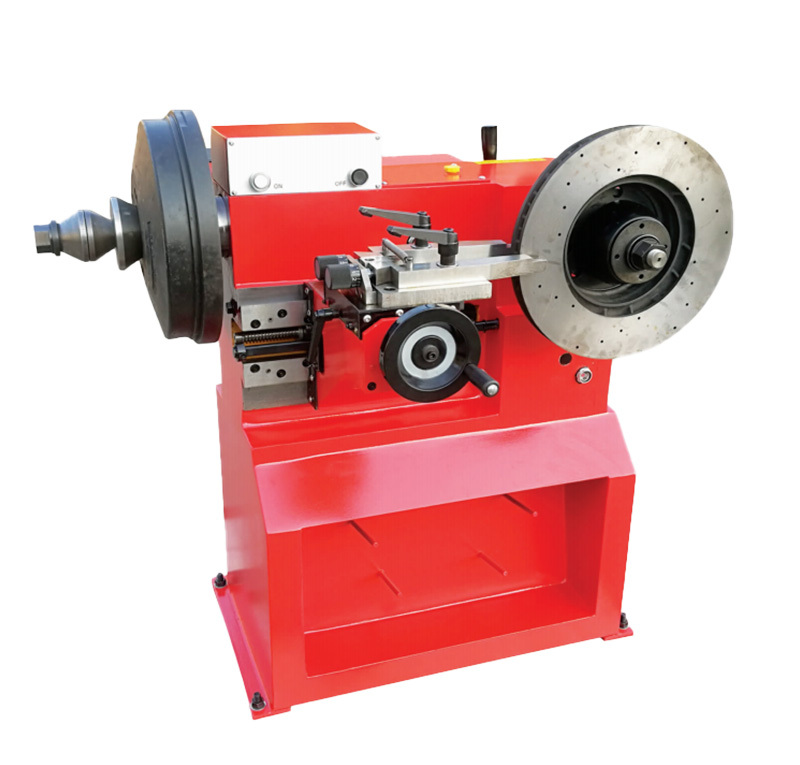
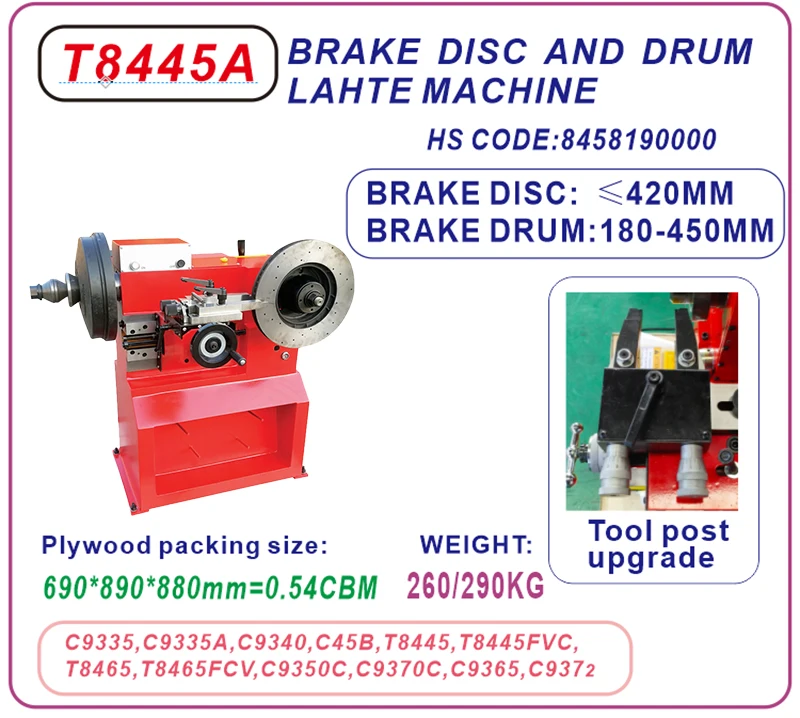
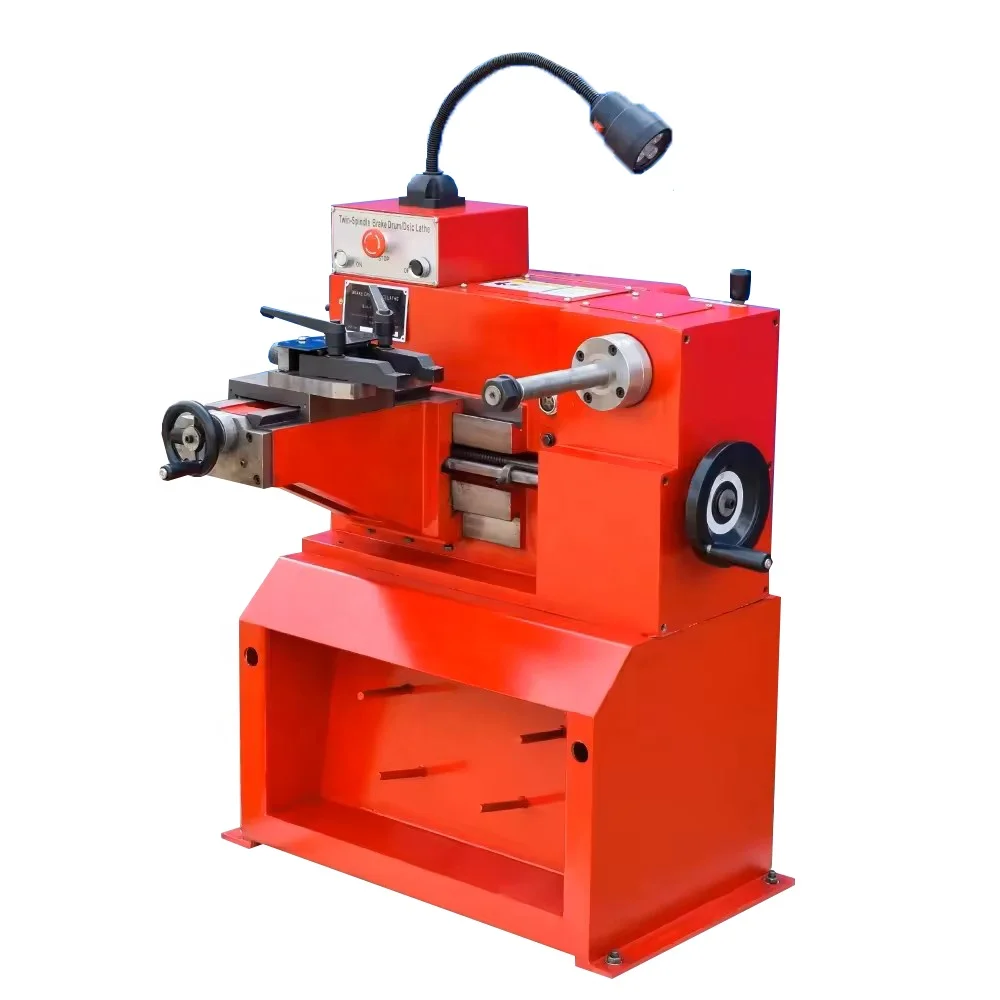
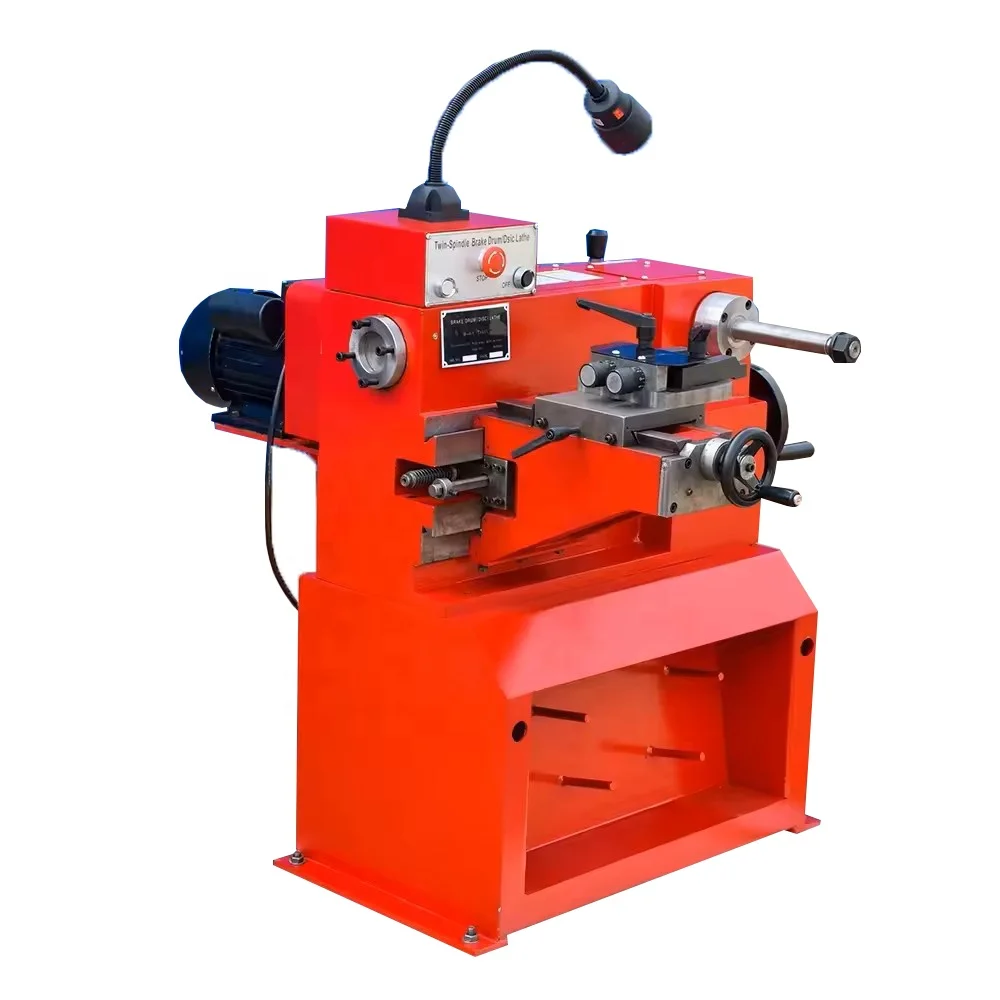
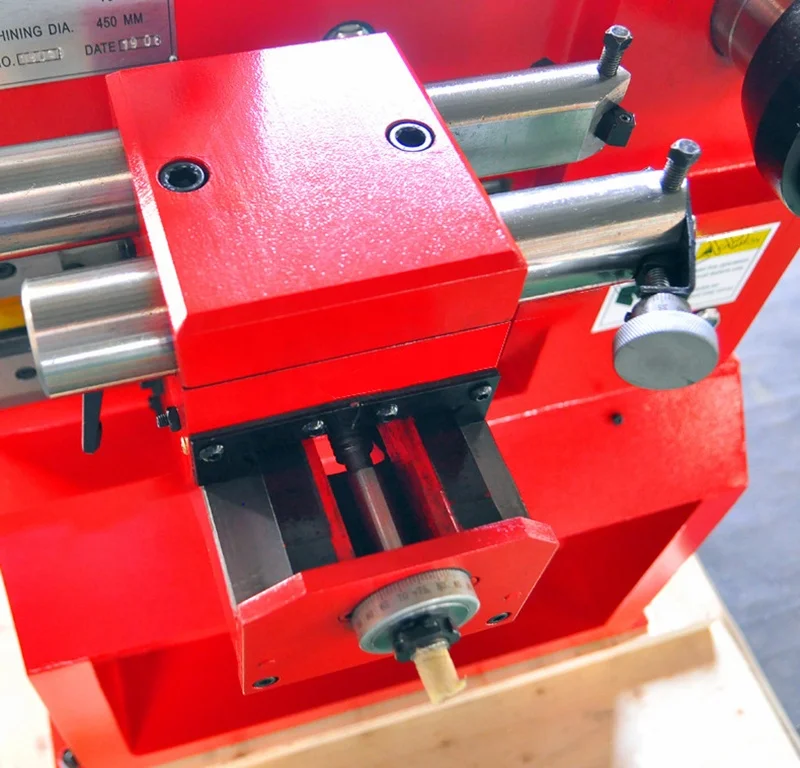
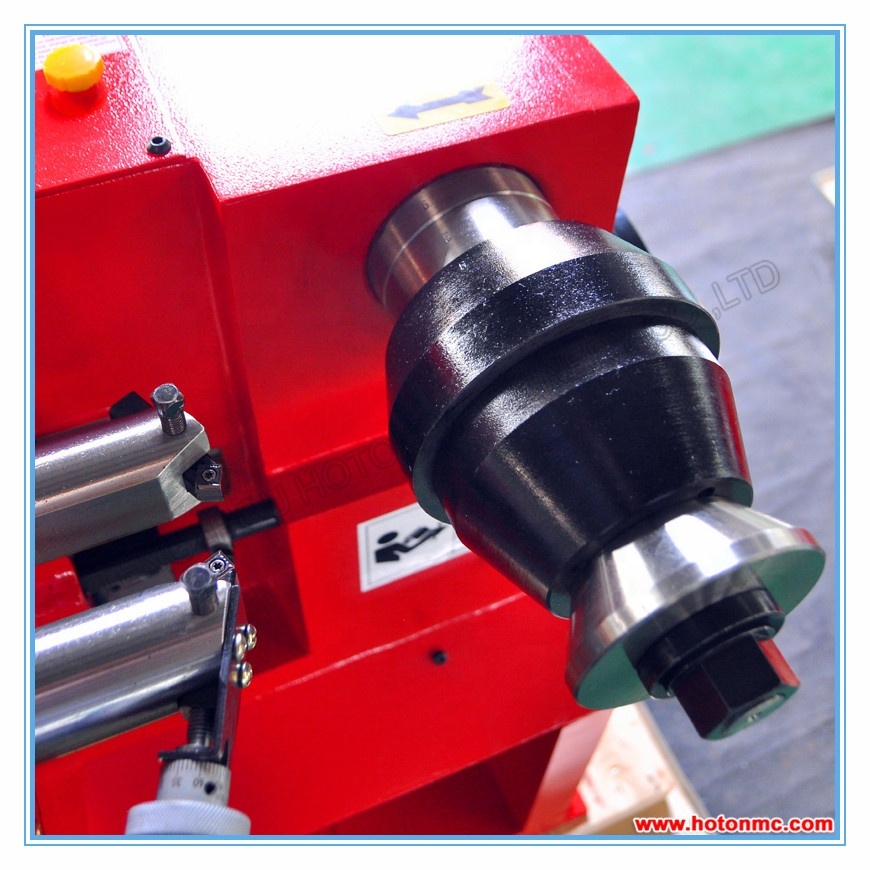
The this brake lathe is a dedicated workshop machine for resurfacing brake discs and brake drums within its stated capacity range. It is described as an upgraded version of the T8445, with an optimized tool post and a tool-post upgrade noted from November 2024. For a repair workshop, the practical value of a this brake lathe is not a broad promise about every brake job; it is a defined setup for supported passenger-vehicle disc and drum work. The supplied product information identifies SUV-car brake service and references luxury medium and off-road vehicles as example applications.
This this brake lathe is specified for brake drums from 180 to 450 mm in diameter and brake discs up to 420 mm in diameter. Those dimensions should be checked against the actual workpiece before purchase or setup. Capacity matching is more useful than simply choosing the most highly featured machine: the this brake lathe is intended for the stated range, while work outside that range requires separate confirmation. Verify the disc, drum, hub, fixture, and tooling arrangement together rather than relying only on a product name.

The this brake lathe provides three listed spindle speeds: 30, 54, and 80 rpm. It also lists two feed settings, 0.16 and 0.30 mm per revolution. These values give an operator defined operating choices rather than a single fixed condition. In real brake-service work, the appropriate selection depends on the component condition, tool condition, setup rigidity, and the resurfacing requirement. Higher speed is not automatically the better choice; the relevant question is whether the selected speed and feed suit the workpiece and tool setup.
For shops comparing a this brake lathe with a cnc lathe mill combo, the equipment roles should be kept distinct. A dedicated brake lathe is selected around brake-disc and drum resurfacing tasks, while a combo machine addresses a different general machining arrangement. Similarly, a rotary table for milling is not a substitute for the dedicated brake-work setup described here. Reviewing the intended component, holding method, and daily workflow helps avoid purchasing features that do not serve the actual repair process.

| Specification | T8445A listed value |
|---|---|
| Brake drum diameter capacity | 180–450 mm |
| Brake disc diameter capacity | ≤420 mm |
| Spindle speeds | 30, 54, 80 rpm |
| Tool-post travel | 170 mm |
| Motor | 1.1/1.5 kW |
| Feed settings | 0.16/0.30 mm/r |
| Overall dimensions | 690 × 890 × 880 mm |
| Net/gross weight | 260/290 kg |
The this brake lathe has listed overall dimensions of 690 × 890 × 880 mm and a listed net/gross weight of 260/290 kg. These figures help with layout and receiving planning, but they do not replace an on-site review of access, floor support, electrical requirements, lifting equipment, and safe installation conditions. The OCR material also refers to plywood packing and repeats the dimensions and weights. Confirm the final shipping and packing details with the supplier for the actual order.


A this brake lathe can be considered by automotive repair workshops handling supported brake discs and drums, vehicle-service centers that need a defined resurfacing station, and distributors building an automotive-service equipment range. For example, a workshop that regularly receives SUV brake components can first compare the component diameter with the stated range, then check the required fixture and tool arrangement. If the shop instead handles components beyond the listed range, it should request technical confirmation rather than assume compatibility.
When evaluating the this brake lathe, begin with the capacity figures and the type of brake work performed in the workshop. Then review the listed spindle settings and feed settings as part of the operating process, not as isolated sales points. Buyers researching lathe speeds and feeds should treat the published 30, 54, and 80 rpm plus 0.16/0.30 mm/r as machine settings, while determining the final operating choice from the specific job, tool, and procedure.
Before ordering a this brake lathe, verify fixture compatibility, because acquiring a machine without confirming the required workholding can introduce avoidable adaptation work. Confirm the included standard accessories and optional tooling for the exact order. Also review the site dimensions, transport route, power arrangement, installation method, and operator training plan. These checks make the stated machine data more useful in daily service conditions.

Confirm the order-specific accessory list and fixture compatibility before purchase.

The differentiating point of the this brake lathe is its focused brake-service configuration: stated disc and drum capacities, three spindle speeds, two feed settings, 170 mm tool-post travel, and the ability to turn two brake-disc faces simultaneously where applicable. The product is presented as an upgraded T8445 version with an optimized tool post. That combination offers a clear basis for technical discussion without claiming a result that depends on the particular component or operating conditions.
Use the this brake lathe specification table as a starting point for a disciplined selection review. Compare your brake component sizes with the 180–450 mm drum range and ≤420 mm disc limit, discuss the required setup with the supplier, and confirm all commercial and technical details for the intended market. With those checks complete, the this brake lathe provides a focused option for brake-disc and drum resurfacing within its documented operating envelope.


Final installation should follow the supplied documentation, local safety requirements, and the workshop’s established inspection and maintenance procedures carefully.

 EN