product-tu280-combination-variable-speed-lathe-and-milling-machine, product-tu280-combination-variable-speed-lathe-and-milling-machine, /combination-machine
EN
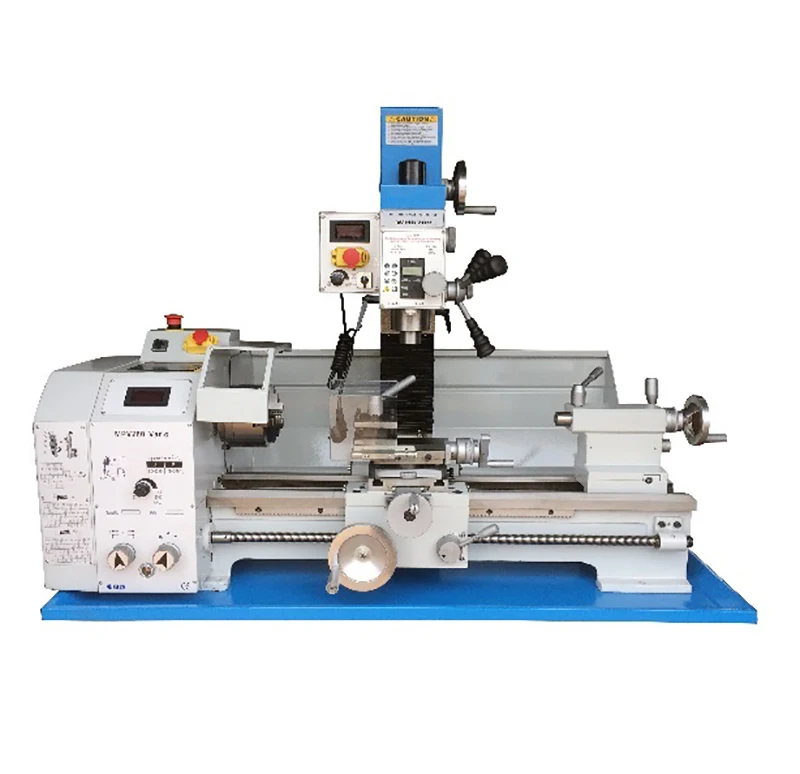
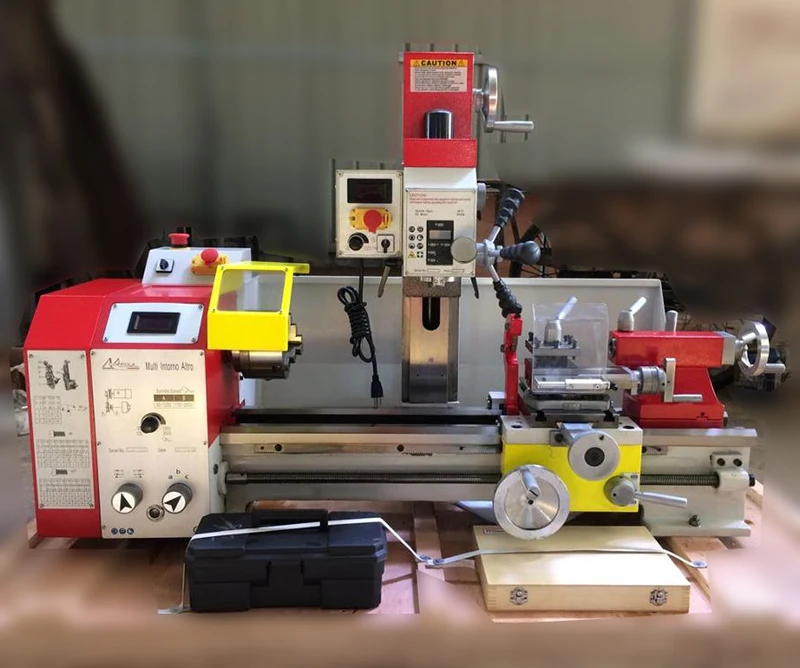
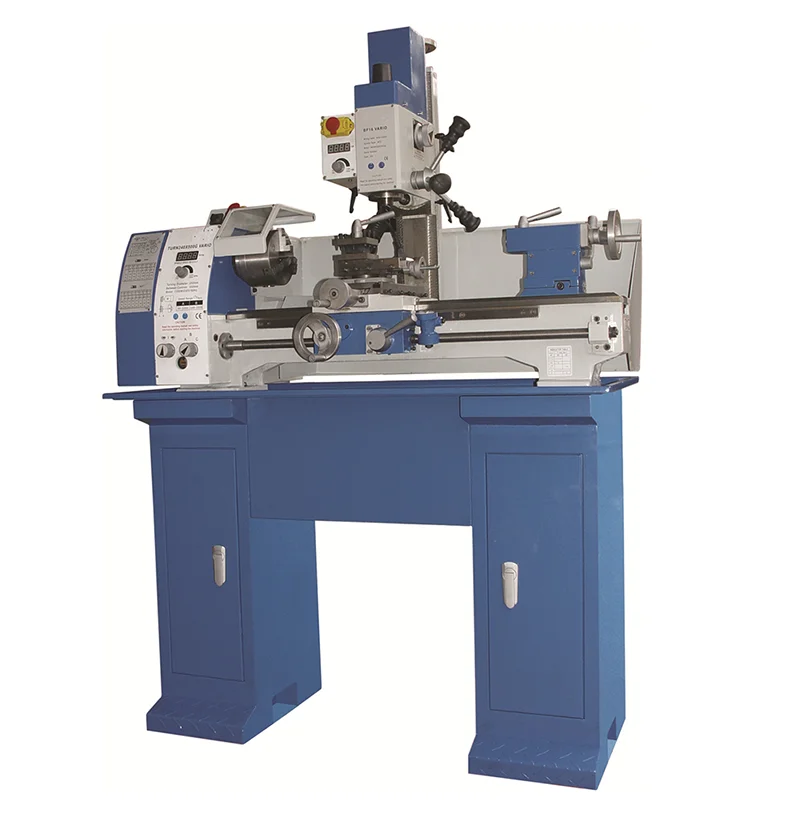
The TU280 Combination Variable Speed Lathe and Milling Machine brings turning, milling, drilling, and threading functions together It is intended for users who need to move between cylindrical work, drilled features, and basic milling operations without placing each job on a separate machine. The supplied specification set identifies a 700 mm distance between centers, a 280 mm swing over the bed, and a 170 mm swing over the cross slide.
This is a specification-led choice rather than a claim that one machine suits every process. A TU280 Combination Variable Speed Lathe and Milling Machine can be useful where flexible, varied work is more important than a dedicated high-volume production layout. If your work mainly involves smaller batches, repair work, prototypes, fixtures, or varied components, combining operations in one footprint can simplify planning. If a job requires capabilities beyond the listed dimensions, speeds, tooling interfaces, or workholding, confirm them with the supplier before purchase.


The published description lists turning, milling, drilling, and threading as the core functions of the TU280 Combination Variable Speed Lathe and Milling Machine. On the lathe side, the machine is specified for metric or imperial thread cutting, with a listed range of 8–56 TPI for inch threads and 0.2–3.5 mm for metric threads. Listed longitudinal feed is 0.085–0.832 mm per revolution, while cross feed is 0.07–0.40 mm per revolution. These are usable facts for evaluating the feed and threading ranges against a drawing or established shop process.
The lathe spindle has an MT4 taper, a 26 mm bore, and a variable speed range of 50–2500 rpm. The 1.1 kW main motor is a listed machine specification. Variable speed is valuable because workpiece material, diameter, tooling, and finish target affect the appropriate setting. Higher speed is not automatically a better choice: the relevant setting depends on the operation and tooling. For a machined parts manufacturer, it is sensible to compare the actual part mix, stock size, and expected tooling with the listed spindle bore, speed range, and between-centers capacity.
The milling and drilling head is identified as BF20. Its listed spindle taper is MT2, spindle travel is 52 mm, and variable speed range is 50–3000 rpm. The source also lists 380 mm as the maximum distance from spindle nose to table and 185 mm as the maximum distance from spindle to column. The milling motor is listed at 850 W. These figures are presented here as reference specifications, not as a promise of output, finish, or material-removal rate.
| Item | Listed TU280 specification |
|---|---|
| Distance between centers | 700 mm |
| Swing over bed | 280 mm |
| Swing over cross slide | 170 mm |
| Lathe spindle taper / bore | MT4 / 26 mm |
| Lathe variable speed | 50–2500 rpm |
| Lathe motor | 1.1 kW |
| Milling head | BF20 |
| Milling spindle taper / travel | MT2 / 52 mm |
| Milling variable speed | 50–3000 rpm |
| Milling motor | 850 W |
| Net weight | 248 kg |
Bed width is listed as 180 mm. Top-slide travel is 65 mm, cross-slide travel is 180 mm, and tailstock-quill travel is 75 mm. The tailstock-quill taper is MT2. Before selecting a TU280 Combination Variable Speed Lathe and Milling Machine for a particular part, check these travel and taper values against the fixture, drill chuck, cutting tools, and workpiece setup you plan to use. Paper specifications are helpful, but workholding and tooling compatibility should be checked before an order is finalized.
The original description says the machine is suitable for processing metal, wood, and other materials. Material suitability in practice still depends on workpiece form, cutter selection, speeds, feeds, workholding, and operator method. That distinction matters: a broad materials statement is not a substitute for validating a specific operation. For example, a buyer comparing a minitech mini mill or a small horizontal mill should compare the actual machine type, spindle arrangement, capacity, and required operations instead of treating those search terms as equivalent products.
A TU280 Combination Variable Speed Lathe and Milling Machine may fit a workshop that needs general turning plus supplementary drilling and milling for varied, lower-volume work. It may also be relevant for maintenance departments, training environments, prototype work, and small shops where the ability to complete several basic processes on one machine is useful. These are general application contexts, not guarantees of suitability for every material, tolerance, or production rate.
For a buyer with limited floor space, the compact multi-function approach can be worth assessing alongside the machine layout. The source lists a machine packing size of 137x850x1050 mm, a stand packing size of 800x580x415 mm, and a net weight of 248 kg; confirm the machine dimension entry and complete shipping configuration before arranging installation. Verify floor capacity, electrical supply, ventilation, lifting equipment, and access route. In particular, confirm local electrical requirements before commissioning, because voltage and connection details are not stated in the supplied material.
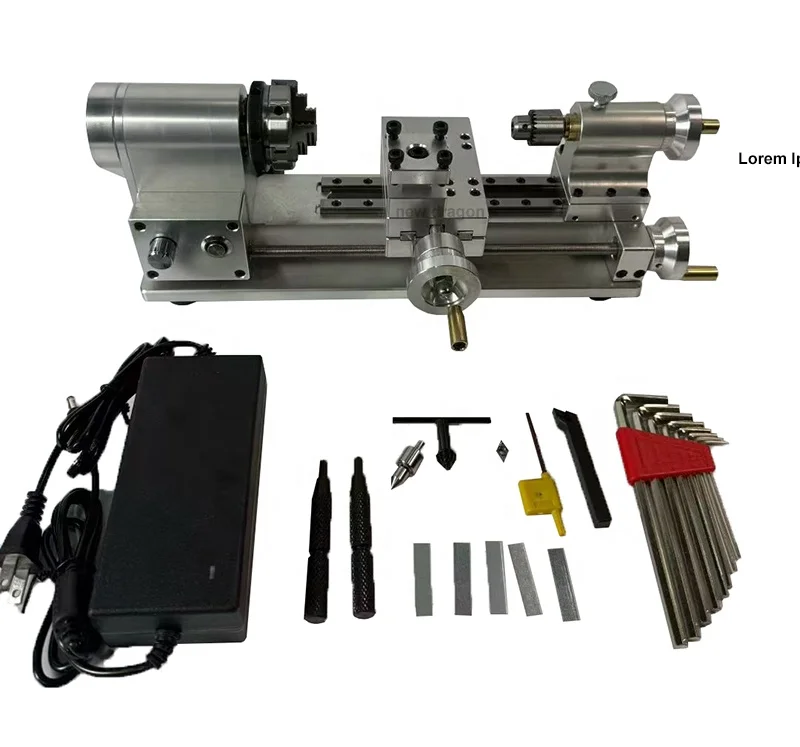
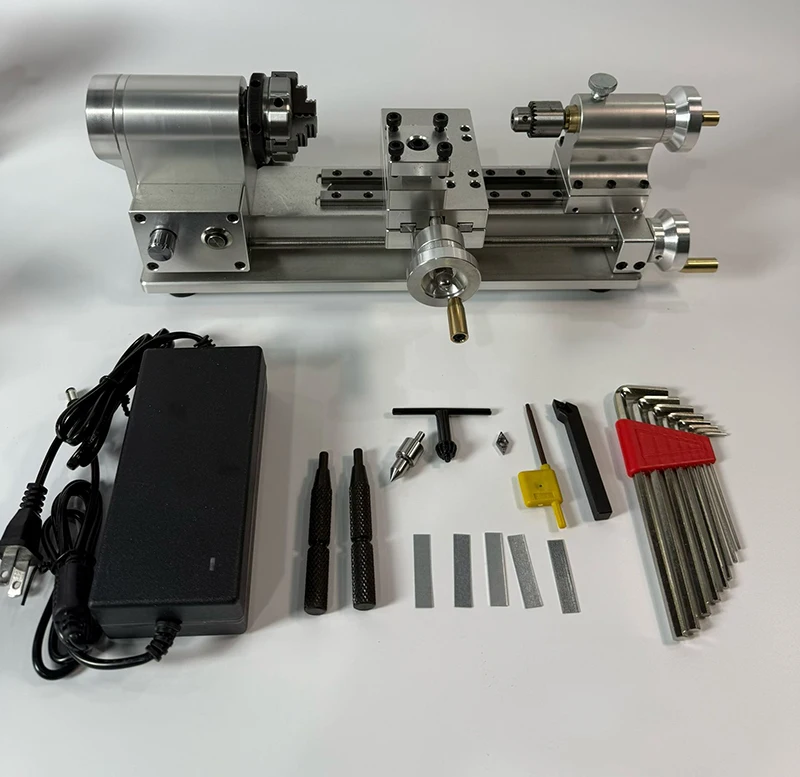
Choose the TU280 Combination Variable Speed Lathe and Milling Machine for the work it is specified to do, not for features you assume it has. Ask for confirmation of included standard accessories, since the source shows an accessories image but does not provide a reliable text list. Confirm available chucks, toolholders, fixtures, guards, electrical configuration, and any required documentation with the supplier. This fact-based check helps ensure that the selected machine, tooling, and installation plan align with the intended work.



 EN