xh7116-vmc215-mini-machine-center-mini-cnc-milling-machine-for-metal, xh7116-vmc215-mini-machine-center-mini-cnc-milling-machine-for-metal, /cnc-milling-machine
EN
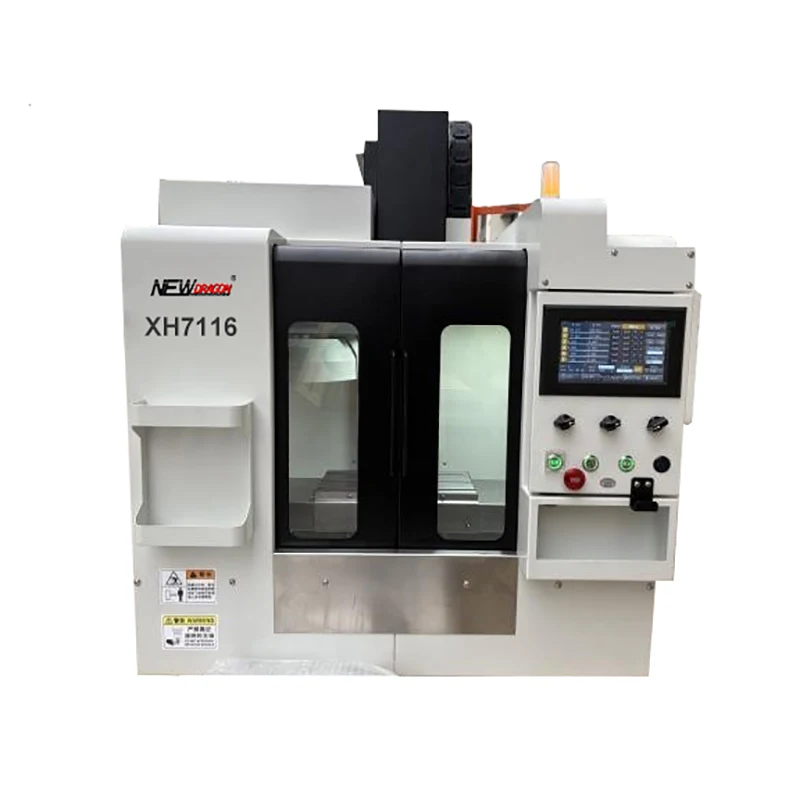
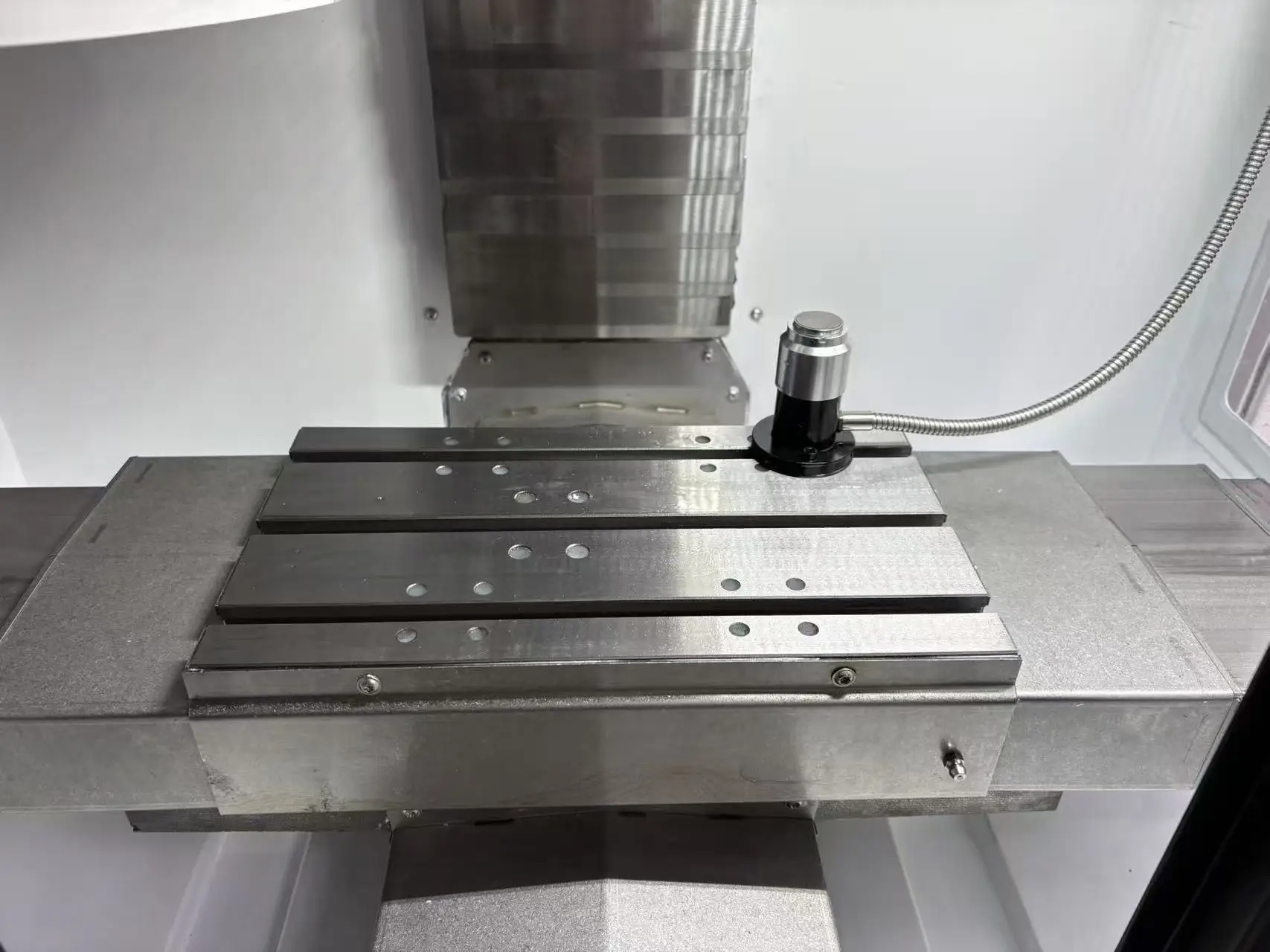
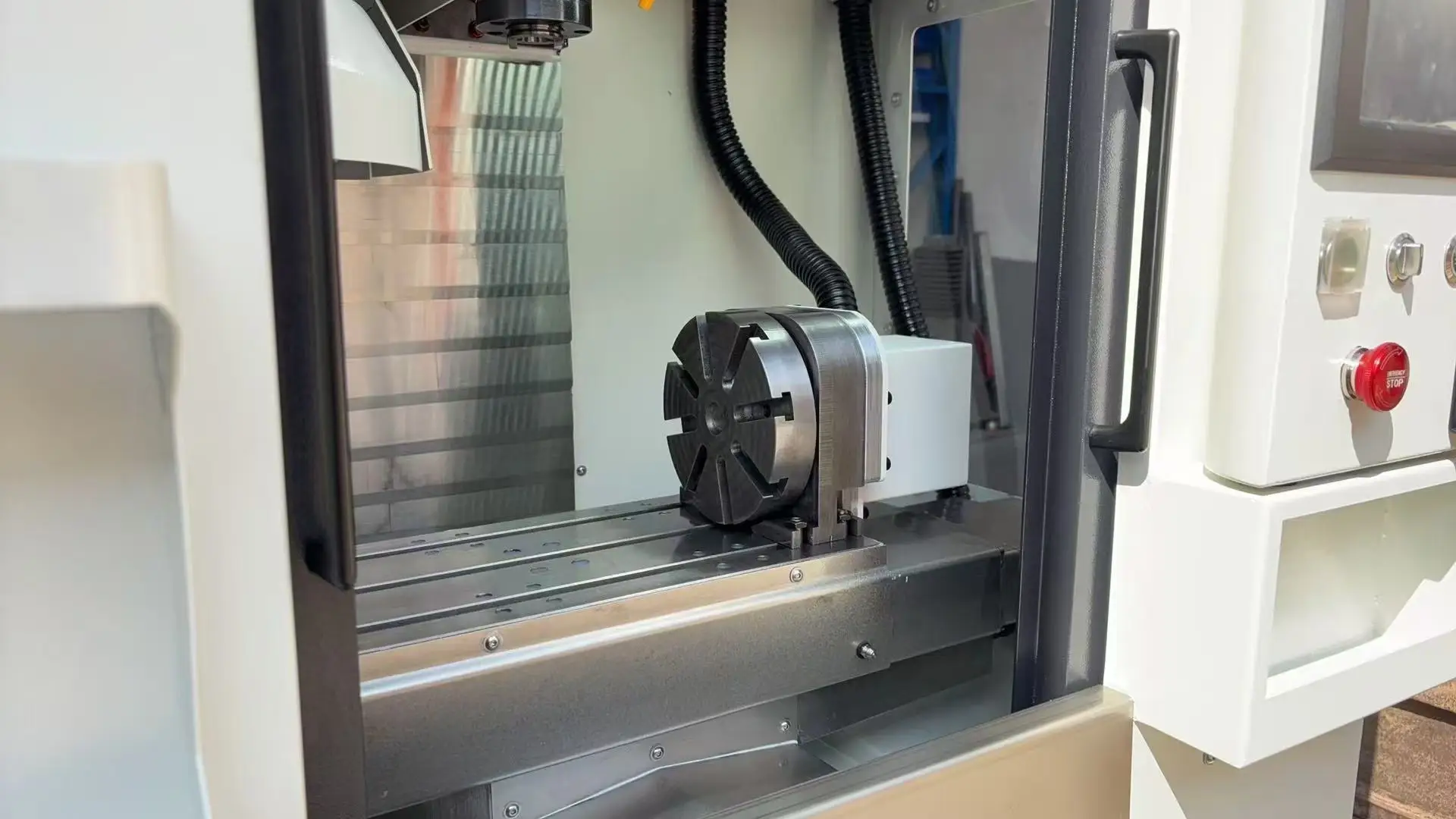
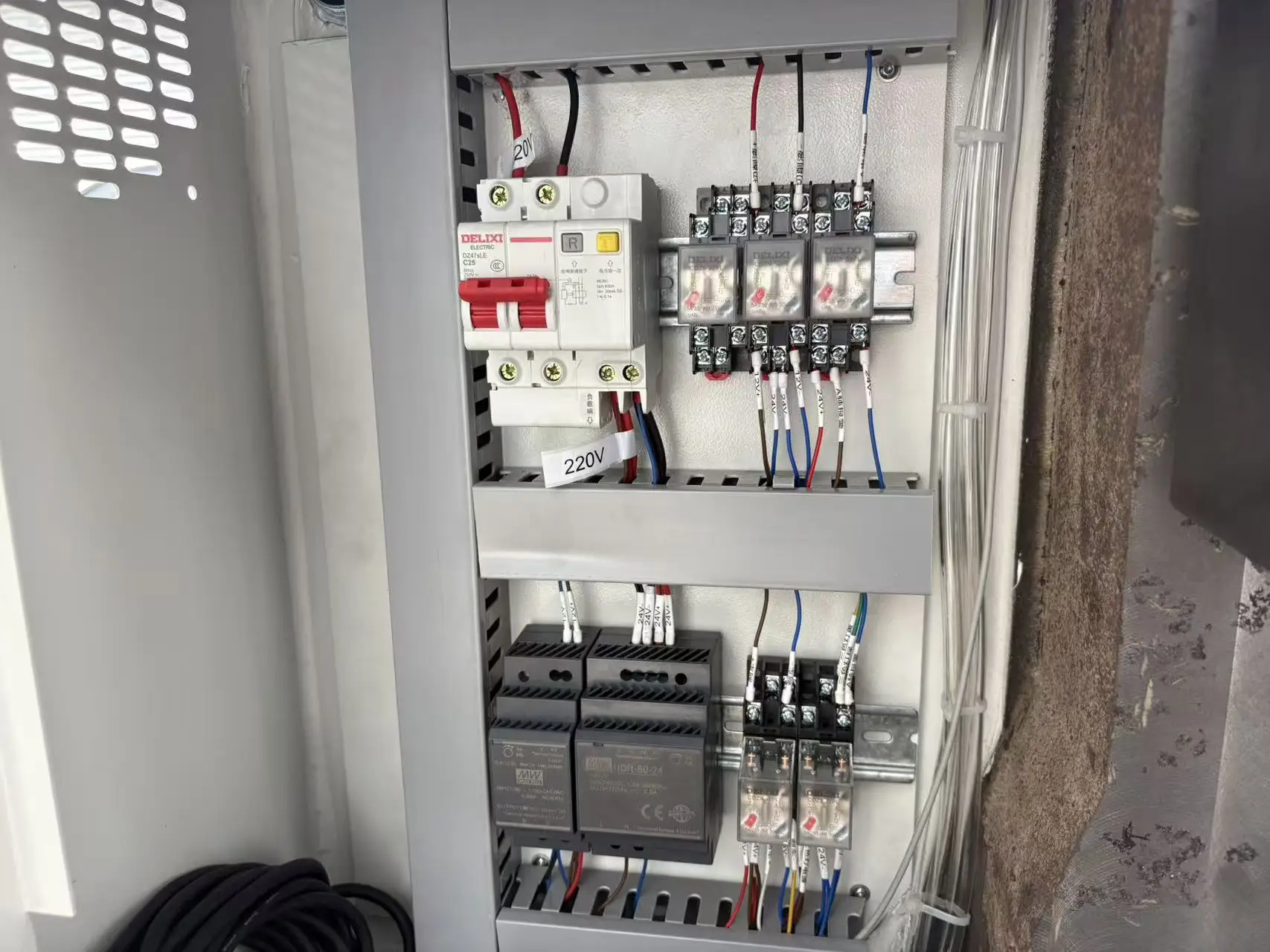
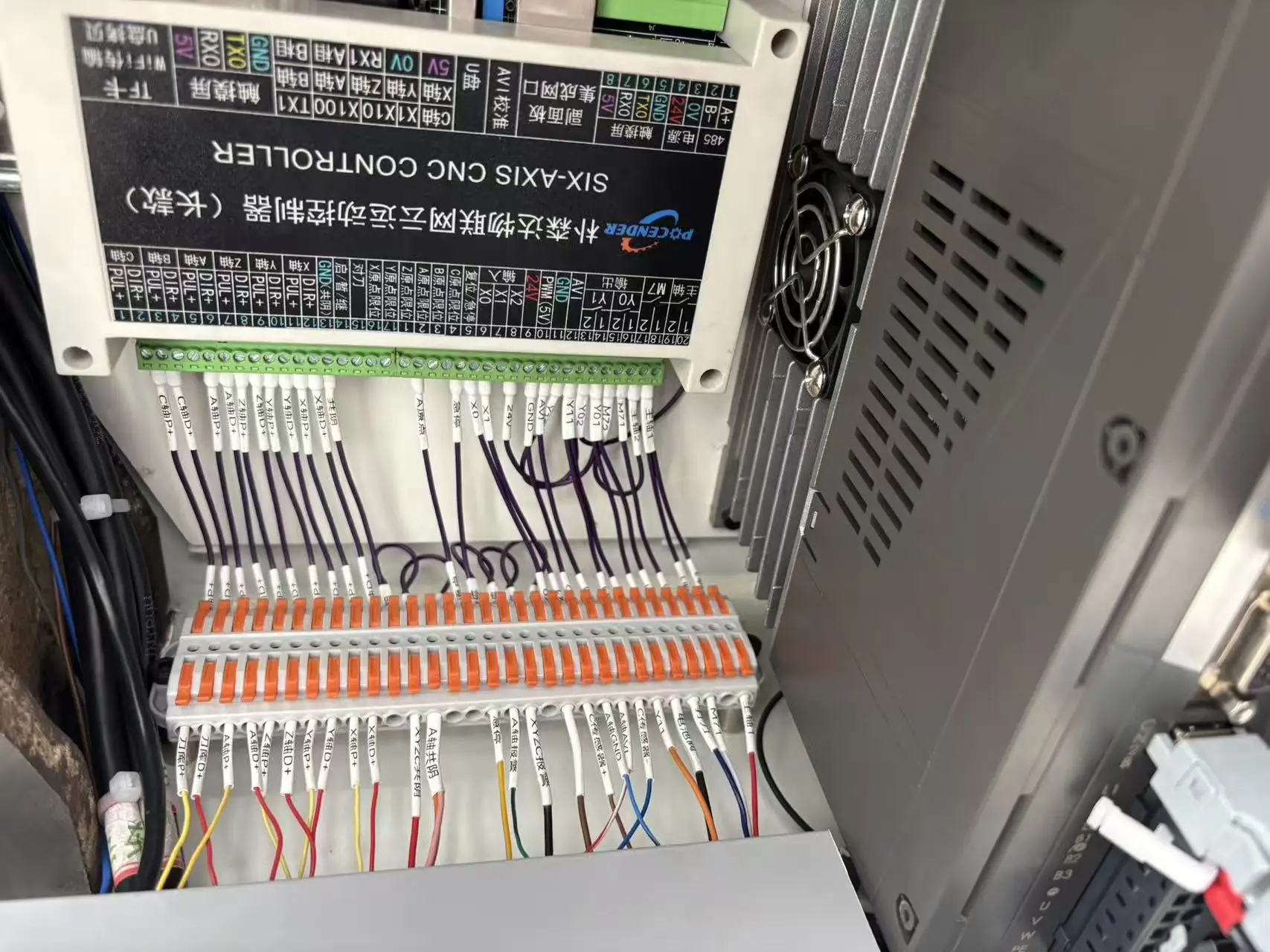
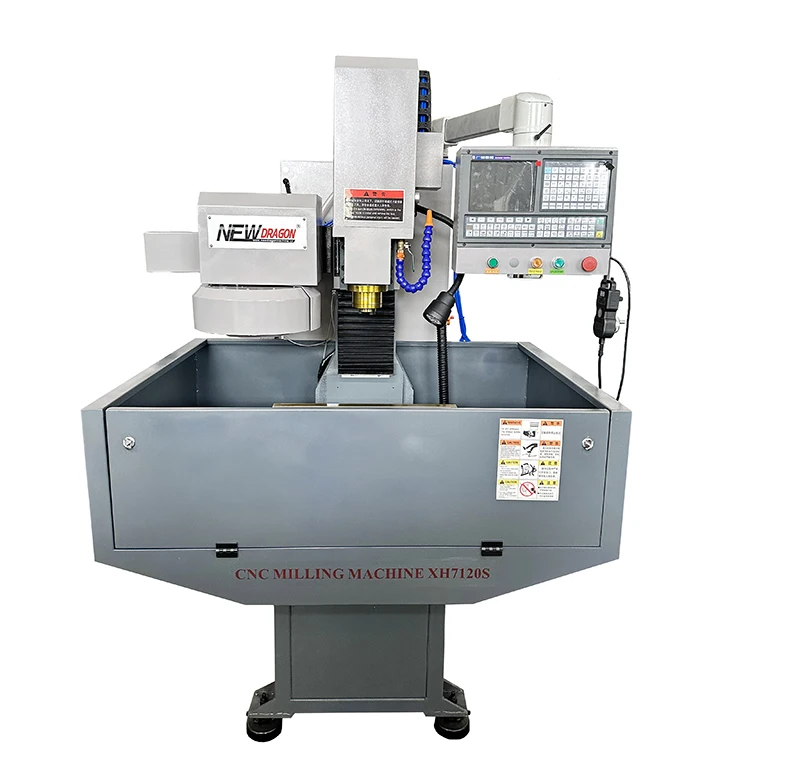
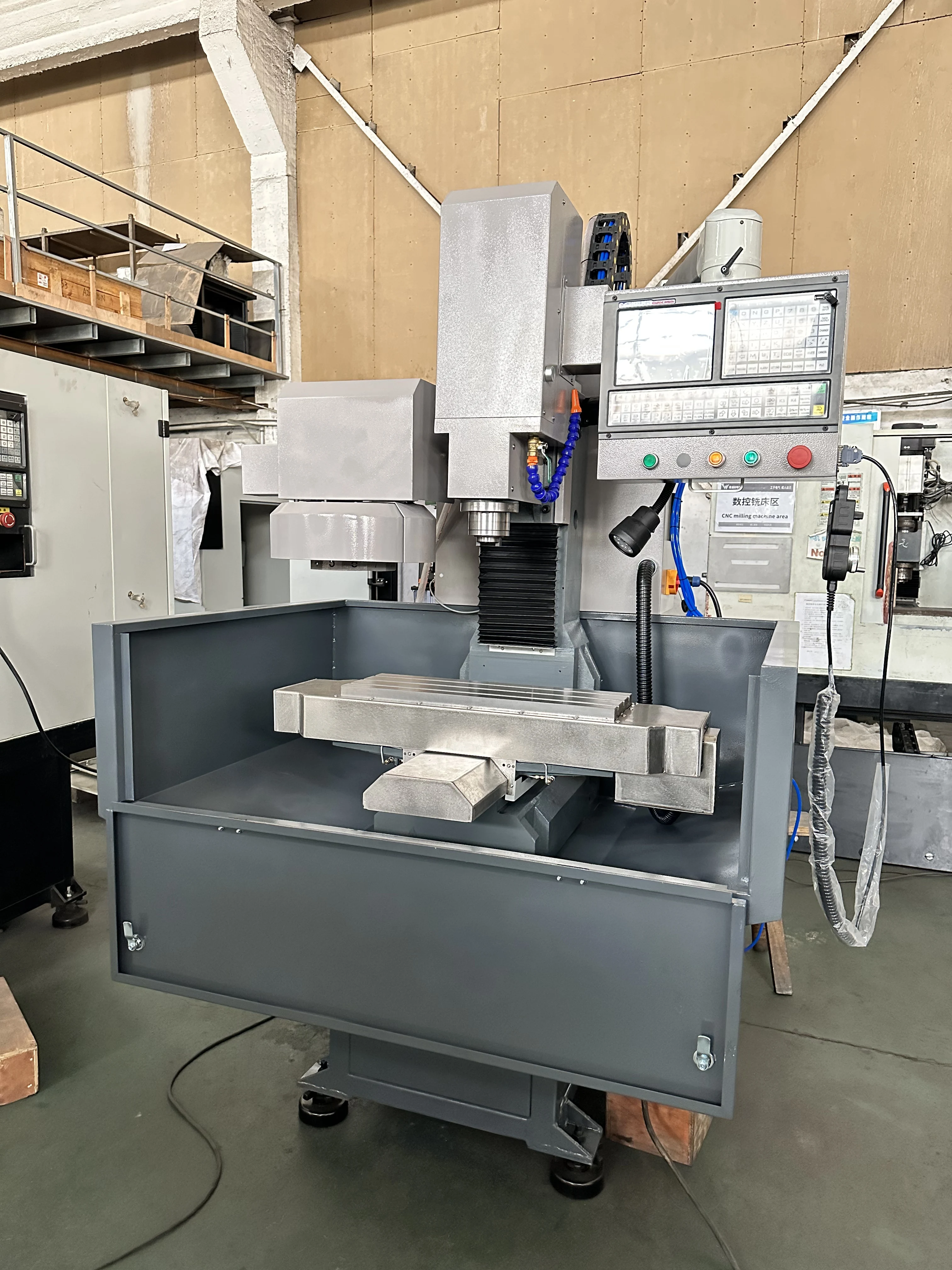
The XH7116 (VMC215) Mini Machine Center Mini CNC Milling Machine for Metal is presented as a compact machining center for workshops that need a controlled platform for small, complex metal components. Its original product material describes automatic, continuous processing across milling, drilling, boring, reaming, tapping, countersinking, and thread milling. This makes the machine a practical starting point for teams reviewing one platform for several common machining operations rather than a single-purpose tool.
For an engineer or production planner, the useful question is not simply whether a machine is called “mini.” It is whether the travel, tooling, workholding, electrical supply, operator capability, and intended part geometry fit the job. The available product information supports a careful discussion of structure and motion components, while final configuration, site requirements, and performance acceptance should be confirmed with the supplier before purchase.
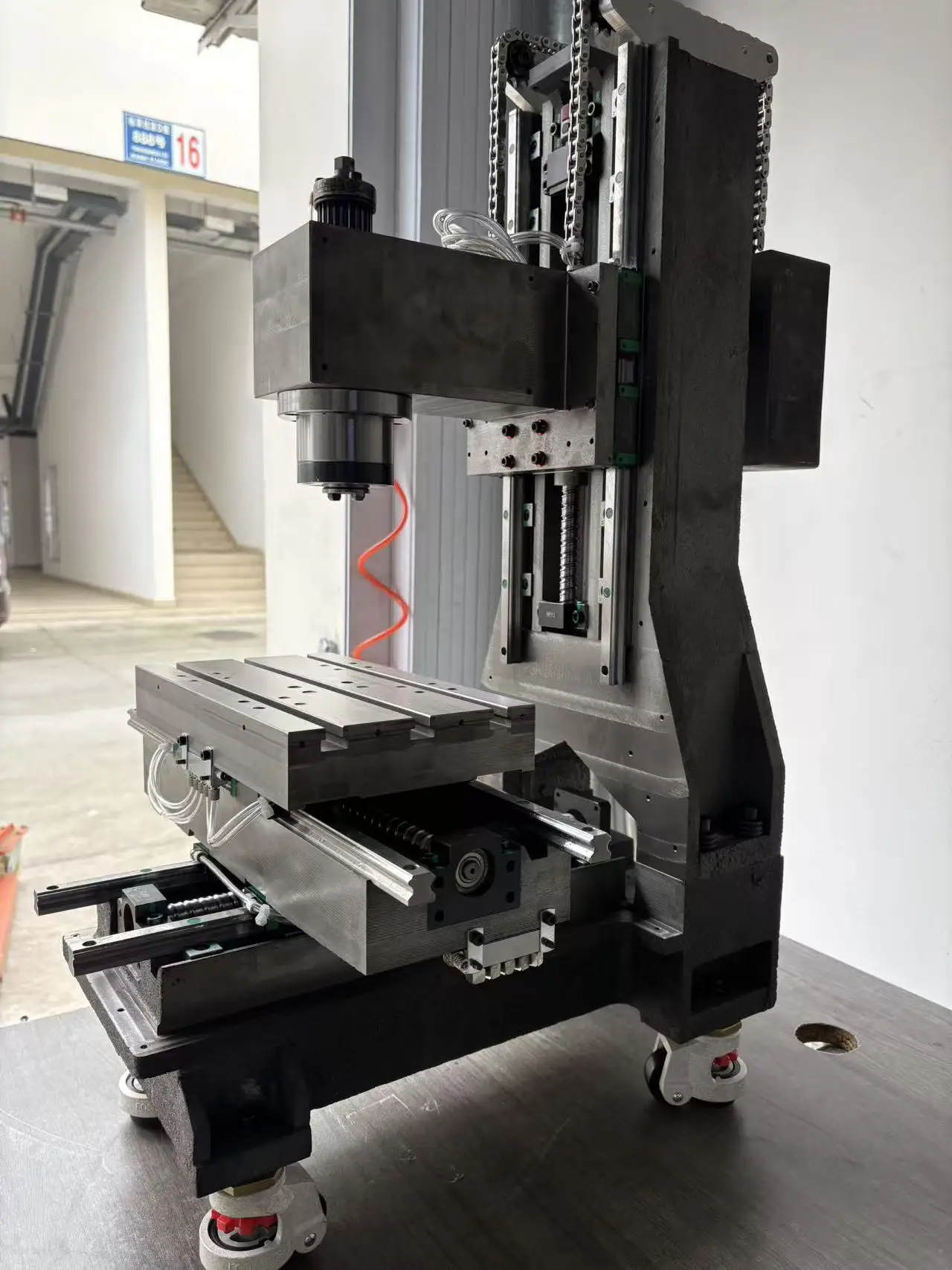
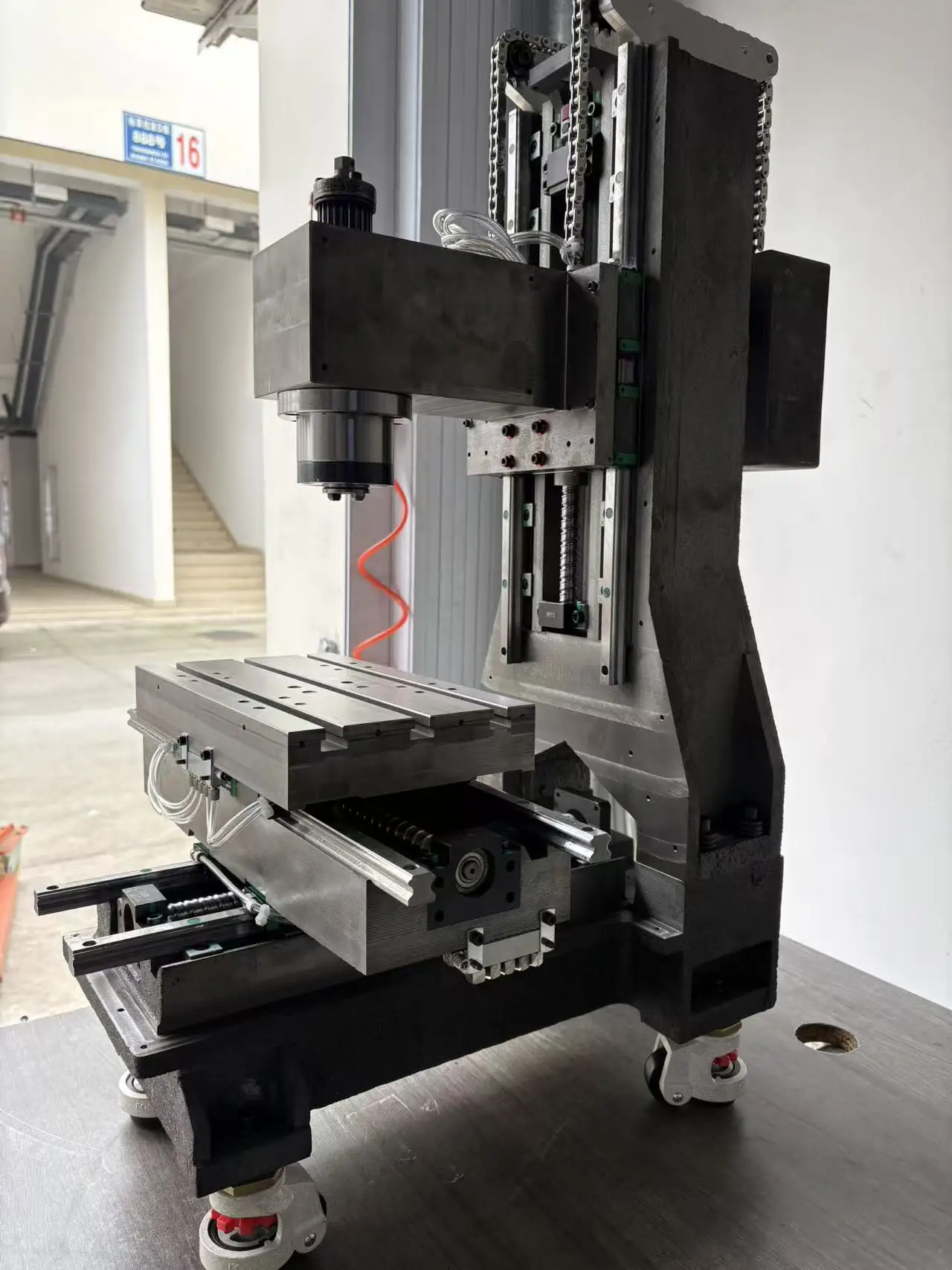
The product description identifies an HT250 cast machine body with a single tempering treatment. It also describes a low-center-of-gravity layout, a wide base span, and wide guideway spans. These design points matter because the foundation of a machine tool affects how buyers plan workholding, part loading, and process stability. The enclosed digital-control layout is intended to support an organized machining environment.
All three axes are described as using high-precision ball screw drives with servo motors directly coupled to the screws. The stated purpose is precise positioning and quick response. The source also describes linear ball guides on all three axes, with low friction resistance and lubrication for moving parts. These are product features, not a substitute for a process trial: fixture rigidity, cutting tool selection, material condition, and shop environment still influence finished work.
The original description specifically positions the equipment for small parts with complex shapes. In a prototyping workflow, a team may use the XH7116 (VMC215) Mini Machine Center Mini CNC Milling Machine for Metal to review how machining sequences such as drilling, tapping, and milling can be organized on one machine. A small CNC machine can also be considered when floor space and part scale are relevant planning factors, provided that the actual work envelope and load requirements are confirmed.
For production work, buyers should map each part family to the confirmed machine configuration. For example, a shop can compare tool access, fixture design, required tolerances, and planned batch size before deciding whether the platform is appropriate. Large part CNC machining is not claimed for this compact model; buyers with that requirement should verify capacity and select equipment according to actual part dimensions and mass.
Paper specifications are valuable, but they should be checked against the intended process. Ask for the applicable configuration, machine dimensions, electrical requirements, control details, tooling interface, and acceptance procedure. If the project involves high-precision work, review the complete process chain: foundation condition, clamping method, cutting strategy, coolant practice, and operator training. A higher spindle speed is not automatically the better choice; the useful choice depends on material, tooling, chip load, and the desired finish.
For a prototyping CNC milling machine evaluation, share drawings, material type, sample parts, and expected production rhythm with the supplier. That discussion helps distinguish general machine features from a verified application recommendation. It also gives buyers a clearer basis for comparing options without assuming specifications that are not listed in the current product material.
The combination of a cast structure, servo-driven ball screws, linear guides, enclosure, and electric spindle gives the XH7116 (VMC215) Mini Machine Center Mini CNC Milling Machine for Metal a fact-based feature set for small, complex component work. Its advantage is not an unqualified promise of every application. Instead, it is a defined machine concept that buyers can assess against their own parts, fixtures, workflow, and commissioning plan. Contact the supplier to confirm the current configuration and suitability for your metalworking project.


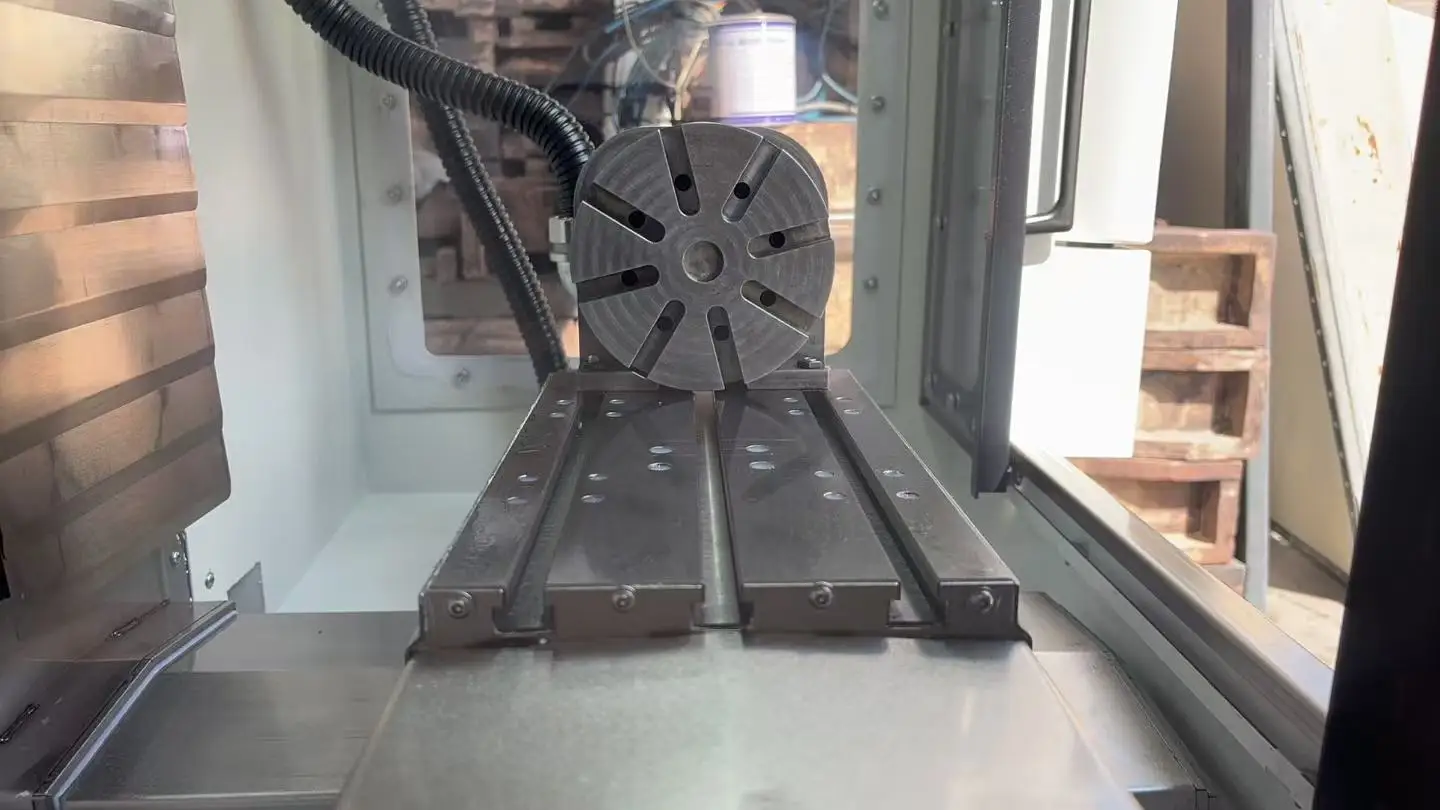
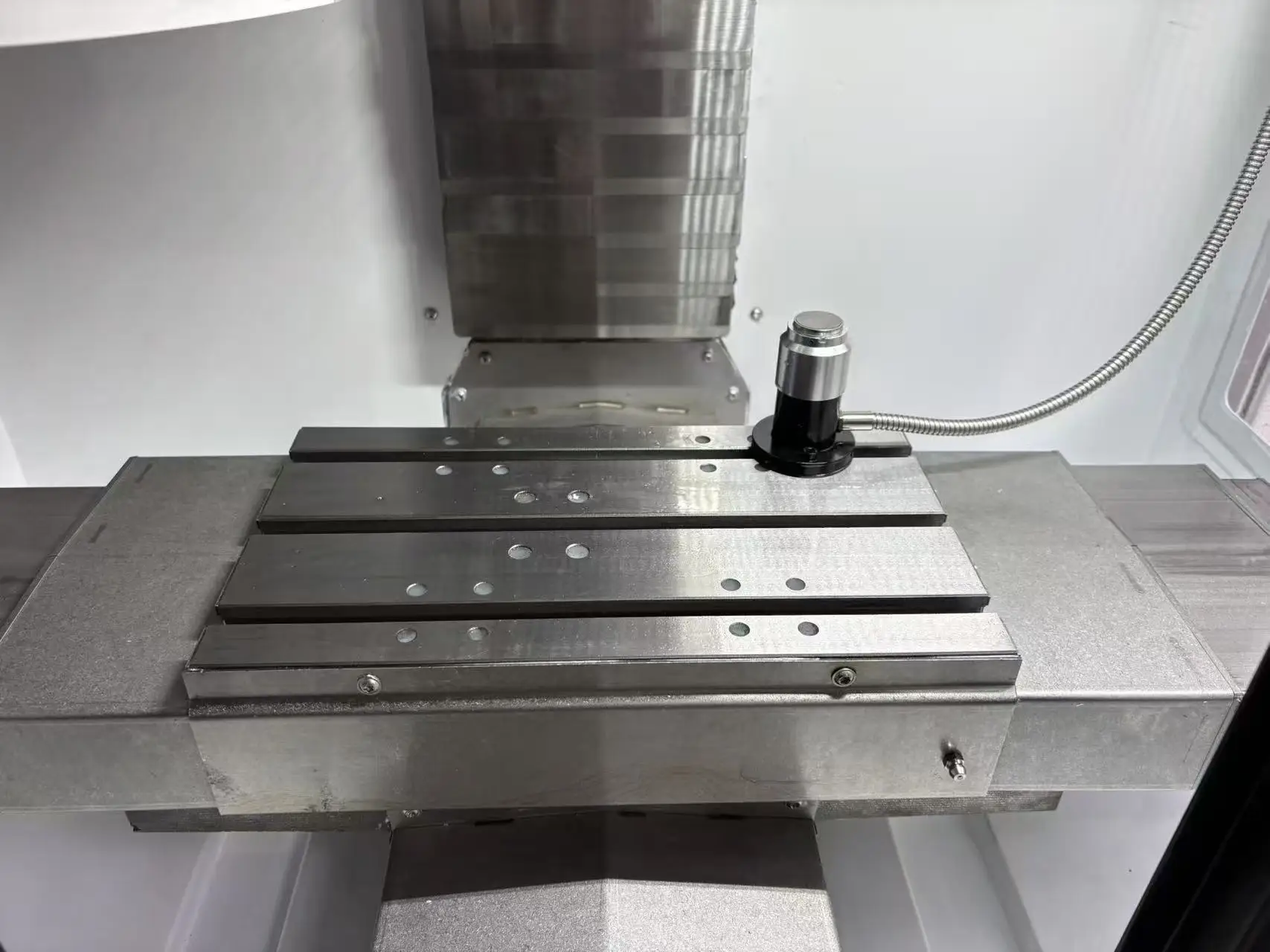
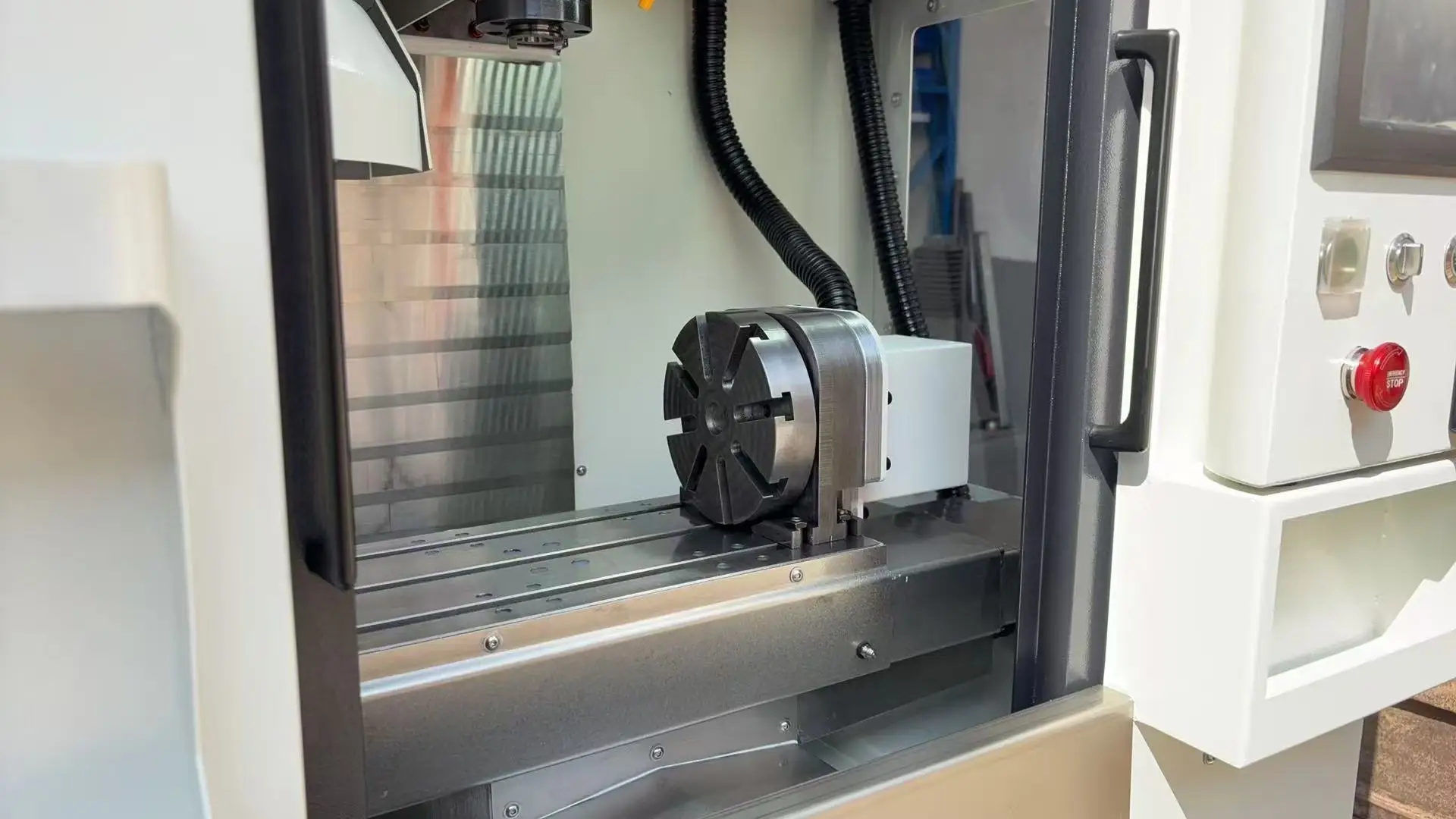


When reviewing the XH7116 (VMC215) Mini Machine Center Mini CNC Milling Machine for Metal, begin with the workpiece rather than with a general label. Identify the material, part size, number of faces, hole pattern, tolerance plan, fixture method, and expected lot size. Then ask the supplier to confirm the relevant machine configuration against that plan. This approach is especially useful for a prototyping CNC milling machine workflow, where one component may require several operations before the team decides how to scale production.
A production team can make its evaluation more practical by preparing a sample drawing and a short process sheet. List the milling, drilling, boring, reaming, tapping, countersinking, and thread-milling operations that the part requires. Note the planned tools and the clamping sequence. The XH7116 (VMC215) Mini Machine Center Mini CNC Milling Machine for Metal is described as capable of these operations, but a confirmed cycle study and a supplier discussion remain the appropriate way to verify a particular part.
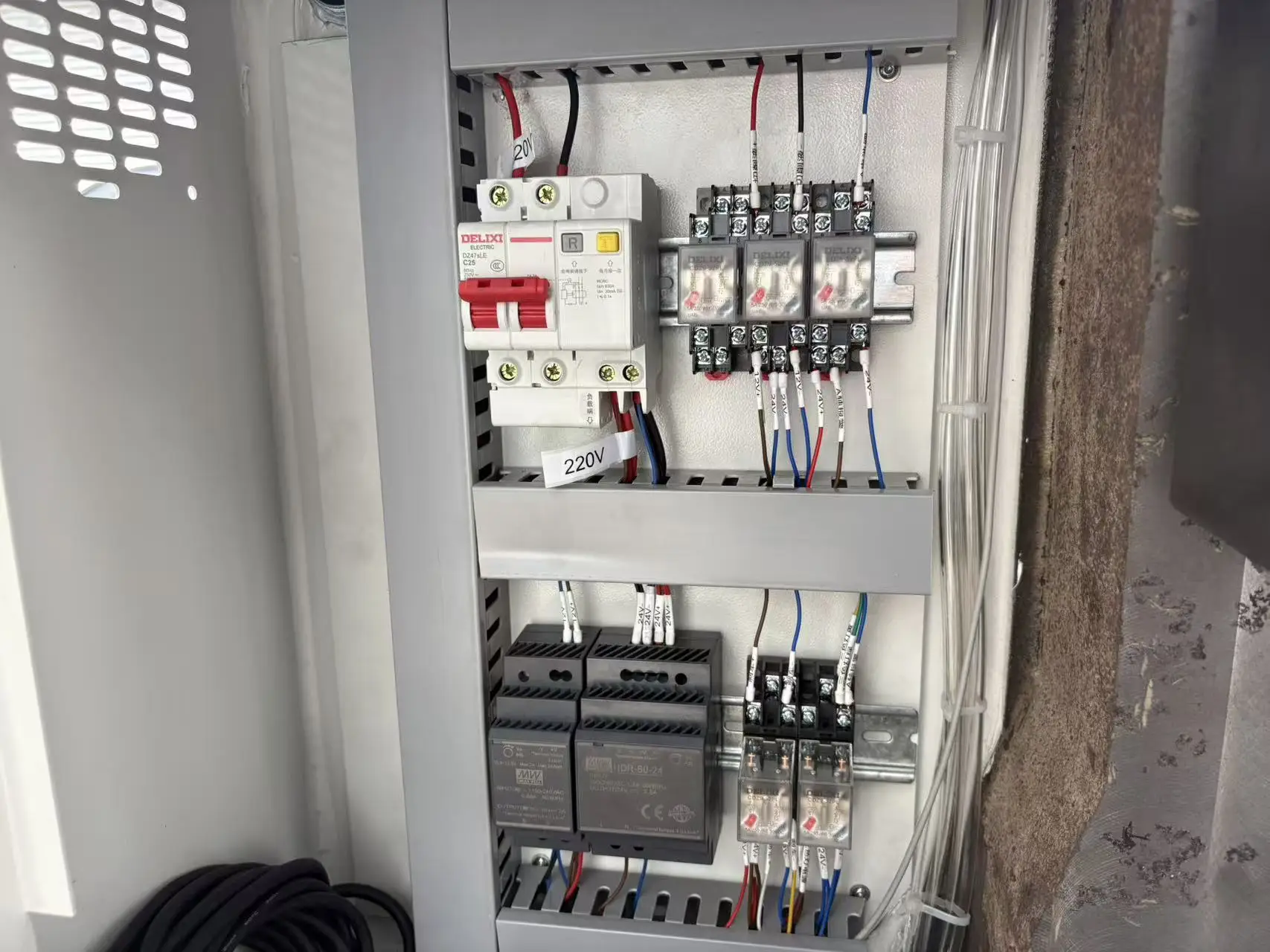
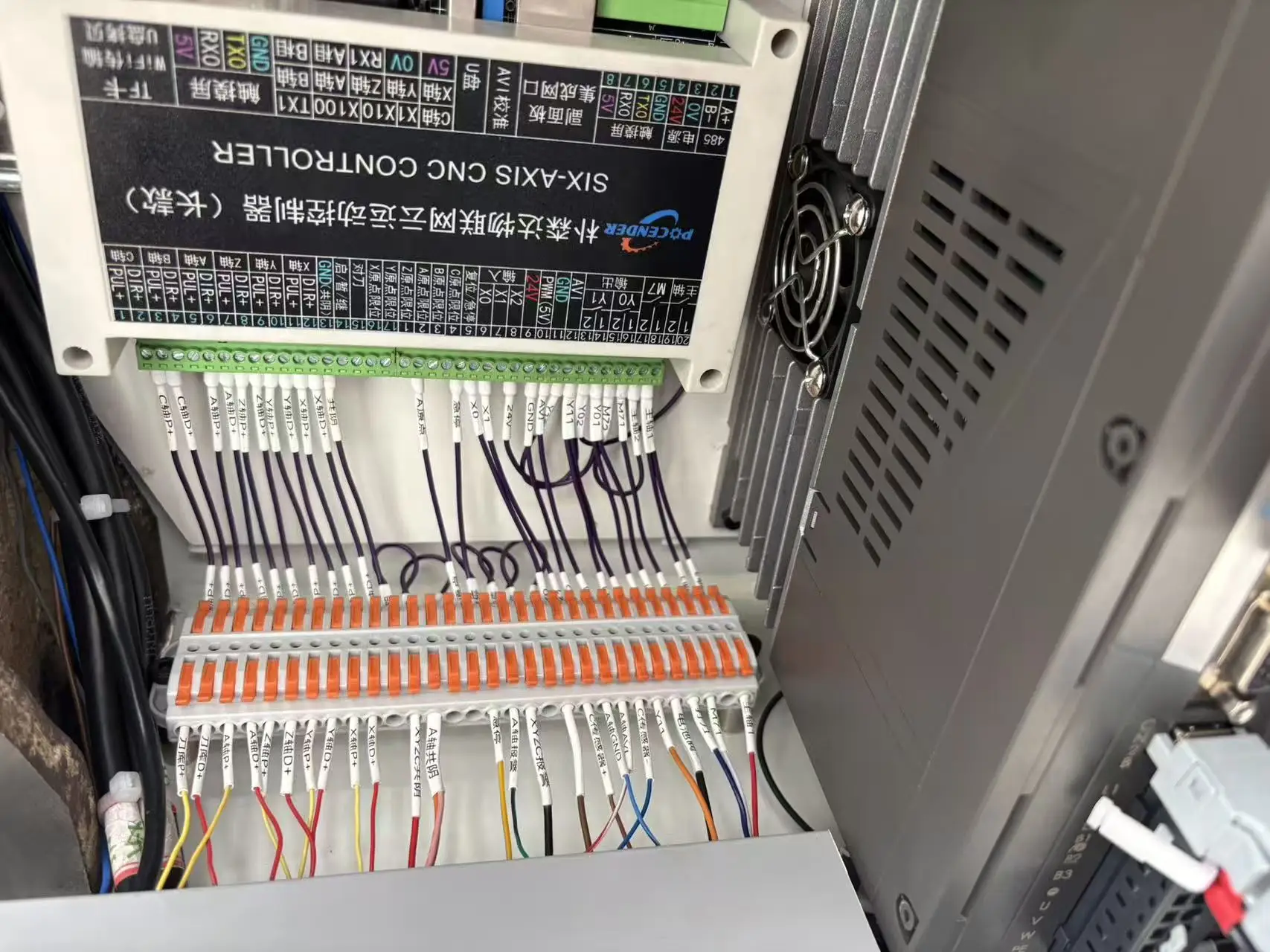
Installation conditions deserve the same attention as the machine itself. Before commissioning the XH7116 (VMC215) Mini Machine Center Mini CNC Milling Machine for Metal, verify the floor, electrical arrangement, access route, enclosure clearance, and maintenance space. The current material does not state site dimensions, power configuration, or optional equipment. Those items should be treated as confirmation points, not assumptions. A documented handover and operator familiarization plan can reduce avoidable uncertainty during startup.
Buyers sometimes compare a small CNC machine only by advertised spindle speed or by the number of control functions. That comparison can miss the process factors that shape results. For the XH7116 (VMC215) Mini Machine Center Mini CNC Milling Machine for Metal, consider the casting structure, servo and ball-screw arrangement, guideway design, expected tooling, and support plan as one system. A machine should be selected for the parts it can be validated to make, not for a list of features considered in isolation.
If a quotation includes options, request a clear written configuration list. It should separate standard equipment from options and state what is included for control, tooling, electrical connection, coolant, installation, and training. For buyers considering brake lathe machine for sale searches, that phrase describes a different machine category and should not be taken as a capability claim for this milling center. Confirm the intended process before comparing any machine family.
The XH7116 (VMC215) Mini Machine Center Mini CNC Milling Machine for Metal can therefore be assessed as a compact, enclosed CNC machining platform with stated cast construction, servo-driven axes, linear guides, and an electric spindle. Its final suitability depends on documented configuration and test evidence for the purchaser’s actual metal part. This careful review creates a clearer purchasing decision and a better basis for commissioning, whether the project is an initial prototype or a repeat small-part program.
The XH7116 (VMC215) Mini Machine Center Mini CNC Milling Machine for Metal should be reviewed against a real drawing, a documented fixture plan, and the supplier’s current configuration sheet. For the XH7116 (VMC215) Mini Machine Center Mini CNC Milling Machine for Metal, request an application discussion before assigning a tolerance, output rate, or material result. The XH7116 (VMC215) Mini Machine Center Mini CNC Milling Machine for Metal is most responsibly selected after that confirmation.

 EN